







డైలాగ్ వార్ : నార తీస్తామంటే నడవదు | Deputy CM Pawan Kalyan Vs Botsa Satyanarayana
Recent Random Post:
Varanasi Sparks Hero vs Director Credit Debate Ahead of Release
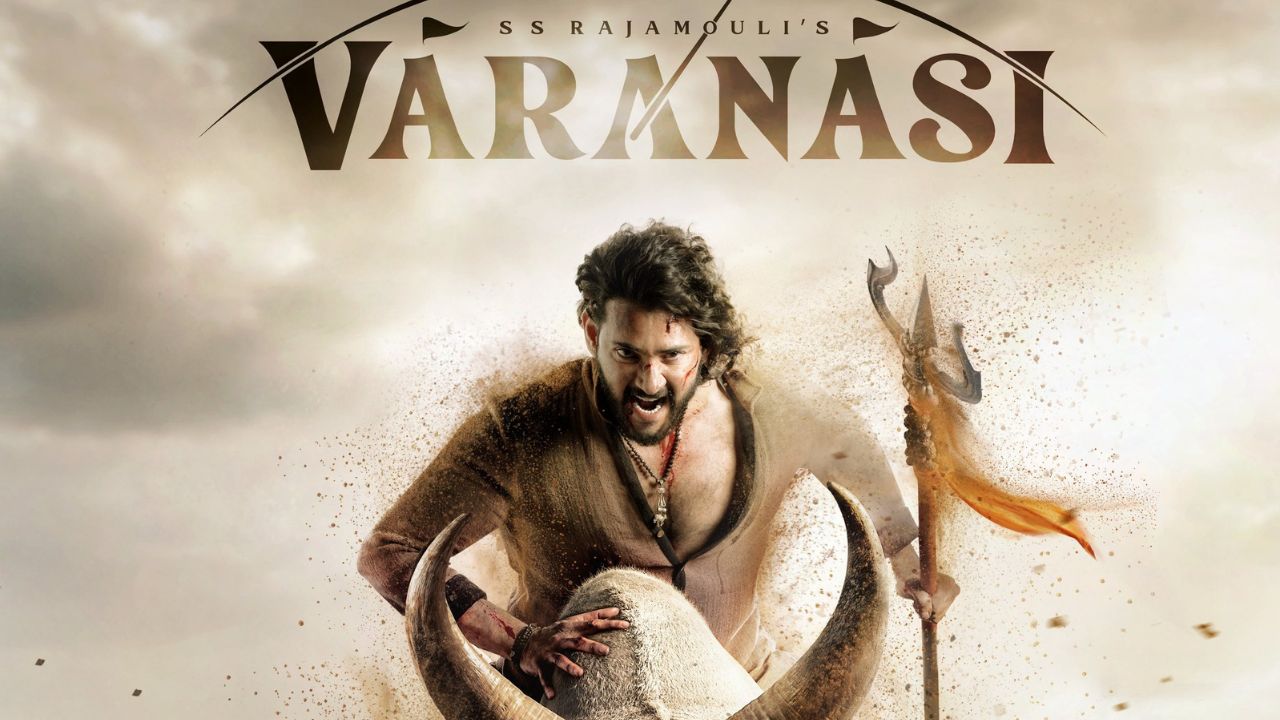
The upcoming big-budget film Varanasi, featuring Mahesh Babu and directed by S. S. Rajamouli, has already become a major talking point on social media even before its release.
Soon after the announcement, fans began a debate over credit attribution, with one section referring to the project as #SSMB29 while another group promotes it as #SSR13. The discussion around whether the film belongs more to the hero or the director has been trending intermittently, reigniting again in recent days.
Amid this ongoing debate, producer Shobu Yarlagadda shared a thoughtful post discussing how credit in cinema is generally perceived. Without directly mentioning Varanasi, he highlighted that filmmaking is primarily driven by the director’s vision, making them central to how a film is shaped and presented.
He explained that cinema is a collaborative art form, but the director plays a key role in defining the storytelling, visual style, and emotional impact. This is why films are often identified by their directors, with the “Directed by” credit carrying significant importance in the industry.
Although he did not name the film directly, many believe his remarks were aimed at calming the ongoing fan debate surrounding Varanasi. His statement appears to have eased tensions on social media to some extent.
Meanwhile, both S. S. Rajamouli and Mahesh Babu remain focused on the project, prioritizing its scale and quality. The team is committed to delivering a global-standard cinematic experience, aiming to take Telugu cinema to an even wider international audience.