

సారీ మమ్మీ అత్తింటి టార్చర్పై డాక్టర్ సెల్ఫీ వీడియో LIVE: Hyderabad Lady Doctor Incident
Recent Random Post:
Prabhas–Sandeep Reddy Vanga’s ‘Spirit’ Locked for March 2027 Release
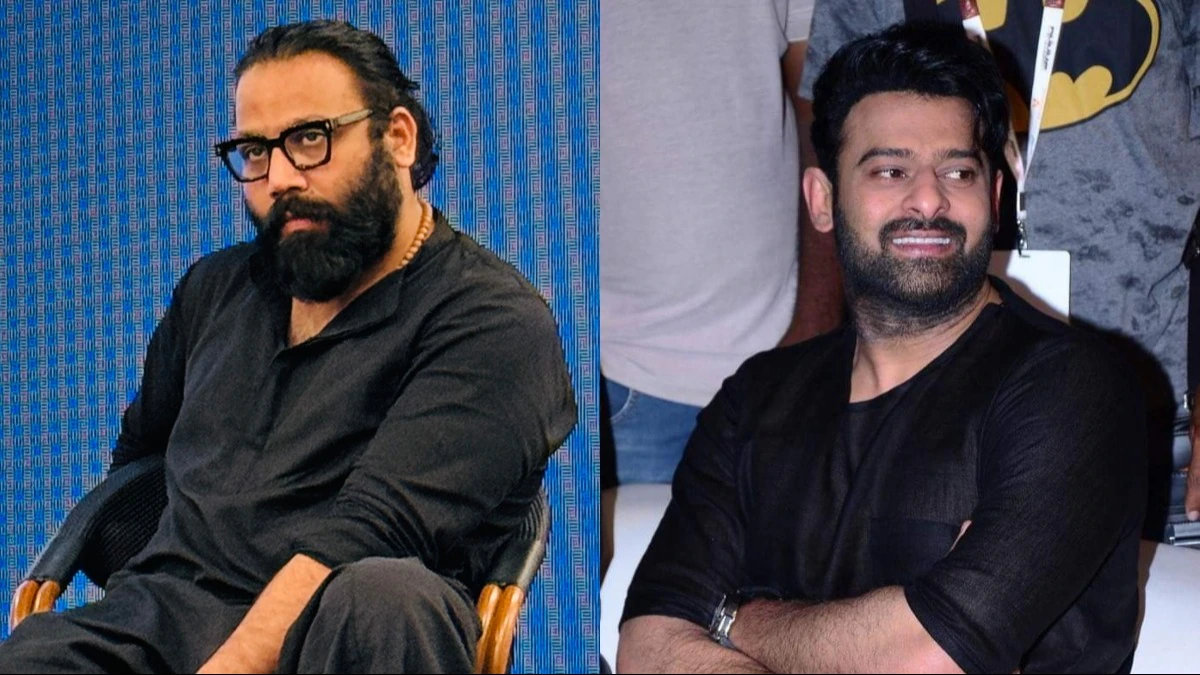
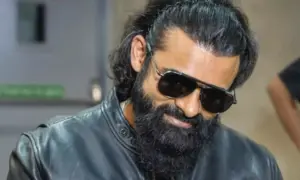
After delivering a sensational blockbuster like Animal with Ranbir Kapoor, director Sandeep Reddy Vanga is now working on an even more intense action drama titled Spirit. The film stars pan-India superstar Prabhas in the lead role and is being mounted on a massive scale by Bhushan Kumar of T-Series in association with Pranay Reddy Vanga.
Tripti Dimri, who gained recognition through Animal, plays the female lead, while the film also features key roles by Kanchana, Vivek Oberoi, Prakash Raj, and Aishwarya Deasi.
The first look and dialogue glimpse released so far have already raised expectations significantly. Even as the film is still in production, the makers have surprised everyone by locking the release date. Spirit is officially scheduled for a grand worldwide release on March 5, 2027.
In this film, Prabhas will be seen playing a powerful police officer for the first time. The story reportedly revolves around the drug mafia, presented in Sandeep Reddy Vanga’s signature intense and emotional style. The film is expected to showcase Prabhas in a completely new avatar, both in terms of characterization and makeover.
The project is being planned for a massive multilingual and international release across Telugu, Hindi, Tamil, Kannada, Malayalam, and several global languages, aiming for wide-reaching appeal. Prabhas is currently managing a busy schedule, simultaneously working on Fauji, Kalki 2, and Spirit, making his calendar extremely packed. He recently took a short break for a summer vacation in Italy before resuming shoots.
Producer Bhushan Kumar has already begun building early buzz for the film, even while it is still in production. In a recent podcast, he praised Sandeep Reddy Vanga and his team, highlighting their dedication and lack of ego. He mentioned that both the director and his team are completely focused on delivering a great cinematic experience.
He also revealed that he has already seen some portions of the film and described Spirit as another remarkable project from Vanga. Calling it a cop-based emotional action drama, he praised its unique presentation style, strong music, and powerful background score. According to him, Spirit is shaping up to be another major cinematic event, and he is eagerly waiting for its release.