









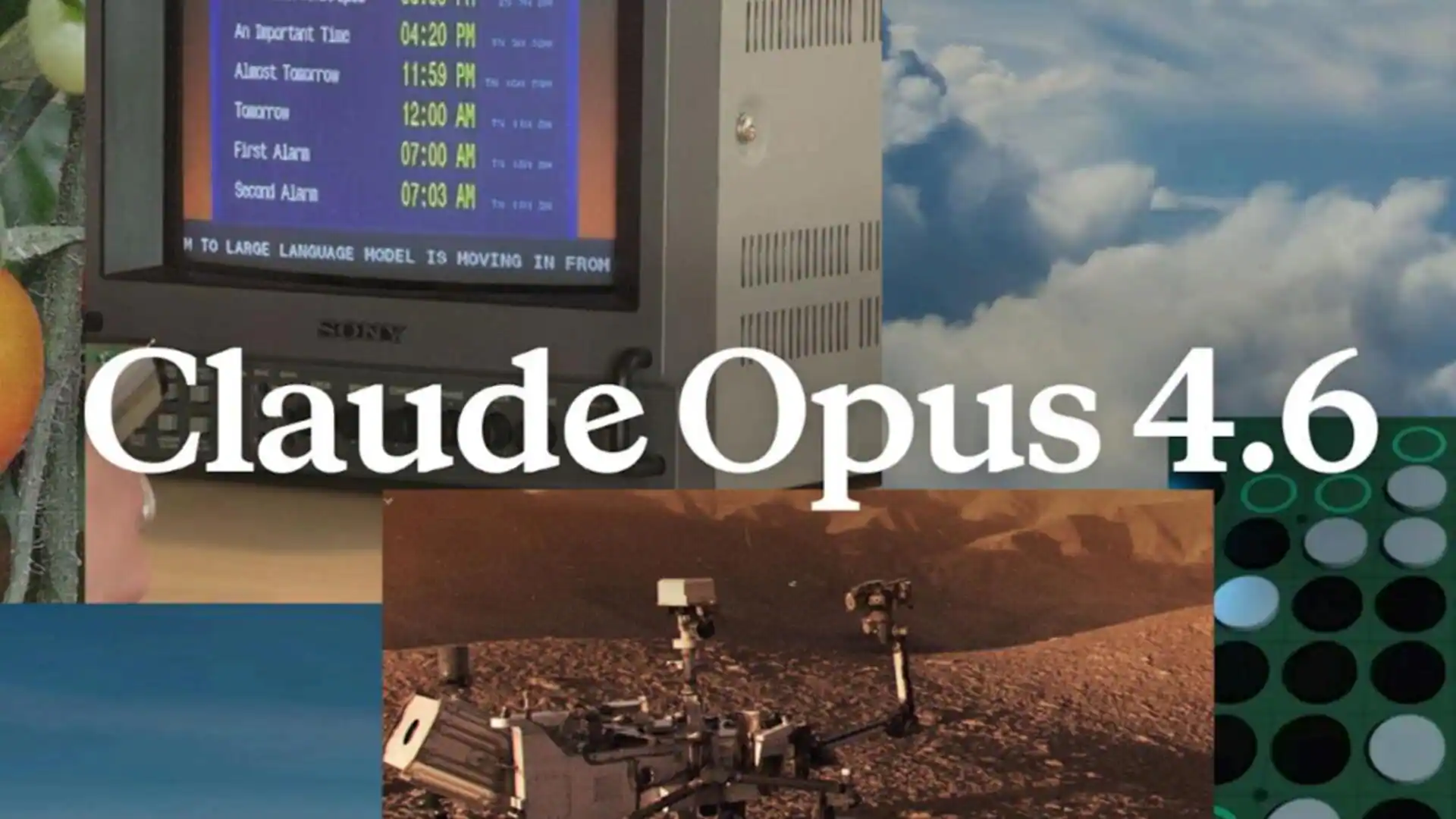
AI startup Anthropic is making waves in the tech industry with a series of launches, including Cowork, AI agents, and now its latest model, Claude Opus 4.6. Just two months after releasing Opus 4.5, the company has rolled out Opus 4.6, which it positions as its most advanced model for coding to date.
Claude Opus 4.6 reportedly outperforms its predecessor in coding abilities, handling longer, multi-step tasks with improved debugging and reduced errors. The model features a beta 1-million-token context window for greater reliability. Beyond coding, Opus 4.6 can perform everyday tasks such as analysing financial reports, conducting research, and generating documents, spreadsheets, and presentations. It is integrated with Cowork, enabling multitasking across workflows.
The model is designed to work better in teams and manage complex, long-term tasks. With Claude Code, users can deploy multiple Claude agents for specialized tasks like coding, reviewing, and testing. New capabilities include adaptive thinking, PowerPoint integration, and intelligent summarisation of completed work.
Early benchmark tests show Claude Opus 4.6 outperforming other frontier AI models. In agentic coding evaluation (Terminal-Bench 2.0), multidisciplinary reasoning, and knowledge work across finance and legal domains, Opus 4.6 scores higher than OpenAI’s GPT-5.2, Gemini 3 Pro, and Sonnet 4.5. In tests addressing “context rot”—performance decline over long conversations—Opus 4.6 also excels. On the MRCR v2 1M-token benchmark, it scored 76%, compared to Sonnet 4.5’s 18.5%.
Claude Opus 4.6 is available on claude.ai, via API, and across all major cloud platforms. Developers can access it through claude-opus-4-6 on the Claude API. Subscription pricing remains unchanged, starting at $5.
Recent Random Post: