

watch Bandla Ganesh Absconding | బండ్ల గణేష్ కోసం పోలీసుల గాలింపు
Recent Random Post:
Raasi Clarifies Her Comments on Prabhas, Opens Up on Film Roles
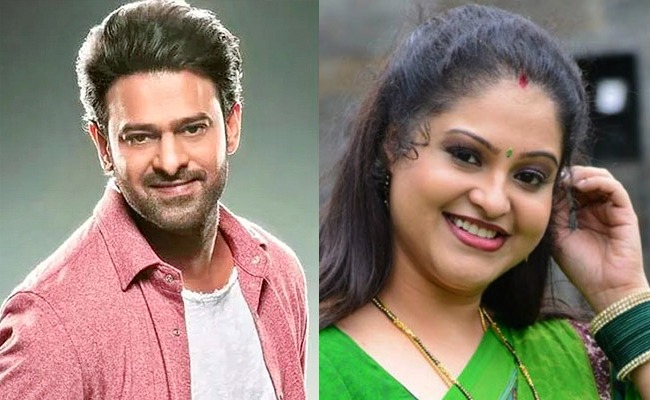
Senior actress Raasi, who once ruled Tollywood with her charm and performances, has recently sparked discussion in Film Nagar with her comments about Rebel Star Prabhas.
In a recent interview, Raasi expressed her admiration for Prabhas and recalled that she predicted his rise to stardom after watching the trailer of his debut film “Eeshwar.” However, she made it clear that while she would love to act alongside him, she is not willing to play a mother role to the star. She explained that the age gap between them is not significant, and she would feel uncomfortable being addressed as “mother” by him on screen.
Her comments drew mixed reactions on social media, prompting her to clarify the issue at a recent event for her film “Anumaanapakshi.” Raasi stated that she never said she would not act as a sister or in other supporting roles to Prabhas. She only refused roles that do not suit her age, especially mother characters. She emphasized that it is her personal choice and should not be misinterpreted.
Interestingly, Raasi has never met Prabhas in person, though she has lent her voice as a dubbing artist for some of his films like “Mirchi” and “Radhe Shyam.” She added that she only watches his films in theatres and still wishes to share screen space with him someday if a suitable role comes her way.
Currently, Raasi is playing a key role in “Anumaanapakshi,” directed by Vimal Krishna and starring Rag Mayur. She expressed confidence that the film will succeed, especially after the positive response to its recently released song “Gulab Jamun.” Re-entering films with diverse roles, Raasi hopes to continue impressing audiences in her second innings.