








Australia’s peak education organisations have come together to urge the federal government to reduce the $2,000 non-refundable student visa application fee, warning that the steep charge is deterring prospective students and threatening the sustainability of the sector.
In a joint letter addressed to the Prime Minister, Treasurer, Finance Minister, and other senior officials, the International Education Association of Australia (IEAA), English Australia, and the Independent Tertiary Education Council Australia (ITECA) called for immediate action. The organisations highlighted that the fee, which was raised to $2,000 in July 2025 following a previous 125% increase from $710 to $1,600 in 2024, places a disproportionate burden on short-term study applicants.
The letter specifically requested a 50% reduction in visa fees for students applying for English Language Intensive Courses for Overseas Students (ELICOS) and non-award courses lasting less than 52 weeks. “Requiring these students to pay the full $2,000 fee for programs lasting only weeks or months is inequitable, particularly when compared with longer, award-based programs,” the organisations wrote.
Industry leaders warned that independent English language providers have already suffered significant losses, with many forced to close. They also cautioned that Australia risks damaging its global reputation as a leading destination for short-term study abroad programs, which play a vital role in fostering cultural exchange and soft power.
The consequences of the fee increase are already visible. Department of Education data shows that international student commencements in the 12 months to July 2025 fell 16% year-on-year, while ELICOS enrolments plunged nearly 40%.
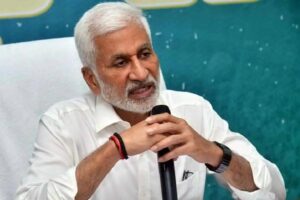
Speaking to The PIE News, Assistant Minister for International Education Julian Hill acknowledged the concerns raised by providers but argued that the visa fee is not the only factor behind declining student numbers. “The correlation with the more significant drop in student numbers was when we tightened up the visa integrity settings because of some of the behaviour we were seeing from certain markets,” he said.
Despite this, the sector remains firm in its stance that the fee hike is harming Australia’s competitiveness. Education leaders continue to press the government for reforms to ensure that international education—one of Australia’s most valuable exports—remains accessible, sustainable, and globally attractive.
Recent Random Post: