









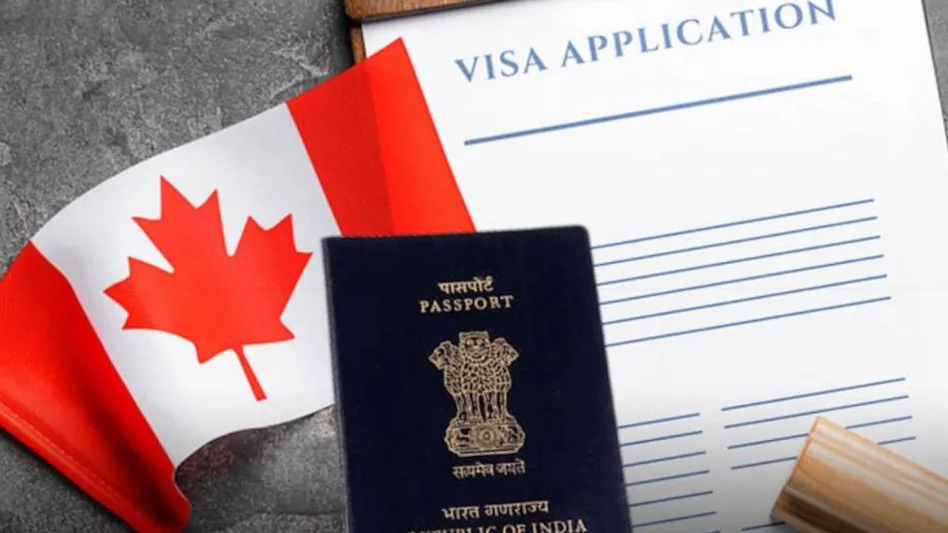
Canada has recently implemented stringent immigration and visa regulations aimed at curbing illegal migration, significantly affecting thousands of Indian students pursuing higher education in the country. The revised Immigration and Refugee Protection Regulations, which came into effect on January 31, have led to sudden permit cancellations, increased visa scrutiny, and stricter enforcement of departure regulations.
According to Immigration, Refugees and Citizenship Canada (IRCC), approximately 7,000 study permits are expected to be revoked this year, impacting a considerable segment of the 4.27 lakh Indian students currently studying in Canada. Legal experts caution that students facing permit revocation may be required to leave the country unless they successfully appeal—a process that can cost at least C$1,500 with no guaranteed success.
Impact on Indian Students
Nikhil Jain, founder of ForeignAdmits, stated in a report by The Economic Times that multiple students have lost their permits despite maintaining excellent academic records. The heightened scrutiny has raised concerns among students, educational institutions, and immigration consultants regarding the fairness and consistency of enforcement.
Key Changes to Canada’s Visa Programme
In a broader effort to regulate immigration, Canada has introduced measures that grant border officials greater authority to cancel temporary resident documents, including electronic travel authorisations (eTAs) and temporary resident visas (TRVs). Under the revised regulations, immigration and border officers now have the power to revoke work permits, study permits, and other travel documents if an individual is found to be ineligible, inadmissible, or fails to demonstrate their intent to leave Canada when required. Additionally, permits that are lost, stolen, or erroneously issued are now subject to cancellation.
Students who lose their immigration status due to denied work or study visas may face severe disruptions in their education and employment prospects post-graduation. With Indian students constituting nearly 35-40% of Canada’s international student population, these new policies are expected to have far-reaching consequences.
Policy Shifts and Future Prospects
These regulatory changes follow Ottawa’s recent overhaul of immigration policies, including the cancellation of the Student Direct Stream (SDS) visa programme in late 2024. Canada has traditionally been a preferred destination for Indian students, skilled workers, and legal migrants. However, the tightening of visa rules, increasing financial burdens, and intensified enforcement actions are making it increasingly challenging for many aspiring students to study and remain in the country.
As the situation unfolds, stakeholders—including educational institutions, student organizations, and immigration experts—are urging Canadian authorities to ensure that policy enforcement remains fair, transparent, and supportive of genuine international students who contribute significantly to Canada’s economy and academic landscape.
Recent Random Post: