








China’s Lunar New Year, popularly known as the Spring Festival, is the most important and widely celebrated traditional holiday in the country. Determined by the lunar calendar, the festival marks the beginning of a new year and usually falls between late January and mid-February, with the exact date changing annually.
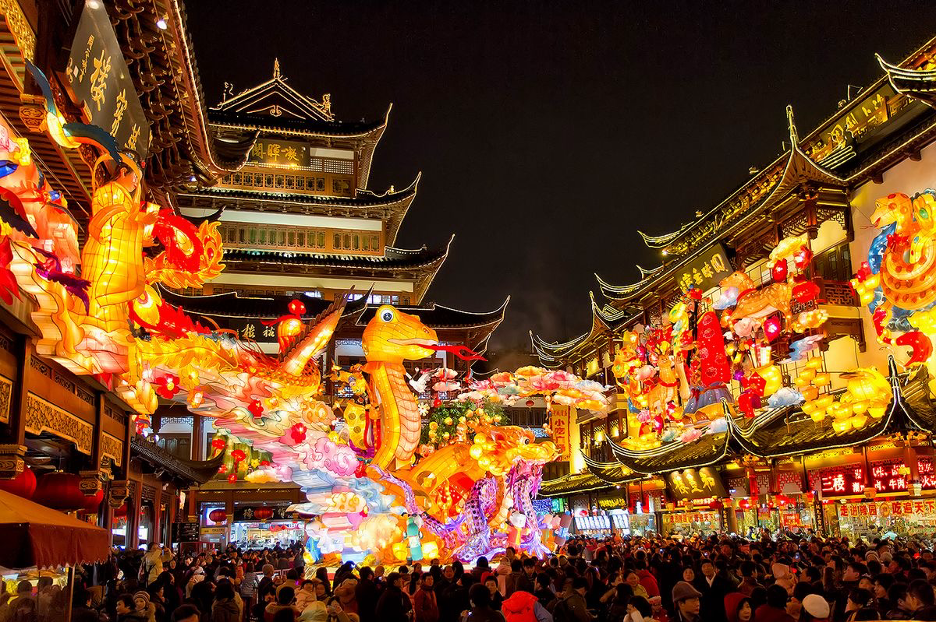
At its heart, the Spring Festival is a celebration of family and renewal. It triggers what is often described as the world’s largest annual human migration, as millions of people travel across China to reunite with their families. Homes are adorned with red lanterns, couplets, and auspicious symbols representing prosperity and happiness. Families gather for elaborate reunion dinners featuring traditional dishes believed to attract good fortune in the coming year.
Fireworks, dragon and lion dances, temple visits, and various cultural performances are central to the festivities. These customs symbolically drive away negative energy and welcome a fresh start filled with hope and prosperity.
To enable nationwide celebrations, the Chinese government declares an extended public holiday, typically lasting about a week. During this period, stock markets close, factories pause production, and many offices and businesses suspend operations. The temporary slowdown highlights the festival’s deep cultural significance and ensures that people can fully participate in the celebrations.
Beyond its cultural importance, the Lunar New Year carries significant global economic implications. As one of the world’s largest economies, China’s temporary halt in industrial output and trade activity often affects international supply chains, commodity markets, and regional business operations. The holiday period can influence global liquidity and market trends, particularly across Asia.
In essence, the Spring Festival is more than a traditional celebration—it is a powerful blend of heritage, social unity, and economic influence that resonates far beyond China’s borders.
Recent Random Post: