









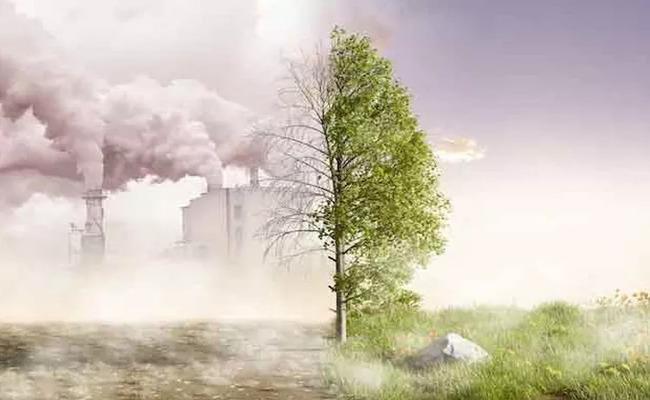
Clean air is a fundamental necessity for good health, yet nearly 99% of the global population is exposed to air that fails to meet the World Health Organization’s (WHO) stringent quality standards. According to the United Nations (UN), polluted air is linked to an estimated 7 million premature deaths each year, highlighting the severe global health risks of air pollution.
Invisible Threats: Understanding the Sources of Air Pollution
The primary sources of air pollution include the combustion of fuels such as coal, gasoline, diesel, and biomass, as well as wildfires and agricultural burning. Among the most dangerous pollutants are fine inhalable particles, including:
PM 2.5: Microscopic particles smaller than 2.5 microns in diameter, which penetrate deep into the lungs. These particles are primarily a result of fuel combustion.
PM 10: Slightly larger particles, often associated with agricultural activities, road dust, and mining.
Harmful Gases: Nitrogen dioxide (NO2) and sulfur dioxide (SO2), both of which are emitted from burning fuels and further exacerbate health risks.
The intensity of air pollution varies by region and season. For example, Jakarta’s pollution is largely driven by outdated motorbikes and industrial boilers, while agricultural waste burning is a significant contributor to pollution levels in India and Thailand. In Dhaka, brick kilns are a major source of air contamination, while seasonal forest fires in North and South America further degrade global air quality.
Health Risks of Air Pollution
Air pollution is the second-largest global risk factor for premature death, only behind high blood pressure, according to the Health Effects Institute. The health impacts are both immediate and long-term:
Short-term Effects: Exposure to polluted air can trigger asthma attacks, heart attacks, and strokes, particularly among vulnerable groups.
Long-term Effects: Chronic exposure to air pollution can lead to serious health conditions such as heart disease, chronic obstructive pulmonary disease (COPD), and lung infections.
Children, especially, are at great risk. A UNICEF analysis reveals that over 500 million children in East Asia and the Pacific are exposed to unhealthy air, contributing to the deaths of over 100 children under the age of five every day.
Monitoring and Assessing Air Quality
Over 6,000 cities across 117 countries now track air quality, with real-time updates available through many weather apps. However, the interpretation of air quality data can be complicated due to varying national standards. For instance, India’s daily PM 2.5 limit is 1.5 times higher than Thailand’s and four times above WHO recommendations.
The Air Quality Index (AQI) is commonly used to assess air quality, providing a color-coded numerical scale where higher values indicate poorer air quality. However, differing calculation methods among monitoring agencies can lead to variations in AQI readings.
Protecting Yourself from Air Pollution
The most effective way to reduce exposure to poor air quality is by staying indoors or wearing a mask on days when pollution levels are high. For many individuals, especially outdoor workers, staying indoors may not be a feasible option. In cities like Bangkok, where air pollution is a constant concern, individuals like Pakaphol Asavakomolnant wear masks daily and avoid commuting by motorbike to minimize exposure. Indoor air quality is another significant concern, as household activities like cooking, burning incense, and using certain products can worsen pollution. Ensuring proper ventilation is crucial to maintaining clean indoor air.
Are Air Purifiers Effective?
Air purifiers are commonly used to reduce indoor pollution by filtering harmful particles. However, their effectiveness is limited to small, enclosed spaces. “A tiny air purifier won’t be effective in a big space,” explains Rajasekhar Balasubramanian, an expert at the National University of Singapore. Furthermore, air purifiers remain out of reach for many individuals in developing countries, where affordability is a barrier to widespread adoption.
The Way Forward: A Global Call for Action
Air pollution is not only an environmental issue but a critical health crisis that requires urgent action at the global, national, and local levels. While individuals can take measures to protect themselves, large-scale policy changes and sustainable urban planning are crucial to improving air quality worldwide. Governments and communities must collaborate to reduce emissions, enforce stricter air quality standards, and invest in cleaner energy solutions. Only through these combined efforts can we create a healthier and cleaner future for all.
Recent Random Post: