






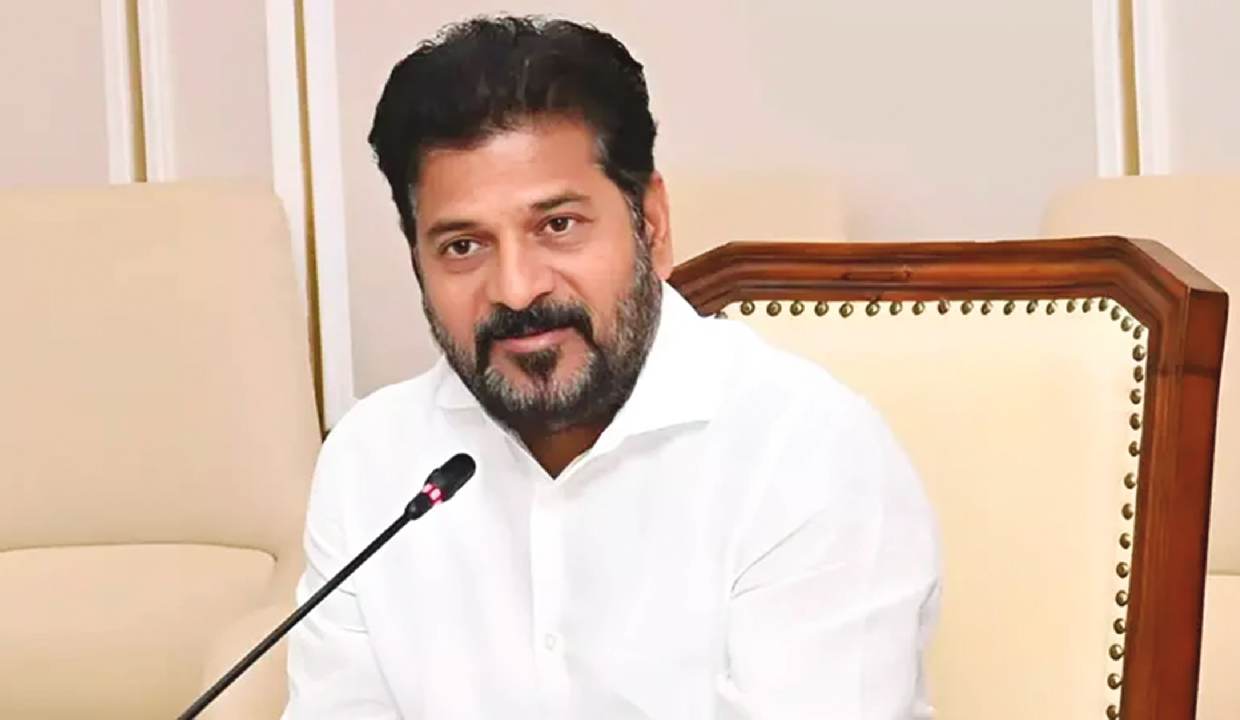
The recent Municipal Elections in Telangana have delivered a significant political boost to Revanth Reddy and the Congress party. While some critics are attempting to downplay the outcome—arguing that it was not a complete sweep and that the BRS remains competitive—the broader political context tells a different story.
Unlike the 2014 and 2018 Assembly elections, when Congress was almost wiped out, the Bharat Rashtra Samithi (BRS) has never been entirely out of contention in Telangana. At the same time, Congress has not historically enjoyed unchecked dominance either. Viewed through that lens, these municipal results represent a clear and meaningful victory for Revanth Reddy.
It is true that ruling parties often enjoy an advantage in local body elections. However, the fact that BRS continues to retain pockets of strength indicates that Congress’ win cannot be dismissed as a mere byproduct of incumbency. Attempts to frame it otherwise appear more like political consolation than objective analysis.
A closer look at the regional pattern offers further insight. North Telangana appears politically divided, with Congress, the BJP, and BRS each holding their respective strongholds. In contrast, South Telangana seems to be firmly aligned with Congress at this stage.
Hyderabad presents a distinct political dynamic, as the city has traditionally leaned toward the party in power. If this trend persists, it could complicate the prospects of K. Chandrashekar Rao and the BRS in the 2028 Assembly elections. In such a scenario, discussions around a potential BRS–BJP alliance may intensify.
However, such an alliance would come with substantial challenges. The BRS has previously positioned itself as a strong critic of the BJP, branding it a communal force. Moreover, the BJP has a track record in several states of politically overshadowing its allies. The experience of N. Chandrababu Naidu between 2014 and 2019 is often cited as an example. It would be politically complex for KCR to justify partnering with a party he has long opposed—especially when tensions have involved personal and legal confrontations.
Additionally, state-level BJP leaders in Telangana have been equally aggressive toward both Congress and the BRS. Even after losing power, BRS continues to be a primary target of BJP criticism. Convincing the BJP’s central leadership to enter into an alliance may not be straightforward.
From the BJP’s strategic perspective, there may be limited incentive to revive the BRS. A weakened BRS could create political space for the BJP to expand its own footprint in Telangana.
All these factors suggest that Telangana politics is entering a highly dynamic and unpredictable phase. The developments in the coming months will play a crucial role in shaping the state’s political landscape ahead of 2028.
Recent Random Post:
ఒక నిమిషం..కేటీఆర్ గారు దయచేసి వినాలి : CM Revanth Reddy
ఒక నిమిషం..కేటీఆర్ గారు దయచేసి వినాలి : CM Revanth Reddy