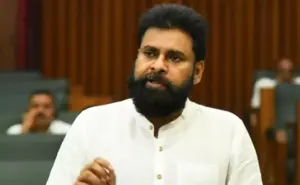




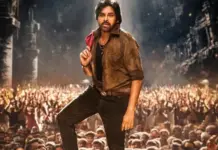




The ongoing legal battle over Jana Sena Party president and Andhra Pradesh deputy chief minister Pawan Kalyan’s decision to continue acting in films has reignited debate on whether elected representatives can pursue acting careers for remuneration.
According to election rules, public representatives — MLAs, MLCs, and MPs — are barred from holding an “office of profit.” They cannot head business entities or take up any assignment that generates income, apart from retaining equity shares. For example, TDP chief N. Chandrababu Naidu has no direct role in Heritage Foods, and YSRCP chief Y.S. Jagan Mohan Reddy does not actively manage his ventures, including Bharathi Cements and Sakshi Media Group.
The key question now is whether these restrictions extend to politicians who are professional actors. While they may not hold stakes in production houses, they receive hefty pay for acting — an income critics argue is no different from a salary.
A precedent exists in Karnataka, where government employees are barred from acting in films or TV serials, with the court ruling: “By acting in films, an employee is alternatively employed, which is impermissible.” Critics argue MLAs and MPs, being public servants, should face the same restrictions.
The issue surfaced in a writ petition filed by ex-bureaucrat-turned-politician Vijay Kumar in the Andhra Pradesh High Court. He alleged that Pawan Kalyan, despite his ministerial role, continues to act for profit and even misused state machinery to promote Hari Hara Veera Mallu.
In response, Advocate General Dammalapati Srinivas defended Kalyan, stating there is no legal bar on ministers acting in films. He cited precedents from former CM N.T. Rama Rao, who acted in films even while in office, with the High Court upholding his right. Srinivas also dismissed the allegations of misuse of government resources, noting the petitioner failed to provide evidence linking Pawan to ticket price hikes.
Justice Venkata Jyothirmayi adjourned the matter to September 15, after counsel for Vijay Kumar sought time to study the NTR case verdict before continuing arguments.
The case has sparked wide public interest, with many awaiting the court’s interpretation on whether cinema careers and public service can legally coexist.
Recent Random Post:
Iran Upset with Pakistan Over Hormuz? | పాక్ డబుల్ గేమ్ బట్టబయలు..!
Iran Upset with Pakistan Over Hormuz? | పాక్ డబుల్ గేమ్ బట్టబయలు..!