









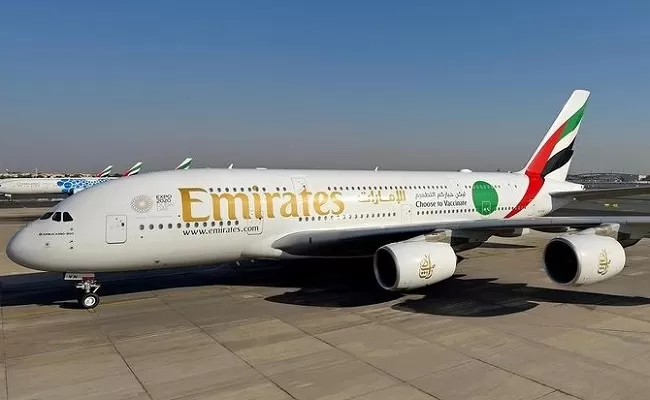
UAE-based carriers Emirates and Etihad Airways announced on Monday that they will gradually resume a limited number of flights starting this evening, following Dubai Airports’ confirmation of a partial reopening. Airport operations had been suspended earlier due to escalating hostilities between the US-Israel alliance and Iran.
Emirates stated that services will restart in phases, with priority given to passengers who had earlier bookings. The airline confirmed it will directly contact customers who have been rebooked onto the limited flights.
“Passengers are advised not to proceed to the airport unless they have received confirmation from the airline,” Emirates said in an official statement.
All other scheduled flights remain suspended until further notice. The airline added that it is closely monitoring the evolving situation and will adjust operations accordingly. Updates will be shared via emirates.com and the airline’s official social media channels.
Expressing gratitude, Emirates thanked passengers for their patience and understanding, reiterating that the safety and security of customers and crew remain its top priority.
Meanwhile, Etihad Airways confirmed it will operate select repositioning, cargo, and repatriation flights in coordination with UAE authorities. These flights will be subject to strict operational and safety approvals.
The UAE’s General Civil Aviation Authority also issued a statement noting that “exceptional flights are now operating at UAE airports,” and urged passengers to wait for confirmed flight details from their respective airlines before heading to the airport to ensure smooth processing.
However, authorities have not yet provided a timeline for the full restoration of normal operations.
The partial reopening follows widespread airspace closures across the Gulf region amid missile and drone attacks linked to the intensifying conflict. Over the weekend, several Gulf airports reportedly sustained damage after Iran launched missiles and drones targeting US bases in the region.
The disruptions forced airlines to suspend operations, leaving thousands of passengers stranded in major transit hubs including Dubai, Abu Dhabi, and Doha.
Dubai International Airport, the world’s busiest international travel hub, had halted regular operations due to safety concerns. The shutdown significantly impacted global aviation networks, as Gulf carriers such as Emirates, Etihad Airways, and Qatar Airways operate major hub-and-spoke systems connecting Asia, Europe, Africa, and the Americas.
Recent Random Post: