







Euphoria Review: Strong Message, Weak Execution

Director Gunasekhar’s filmography over the past two decades has been largely disappointing, with Rudhramadevi standing out as the lone respectable success. Yet, faith in him persists among a section of the audience, rooted in the credibility he earned early in his career with films like Sogasu Chooda Tarama, Choodalani Vundi, and the iconic Okkadu.
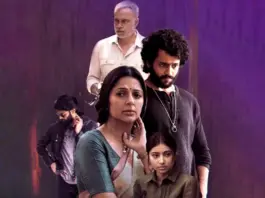
Following the heavy losses incurred by Shaakuntalam (2023), Gunasekhar returned with Euphoria, a social drama aiming to address moral accountability and parental responsibility. Headlined by Sara Arjun and supported by Bhoomika Chawla in a crucial role, the film finally hit theatres after an extended production period. Does it deliver the comeback the director desperately needs? Unfortunately, the answer is no.
Story
Euphoria centres on a disturbing incident involving five privileged 17-year-old boys who physically assault a girl of the same age. The narrative attempts to explore the consequences of the crime—both legal and emotional—while also examining the ripple effects on the victim’s family and the moral turmoil faced by one of the perpetrators’ mothers (Bhoomika Chawla).
The film raises questions about justice, rehabilitation, and accountability:
Will the girl overcome her trauma?
Do the boys deserve lifelong punishment or a chance at redemption?
While the premise is strong and socially relevant, its execution fails to match its ambition.
Performances
Sara Arjun fits the role well and delivers a passable performance, though her character is underwritten. Vignesh Gavireddy does reasonably well, particularly during the climax, which stands out as the film’s only emotionally effective stretch.
Disappointingly, seasoned actors such as Bhoomika Chawla, Gautham Vasudev Menon, and Nassar appear disengaged. Weak performances, compounded by glaring lip-sync issues—even among Telugu-speaking actors—seriously hamper the film’s credibility.
Technical Aspects
- Music & Background Score: Kaala Bhairava’s EDM- and trance-influenced background score feels out of place and fails to enhance the emotional weight of the narrative. The songs leave no impression.
- Cinematography: Praveen K Porhan’s work is among the few positives. His night-time visuals of Hyderabad and select frames in the second half are visually appealing.
- Editing: Prawin Pudi’s editing is a major flaw. The film desperately needed tighter pacing; trimming at least 15–20 minutes could have significantly improved the viewing experience.
Positives
- Partially effective climax
- Visually pleasing cinematography in parts
Negatives
- Outdated and clichéd writing
- Ineffective direction
- Poor performances
- TV-serial-like treatment
- Excessive runtime and sluggish pacing
Analysis
At its core, Euphoria argues that moral responsibility should accompany legal accountability, and that parents must share blame when their children commit serious crimes due to poor upbringing. This is a valid and thought-provoking idea.
However, Gunasekhar fails to translate this concept into compelling cinema. For a film that runs over two and a half hours, the absence of even a single gripping sequence until the final moments is startling. The first half feels like an extended television serial, while the second half drags endlessly with unnecessary detours and repetitive scenes.
The film also sidesteps important logical and legal considerations—such as minors entering pubs and parental responsibility on both sides—resulting in a simplistic and one-sided narrative that weakens its impact.
Final Verdict
Despite its relevant theme and good intentions, Euphoria collapses under the weight of poor writing, outdated narration, and ineffective direction. Except for a mildly engaging climax, the film offers little to hold the audience’s attention.
Final Verdict: Misfired Social Commentary