








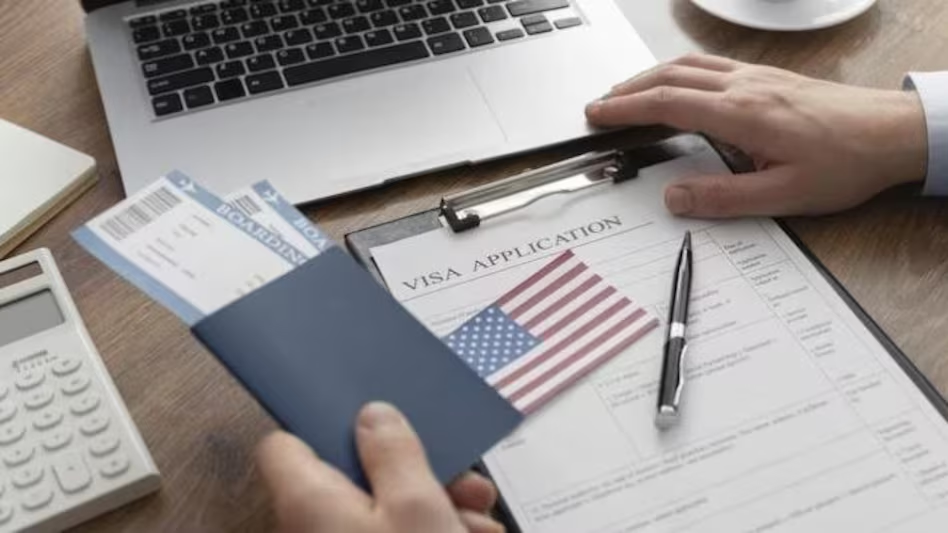
A growing number of H-1B visa applicants are experiencing unexpected delays in their US visa process, with many cases being placed under Section 221(g). While the term often causes anxiety among applicants, it is important to note that this status does not mean a final rejection. Instead, it indicates a temporary hold while additional checks or documentation are reviewed.
Under Section 221(g) of the Immigration and Nationality Act (INA), a consular officer determines that the applicant has not yet fully demonstrated eligibility for the visa. In such cases, the application remains pending until further information is provided or administrative processing is completed.
When a visa is marked under 221(g), it means the officer was unable to approve the application at the time of the interview and document review. However, the case can still move forward once the requested documents are submitted or required background verifications are cleared.
Applicants are usually informed whether they need to provide additional documents or simply wait for administrative processing. If documents are requested, they must be submitted within one year from the date of refusal. Failure to respond within this timeframe requires the applicant to begin a new visa application and pay the applicable fees again.
Processing timelines under 221(g) can vary significantly. Delays may occur due to enhanced security screening, verification of employment details, social media background checks, staffing constraints at consulates, or broader visa backlogs.
Immigration experts advise applicants not to view a 221(g) status as a denial. It reflects an incomplete adjudication rather than a closed case. Once the concerns are addressed and required checks are completed, visa approval remains possible.
Recent Random Post: