









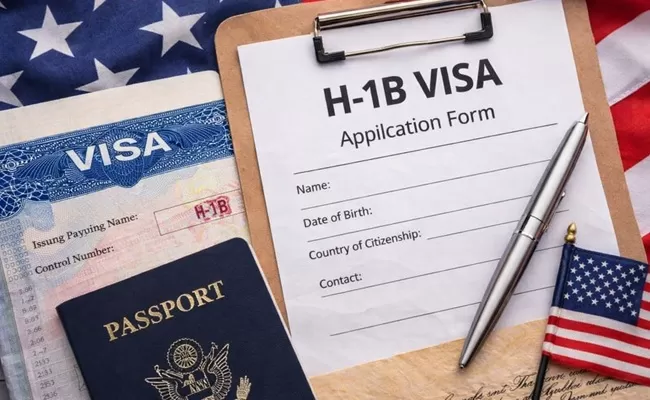
The H-1B visa program, a primary pathway for skilled foreign professionals to work in the United States, is once again under scrutiny as hiring trends and policies evolve.
Recent reports highlight that tech companies remain the largest employers of H-1B workers, particularly in innovation hubs like Silicon Valley. Giants such as Amazon, Meta, Microsoft, and Google have consistently led in hiring foreign talent, reflecting high demand for skills in software development, artificial intelligence, and other specialized fields.
In areas like the Bay Area, H-1B workers make a noticeable impact. Data from 2021 to 2024 shows that roughly 1 in every 100 workers held an H-1B visa, earning a median salary of about $129,000, underscoring that these are primarily high-skilled, well-compensated roles.
Introduced in 1990, the H-1B program allows U.S. companies to hire foreign professionals for “specialty occupations” that require at least a bachelor’s degree. However, the number of visas is capped at 65,000 annually, with an additional 20,000 reserved for advanced degree holders, making the allocation highly competitive and dependent on a lottery system.
Despite its significance, the program faces increasing uncertainty. Some companies have started reducing or reconsidering visa sponsorships due to policy changes and rising costs. Experts warn this could influence hiring decisions and even prompt companies to relocate jobs abroad if employing foreign talent becomes too expensive.
Supporters emphasize that H-1B workers are critical for innovation and filling skill gaps, while critics argue the program can disadvantage American workers, especially during tech sector layoffs.
Overall, the future of H-1B jobs in the U.S. remains uncertain. While global talent continues to be in demand, evolving policies and economic pressures are reshaping corporate hiring strategies, making this a key issue for both employers and skilled professionals.
Recent Random Post: