









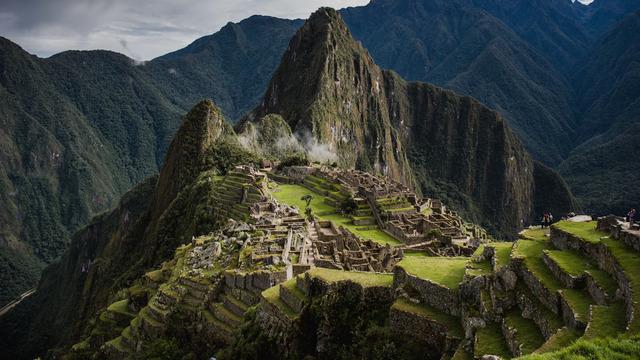
While iconic landmarks like the Taj Mahal and Machu Picchu continue to captivate travelers, many in 2026 are seeking experiences beyond the usual wonders. The trend is shifting toward destinations rich in history, visually striking, and still relatively untouched by mass tourism. For those looking for meaningful journeys, quieter landscapes, and stories worth remembering, the world offers several lesser-known marvels that provide a refreshing escape from everyday routines.
In southern Italy, Matera is drawing global attention as the 2026 Mediterranean Capital of Culture and Dialogue. Throughout the year, the city will host art residencies, exhibitions, performances, film showcases, and creative workshops. Famous for its ancient cave dwellings carved into rocky landscapes, Matera’s historic Sassi once sheltered families until the mid-20th century. Today, many of these caves have been transformed into boutique hotels and cultural spaces, blending prehistoric history with modern luxury. The city’s 2026 theme, Terre Immerse, highlights its deep connection to land, memory, and identity.
Canada’s Banff National Park continues to be a paradise for nature lovers and adventure seekers. Surrounded by snow-capped peaks, emerald lakes, and vast alpine meadows, Banff offers skiing, hiking, canoeing, and wildlife spotting. A new train route planned for 2026 will improve access from nearby regions. With Canada co-hosting the FIFA World Cup that year, early visits will allow travelers to enjoy the park’s tranquility before the crowds arrive.
In England, the Bradford Pennines Gateway celebrates natural landscapes while promoting biodiversity and public access. Covering over 1,200 hectares, the region includes moorlands, bogs, country parks, and scenic trails. Visitors can explore Ilkley Moor and Penistone Hill, along with historic villages such as Haworth and Thornton. Medieval bridges, hidden waterfalls, and ancient pathways add layers of history to the rolling countryside, making it ideal for slow travel.
Northern Algeria’s Djemila is one of Africa’s most remarkable yet under-visited Roman archaeological sites. Founded by Emperor Septimius Severus as a settlement for retired Roman soldiers, Djemila’s forums, basilicas, temples, and stone arches remain strikingly intact. Archaeologists believe less than half of the ancient city has been uncovered, hinting at vast historical treasures still hidden beneath the surface.
The Faroe Islands in the North Atlantic are increasingly accessible via short flights from major European cities. Known for dramatic cliffs, misty coastlines, and turf-roofed houses, the archipelago features remote villages such as Gásadalur and Saksun. Visitors can kayak along rugged shores or hike windswept hills, while the capital, Tórshavn, offers a vibrant culinary scene with Michelin-starred Nordic dining.
In South Africa’s Northern Cape, the Richtersveld presents a dramatic desert landscape of mountains, arid plains, and coastal stretches shaped by extreme conditions. The Orange River sustains life in this harsh terrain. A UNESCO World Heritage Site, the Richtersveld is valued for both its biodiversity and the living cultural traditions of its indigenous communities.
El Imposible National Park in El Salvador is a dense tropical forest teeming with rivers, wetlands, and archaeological remnants. Home to hundreds of plant species, diverse mammals, amphibians, reptiles, and nearly 300 bird species, its untouched terrain offers eco-tourism, hiking, and birdwatching opportunities that allow visitors to connect deeply with nature.
For travelers in 2026 who value authenticity over popularity, these hidden gems provide unforgettable journeys across continents. Each destination tells a story shaped by history, culture, and nature, quietly waiting to be discovered by those willing to explore beyond the familiar.
Recent Random Post: