









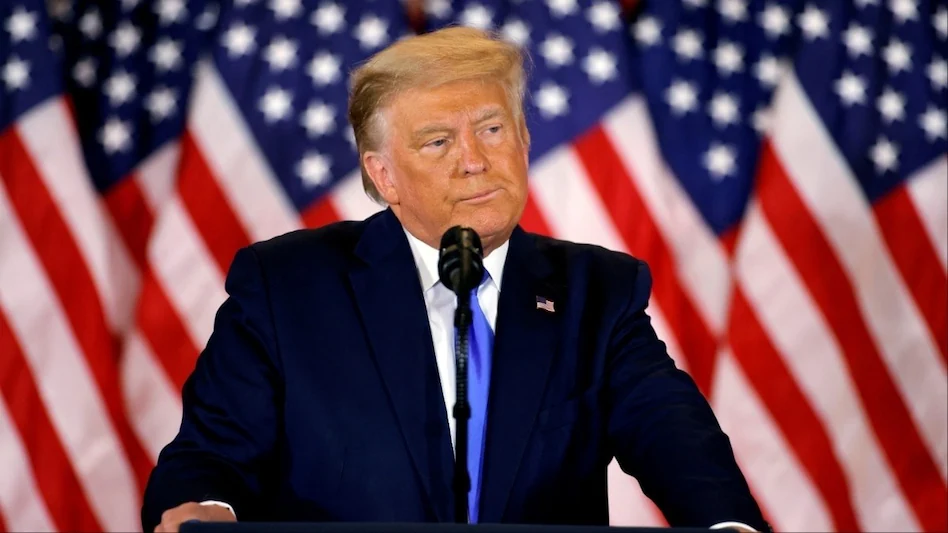
Immigrant communities across the United States are experiencing heightened anxiety as stricter immigration enforcement and increased H-1B visa fees come into force under the Trump administration. According to the 2025 Survey of Immigrants conducted by the Kaiser Family Foundation (KFF) in partnership with The New York Times, fear of detention and deportation has surged sharply across immigrant groups, including those who are lawfully present and even naturalised citizens.
The survey found that 22% of immigrants personally know someone who has been arrested, detained, or deported on immigration-related grounds since President Trump assumed office in January. Notably, most of those affected had not committed serious crimes. Overall, 41% of immigrants now worry that they or a family member could face detention or deportation, a significant increase from 26% in 2023.
While concern remains highest among likely undocumented immigrants at 75%, apprehension has also risen substantially among lawfully present immigrants, increasing from 33% to 50%. Even naturalised citizens reported a sharp rise in fear, with concerns jumping from 12% to 31%. More than half of all immigrants surveyed said they lack confidence that they or their family members would be treated fairly by the U.S. legal system if detained on immigration-related charges.
The impact of these fears is extending into everyday life. Nearly 30% of immigrants reported cancelling travel plans to avoid potential encounters with immigration authorities. Among undocumented immigrants, 63% said they are avoiding both domestic and international travel. This caution is not limited to undocumented groups, as 32% of H-1B visa holders and 15% of naturalised citizens also reported refraining from travel.
Adding to the uncertainty, the Department of Homeland Security announced in December 2025 that the H-1B visa lottery system will be replaced with a weighted selection process favouring higher-paid and more highly skilled applicants. The new rule, issued by U.S. Citizenship and Immigration Services, is set to take effect on February 27, 2026. Earlier, in September, President Trump signed a proclamation increasing H-1B application fees, stating the move was aimed at curbing misuse of the programme and protecting American workers.
These changes have had a pronounced impact on Indian professionals, who have historically been the largest beneficiaries of the H-1B visa programme. Indian IT firms are now facing higher costs for employing thousands of workers in the U.S., while many professionals in technology, finance, and healthcare sectors are grappling with delayed visa appointments and growing uncertainty.
As major technology companies such as Amazon, Microsoft, Apple, Meta Platforms, and Tata Consultancy Services continue to rely heavily on H-1B talent, the industry is being compelled to adjust to a rapidly shifting immigration landscape. Meanwhile, fear and uncertainty within immigrant communities continue to mount as U.S. immigration policies undergo significant transformation.
Recent Random Post: