









India’s smartphone market recorded strong growth in the July–September quarter of 2025, expanding 5% year-on-year in shipments and 18% in value, according to Counterpoint Research. The surge marks the highest quarterly value ever achieved in the Indian smartphone market.
The rebound was driven by festive season sentiment, aggressive promotions, and a clear consumer shift toward higher-priced smartphones. Analysts noted that the market’s focus has shifted from expanding volumes to increasing value through premium offerings.
Easing retail inflation, improved consumer confidence, and the availability of easy financing and trade-in deals contributed to an upgrade cycle. “Softer interest rates and easy financing options further fueled upgrade-driven demand,” said Prachir Singh, Senior Analyst at Counterpoint, adding that brands also stocked ahead of demand and rolled out strong discounts on previous-generation models.
The premium smartphone segment (₹30,000 and above) grew 29% year-on-year — the fastest among all price bands — pushing the overall average selling price higher by 13%.
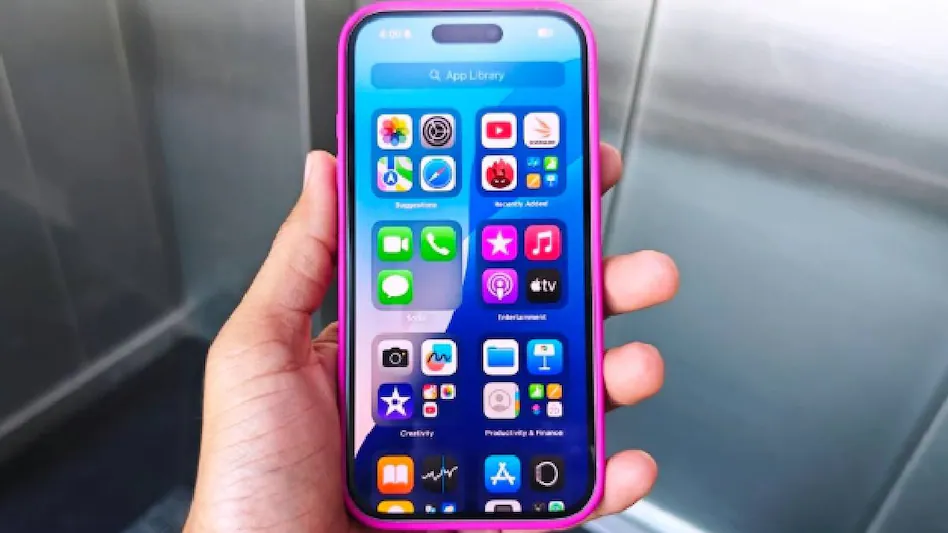
Apple led the premium category with a 28% value share, supported by robust demand for the iPhone 16 and 15 lineups. The newly launched iPhone 17 series also opened to strong early traction. Samsung followed with a 23% value share, driven by its Galaxy S and A series alongside record foldable shipments.
By volume, vivo (excluding iQOO) topped the market with a 20% share, thanks to its strong offline presence and performance of the T-series. Samsung came in second at 13%, while OPPO (excluding OnePlus) continued to gain momentum by strengthening its product and retail strategy.
In a milestone shift, Apple entered India’s top five smartphone brands by volume for the first time, reinforcing India’s position as its third-largest market globally. The iPhone 16 remained the most shipped smartphone in the country for the second consecutive quarter.
Analysts noted that Apple’s retail expansion, financing schemes, and growing aspirational appeal are enabling deeper market penetration, including into smaller cities.
Recent Random Post: