








An Indian American advocacy group has warned that escalating online rhetoric targeting the community risks spilling into real-world harm, urging social media platforms and US law enforcement agencies to intervene before tensions intensify.
The Indian American Advocacy Council (IAAC) said this week that recent social media posts have crossed the boundary between political disagreement and direct incitement, placing members of the community at risk.
“This is not ‘politics’ or ‘edgy speech,’” the group said in a statement posted online. “It is incitement, and it puts real people at risk.”
The council called on the FBI and other law enforcement bodies to review the public activity of an individual it accused of promoting violence, including examining potential coordination, funding sources, or online networks amplifying threats. It also urged social media platform X to remove content that advocates violence and to suspend repeat offenders.
“Threats against an ethnic community are not acceptable. Not online. Not anywhere,” the group said.
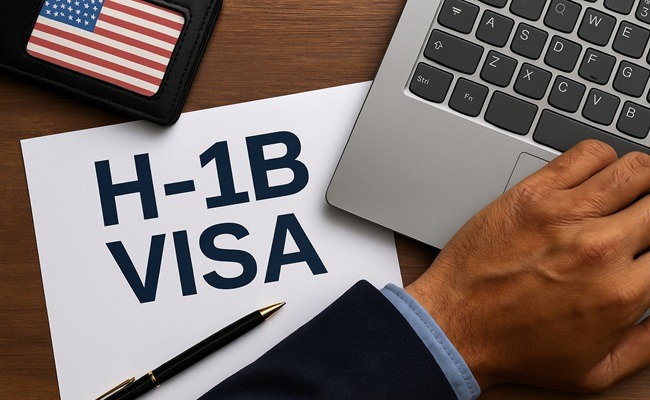
The warning comes amid heightened online exchanges linked to debates over US immigration policy, particularly the H-1B visa programme, which allows American companies to hire foreign workers in specialised occupations. While critics argue the programme undercuts domestic labour, supporters maintain it is vital for meeting demand for high-skilled talent.
Rajeev Sharma, a founding member associated with IAAC, said a legitimate policy discussion had taken a troubling turn. He described himself as “deeply unsettled and frustrated” by what he characterised as the distortion of the debate into rhetoric that was dehumanising and, at times, genocidal in tone.
Other supporters echoed those concerns, praising Americans who publicly pushed back against the language and calling on X to enforce its rules against violent threats. In a separate message, the council thanked individuals who spoke out in defence of Indian Americans.
“Genocidal rhetoric has no place in America,” the group said.
Alongside its condemnation of online threats, the IAAC circulated a draft charter to members outlining its mission and long-term goals. Described as a “prospective IAAC Charter,” the document was presented as a statement of identity and purpose intended for broader public engagement.
As debates over immigration and economic policy continue ahead of the 2026 election cycle, advocacy groups say they are closely monitoring rhetoric that moves beyond disagreement into language they consider dangerous.
For the Indian American Advocacy Council, the message was clear: policy debates are legitimate, but calls for harm are not.
Recent Random Post: