








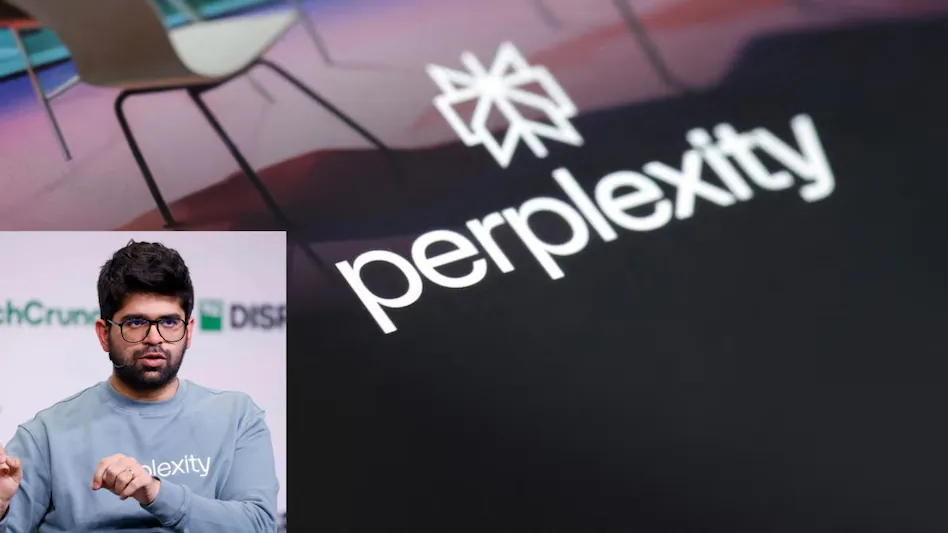
Aravind Srinivas, CEO of Perplexity AI, recently expressed his admiration for the potential bravery of an Indian company that dares to challenge global technology giants such as Instagram and WhatsApp. Speaking on a podcast hosted by Zerodha co-founder and investor Nikhil Kamath, Srinivas discussed the vast opportunity for Indian entrepreneurs to establish a foothold in the digital advertising ecosystem, which remains largely dominated by Meta and Google.
Responding to Kamath’s inquiry about the feasibility of young Indian entrepreneurs disrupting the digital ad market, Srinivas acknowledged the uphill battle but emphasized the potential rewards. He highlighted that Perplexity AI itself is attempting to penetrate this competitive space despite facing skepticism from those who consider competing against Google an act of “stupidity.”
Srinivas elaborated on the importance of building superior targeting mechanisms, at least for Indian consumers, to create an alternative platform that could rival Instagram. He stressed that a successful competitor must provide a compelling reason for users to engage and post content actively, ensuring the platform’s sustainability and appeal.
Market Landscape and Challenges
According to recent data from the Registrar of Companies (RoC), Google India’s gross ad revenue for the fiscal year 2023 surged by 12.49% year-over-year, reaching an impressive Rs 28,040 crore. Platforms such as Google Search, YouTube, and Chrome have solidified Google’s dominance in India’s digital advertising market.
Meanwhile, companies like AstroTalk continue to allocate significant portions of their advertising budgets to Meta and Google. Reports indicate that approximately 50% of AstroTalk’s ad spend goes to Meta platforms (predominantly Instagram and Facebook), 35% to Google and YouTube, and the remaining 15% to influencer and celebrity marketing initiatives. This distribution underscores the stronghold of these platforms and the challenges new entrants face in carving out market share.
The Data Protection Hurdle
One of the most significant barriers for emerging players in the digital advertising space is the growing concern around data protection and security. Established tech giants like Google and Meta benefit from extensive parent-child data networks, creating a data moat that is difficult for new competitors to overcome. As smaller companies struggle to implement robust consent mechanisms, the advantage tilts further in favor of well-entrenched platforms.
To address these concerns, some firms are exploring various consent models, including third-party tokenization and leveraging existing frameworks such as DigiLocker and APAAR ID. However, these methods remain in early developmental stages and have yet to prove their effectiveness in countering the dominance of industry giants.
The Future of Digital Innovation in India
India’s software and network-based service industries play a crucial role in the country’s broader Digital India economic strategy. With continued government investment in technological education and intelligence development, the appetite for innovation remains strong. Emerging players that can leverage cutting-edge technology and refined targeting capabilities have the potential to disrupt the status quo.
According to Statista, Instagram boasts approximately 229.5 million users in India, while YouTube leads the market with around 462 million users. These figures highlight the vast audience potential for any new entrant with the right mix of technological innovation and strategic positioning.
As the Indian tech ecosystem matures, entrepreneurs who can navigate regulatory frameworks, establish trust through data protection measures, and develop innovative advertising models may yet challenge the prevailing dominance of Silicon Valley giants. Whether such a brave disruptor emerges remains to be seen, but the opportunity for transformation is undeniable.
Recent Random Post: