









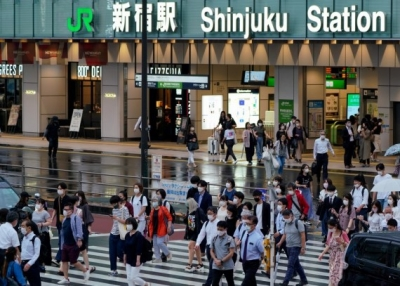
Japan’s household spending rose for the second consecutive month in June, even as the country grapples with a historic decline in its native population, according to official data released Friday.
The Ministry of Internal Affairs and Communications reported a 1.3% year-on-year increase in household expenditures, driven primarily by higher spending on automobiles and electricity bills, as demand for air conditioning surged during the summer heat. Households consisting of two or more people spent an average of 295,419 yen (approximately $2,006) during the month.
By category, spending on transportation and communication rose by 8.6%, while energy and water expenditures climbed 6.3%. However, food spending declined by 2.1%, marking the first drop in three months, with rice consumption down 12.1%, attributed to reduced purchases and consumer preference for cheaper grains following earlier government stockpile releases.
Household consumption, which accounts for over half of Japan’s GDP, remains a key indicator of economic performance.
In contrast to the economic data, Japan’s demographic outlook continues to worsen. The native population declined by approximately 908,000 in 2024, the steepest annual drop since records began in 1968. As of January 1, 2025, the number of Japanese nationals stood at 120.65 million, continuing a 16-year downward trend.
Japan’s total population, including foreign residents, was reported at 124.33 million, down 554,000 from the previous year. Notably, the number of foreign nationals rose to a record 3.68 million, an increase of 10.65% year-on-year. The rise is largely attributed to labor migration, with over 85% of foreign residents classified as working age.
The northern prefecture of Hokkaido saw the highest increase in foreign residents at 19.57%, reflecting regional efforts to address labor shortages caused by an aging and shrinking population.
Recent Random Post: