







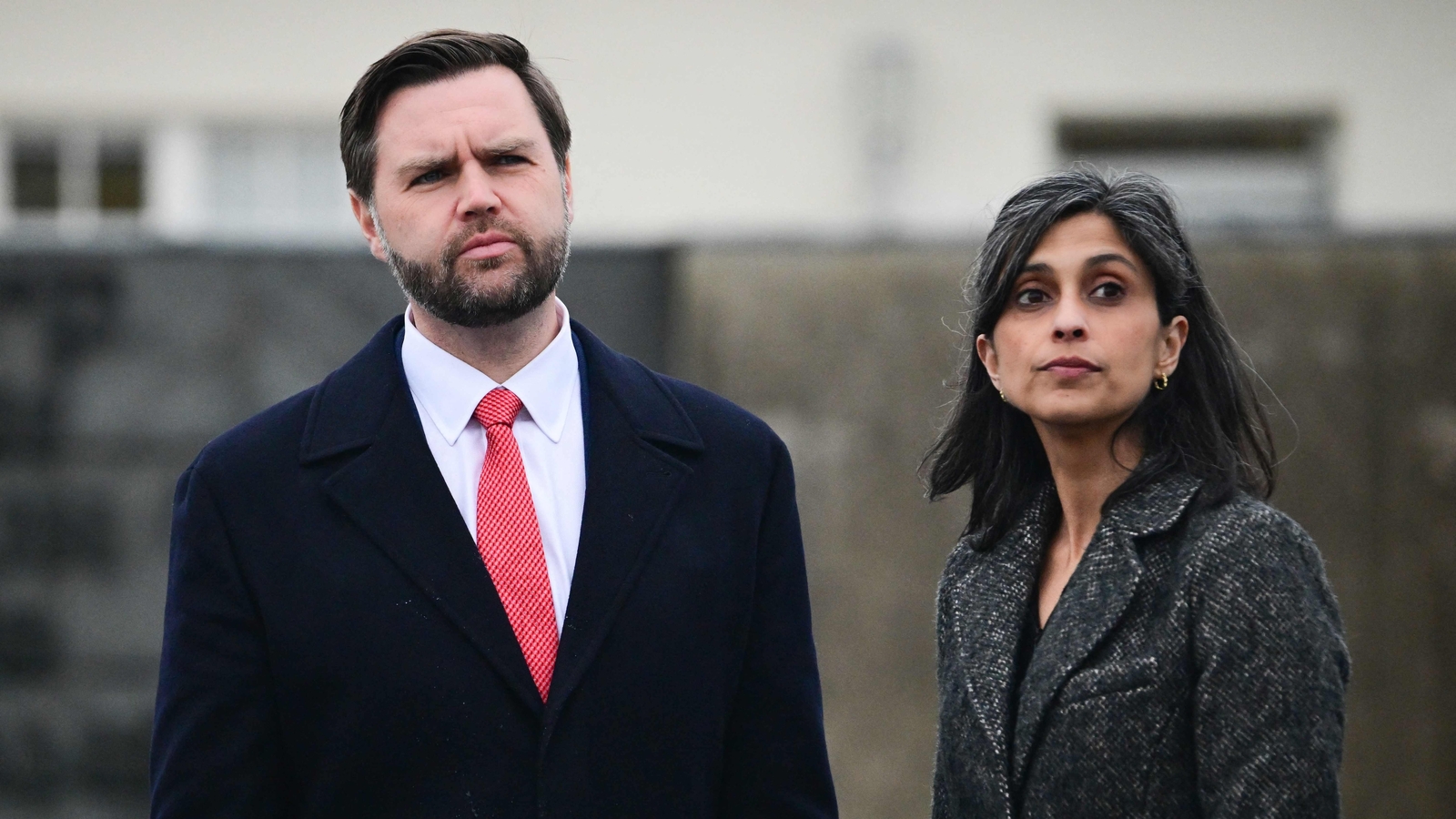
US Vice President JD Vance recently found himself at the center of a social media storm after comments about his wife, Usha Vance’s faith, drew mixed reactions online. Speaking at a Turning Point USA event in Mississippi, Vance mentioned that while Usha is not a Christian, she attends church with him and their children, who are being raised in the Christian faith. He also shared that his wife had played a significant role in helping him reconnect with his spirituality, adding that he hopes she might one day embrace Christianity.
However, the remarks triggered backlash on social media, with several users accusing him of being disrespectful toward his wife’s beliefs. One X (formerly Twitter) user wrote, “It’s weird to throw your wife’s religion under the bus, in public, for a moment’s acceptance by groypers.” The post has since been deleted, but it prompted Vance to issue a clarification in which he described the criticism as “disgusting” and clarified his intent behind the original statement.
In his response, Vance explained that the question about his interfaith marriage came from someone on the left, and he chose to answer honestly rather than evade it. “My Christian faith tells me the Gospel is true and good for human beings,” he said. “My wife is the most amazing blessing in my life. She encouraged me to reengage with my faith years ago. She is not a Christian and has no plans to convert, but like many interfaith couples, I hope she may one day see things as I do.”
Vance stressed that his love and respect for Usha remain unwavering, stating that he will continue to share open conversations with her about “faith, life, and everything else” because she is his partner in all aspects of life. He also condemned the backlash as an example of “anti-Christian bigotry,” asserting that sharing one’s faith or hoping loved ones adopt similar beliefs is a normal aspect of religious life.
The controversy underscores the challenges public figures face when speaking about personal and religious matters. While Vance’s remarks were intended to express his faith and family values, the incident has reignited debate about the boundaries between personal belief and public discourse in American political life.
Recent Random Post: