



Watch Kamal Haasan’s Uttama Villain New Theatrical Trailer
Recent Random Post:
Biker Director Abhilash Reddy Shares Exciting Insights Ahead of Release
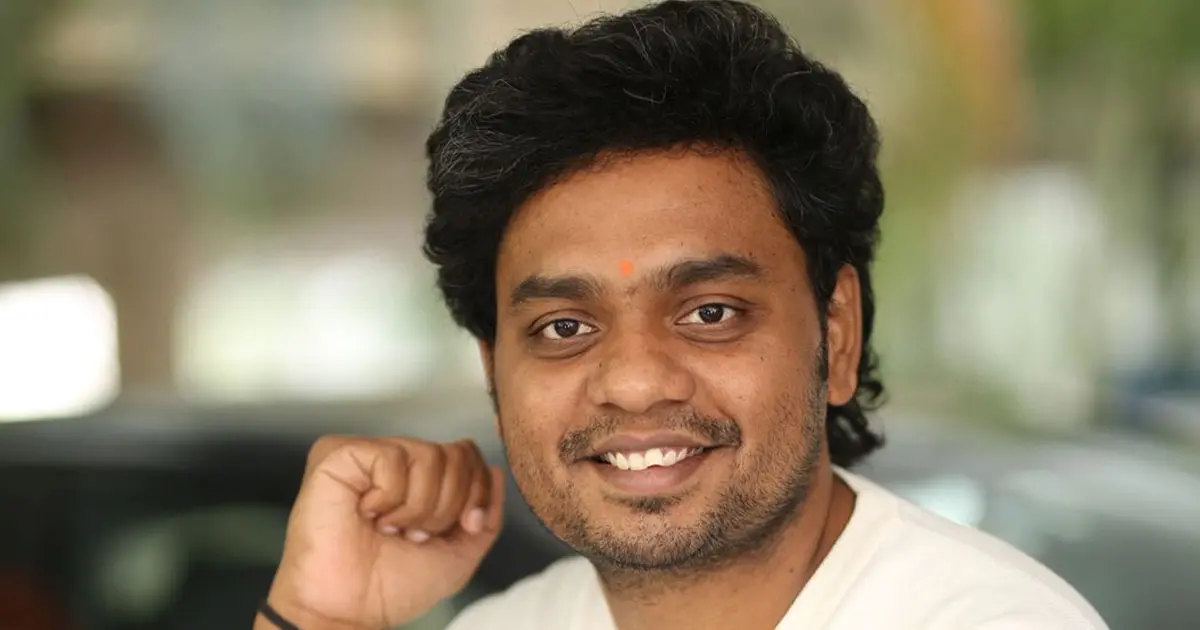
Director Abhilash Reddy, who helmed the upcoming film Biker, recently shared interesting insights in an exclusive interaction with manatelugu, during a conversation with Rishikeshwar Yogi.
Speaking about the film’s core theme, Abhilash explained that while professional bike racing may not be widely familiar to everyone, riding a bike is a common part of daily life, making the story relatable to a broader audience.
He also opened up about the challenges faced during production, recalling a particularly intense and risky action sequence shot in Indonesia with Sharwanand. He described the experience as both thrilling and nerve-wracking.
The director revealed that although the story is set in Coimbatore—known for its racing culture—the film’s high-octane racing sequences were filmed extensively in Indonesia to achieve a more authentic and масштабный visual appeal.
When asked about references, Abhilash said he drew inspiration from Hollywood racing films only for technical aspects, while ensuring that the emotional and dramatic elements remained original.
In a surprising revelation, he shared that Sharwanand underwent a massive physical transformation, losing 23 kg in just six months for the role, showcasing remarkable dedication and discipline.
Abhilash also credited UV Creations for backing the project. He admitted that he initially considered compromising on certain aspects to control the budget, but the strong support from the production house encouraged him to maintain high quality standards throughout.
Reflecting on his earlier project Loser, he said that experience played a key role in shaping his approach as a filmmaker.
Overall, the interview offers deep insights into the technical and creative aspects of filmmaking, especially with both Abhilash and Rishikeshwar Yogi sharing a director’s perspective.
Biker is all set to hit the screens on April 3, starring Sharwanand and Malavika Nair in the lead roles, with Dr. Rajasekhar playing a pivotal character.