









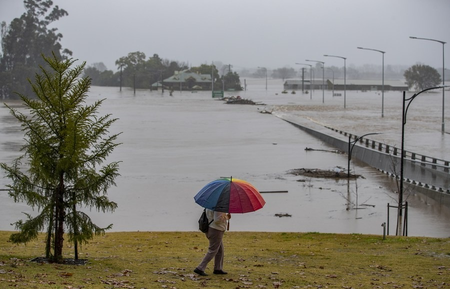
The death toll from a melioidosis outbreak in northern Queensland has risen to 31, as reported by the Australian Broadcasting Corporation (ABC) citing data from the Queensland Health Department. The outbreak has been linked to record-breaking rainfall and subsequent flooding earlier this year.
According to health authorities, one additional death occurred in the past week in Townsville, bringing the state’s total fatalities for 2025 to 31. Four new cases were also reported—one in Townsville and three in Cairns—raising the total number of confirmed cases this year to 221. This marks a sharp increase of 163 cases compared to the same period in 2024.
The cities of Townsville, Cairns, and surrounding regions experienced unprecedented rainfall in February, resulting in widespread flooding. The extreme weather is believed to have contributed to the spread of Burkholderia pseudomallei, the bacterium responsible for melioidosis, which is commonly found in soil and surface water in tropical regions of Southeast Asia and northern Australia. Following heavy rainfall, the bacteria can become airborne, increasing the risk of infection.
Dr. Steven Donohue, Director of the Townsville Public Health Unit, stated that while the outbreak appears to be slowing as weather conditions stabilize, the disease remains a significant threat, particularly to vulnerable populations such as the elderly and those with underlying health conditions.
“Melioidosis is a serious disease, and unfortunately, fatalities are not uncommon in severe cases,” Dr. Donohue told the ABC. “The good news is that cases have slowed down significantly, and we believe the outbreak is probably over.”
Queensland Health has reiterated its advisory for residents in affected areas to remain vigilant. Symptoms of melioidosis can include fever, cough, difficulty breathing, muscle aches, swelling, and skin ulcers. In severe cases, the infection can spread throughout the body, potentially leading to septicemia and death.
The incubation period for melioidosis typically ranges from 1 to 4 weeks after exposure, though symptoms may appear months or even years later. This variability, along with the disease’s ability to mimic other conditions, makes early diagnosis difficult.
Authorities continue to urge residents to take preventive measures, including wearing protective footwear, gloves, and masks when in contact with muddy water or soil, and when using high-pressure water equipment.
Melioidosis is considered rare, but outbreaks such as this underscore the importance of public health awareness and preparedness, especially in regions prone to tropical weather extremes.
Recent Random Post: