









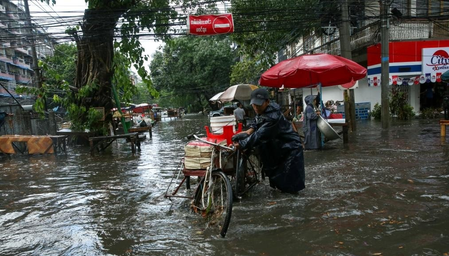
The Ministry of Health in Myanmar has intensified preventive efforts to curb the outbreak of acute diarrhoea, particularly during the upcoming rainy season, according to a report by state-owned Myanmar Radio and Television (MRTV) on Thursday.
In a public advisory, the ministry outlined essential hygiene and sanitation measures aimed at reducing the incidence of acute diarrhoea. Key recommendations include thorough handwashing before and after food preparation, after handling dirt or waste, and following toilet use. The public is also urged to maintain personal hygiene, utilize sanitary toilet facilities, consume boiled water, eat fully cooked foods, and keep food covered to prevent contamination by flies.
While acute diarrhoea can occur year-round, the ministry highlighted its increased prevalence during the monsoon period and the latter part of the rainy season. Myanmar’s rainy season typically spans from mid-May through October, a period historically associated with spikes in diarrhoeal diseases.
The ministry emphasized the critical role of clean food, clean hands, clean water, and clean toilets in preventing diarrhoea outbreaks. Data from 2024 reveals that Yangon Region, Ayeyarwady Region, and Mon State have reported the highest number of acute diarrhoea cases. In response, the Ministry of Health is actively conducting public awareness campaigns, closely monitoring high-risk areas, and bolstering the readiness of public hospitals to provide timely treatment if needed.
The World Health Organization (WHO) identifies diarrhoeal disease as the third leading cause of death among children under five globally, responsible for approximately 443,832 child fatalities annually. Diarrhoea often results in severe dehydration and electrolyte imbalances, which are primary contributors to mortality. In recent years, septic bacterial infections have also emerged as significant factors in diarrhoea-related deaths. Vulnerable populations, including malnourished children, individuals with compromised immune systems, and people living with HIV, are particularly at risk of life-threatening complications.
The Ministry of Health’s comprehensive approach aims to mitigate the impact of acute diarrhoea during the rainy season through community education, improved sanitation practices, and enhanced healthcare preparedness.
Recent Random Post: