








Recent Random Post:
Ajith Kumar Faces Project Delays Due to High Remuneration Demands
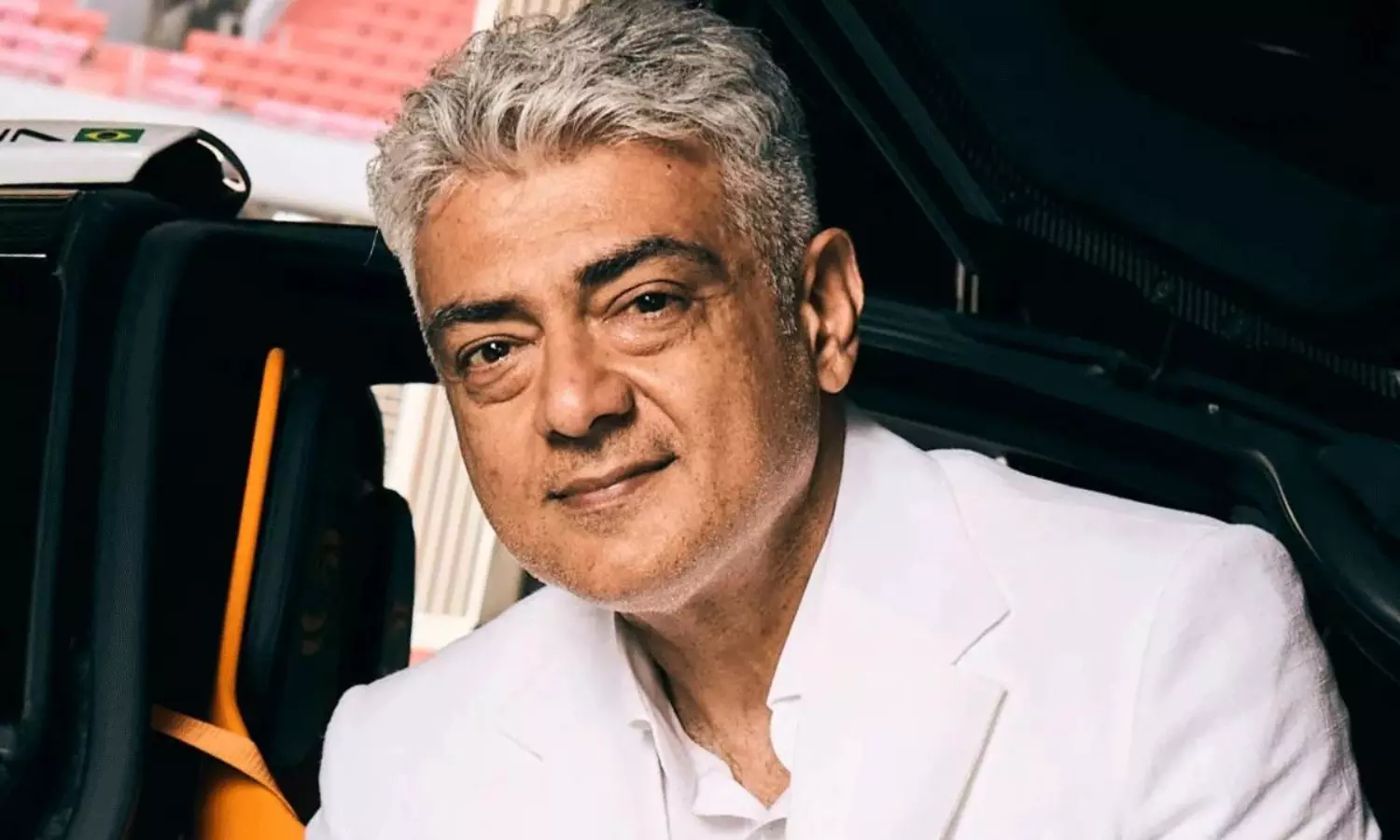
Tamil superstar Ajith Kumar remains one of the biggest names in South Indian cinema, boasting a loyal fan base and a string of successful films. However, recent reports indicate that the actor is facing challenges in signing new projects due to his exceptionally high remuneration demands.
Ajith is reportedly asking for a salary in the range of ₹160–200 crore per film, a figure that has made many producers hesitant. With the film industry currently facing instability, producers are increasingly cautious about managing large budgets and taking financial risks.
A notable example is Mythri Movie Makers, which previously collaborated with Ajith on Good Bad Ugly. Despite interest in working with him again, the makers reportedly stepped back due to his high pay demands. It is not just Telugu producers; even some Tamil producers who approached Ajith for new projects have reconsidered because of his salary expectations, especially in a climate where returns are uncertain.
Another challenge for producers is the decline in non-theatrical revenues from OTT and satellite rights, which previously helped recover significant investments. With these revenue streams now less lucrative, investing heavily in star salaries has become more difficult. Talks of a potential project with a Telugu producer are reportedly on hold, likely due to financial concerns.
Industry sources suggest that Ajith may need to adjust his remuneration if he wants to secure new projects quickly. Otherwise, he may have to wait longer for the right opportunity. The coming months will be crucial in determining the next steps for the superstar.