




Middle East War: పశ్చిమాసియాకు చేరుకున్న 3500 మంది మెరైన్స్, సెయిలర్స్
Rishab Shetty Unfollows Co-Stars & Hombale Films, Sparks Buzz
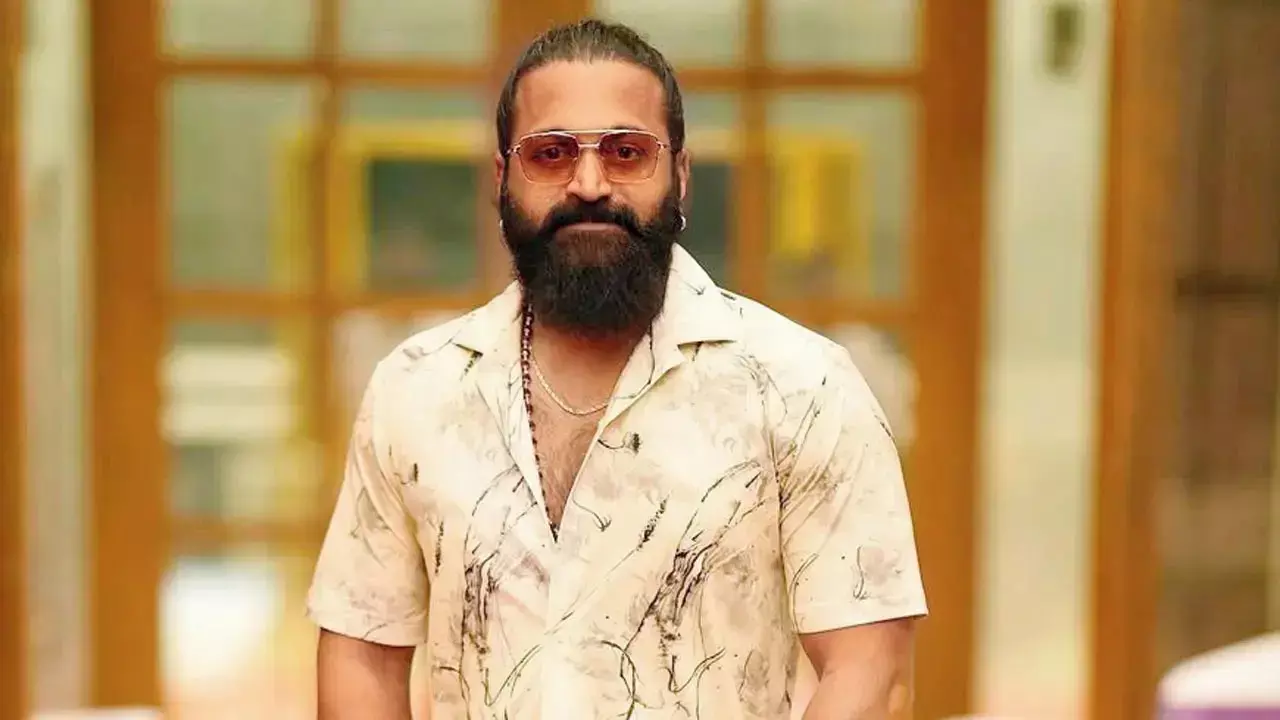
Actor Rishab Shetty has recently been in the spotlight following the success and buzz around Kantara: Chapter 1, where he played a dual role as both director and lead actor.
Amid this momentum, reports have surfaced suggesting that the Sandalwood star has unfollowed several of his former collaborators on social media. According to these reports, he has removed co-stars Rukmini Vasanth and Raj B. Shetty from his Instagram following list. Additionally, he is said to have unfollowed Hombale Films, the production house behind Kantara.
While no official clarification has been given regarding these actions, the move has triggered speculation about possible differences within the team. Interestingly, Rishab Shetty continues to follow Vijay Kiragandur, the head of Hombale Films, on social media.
On the work front, Rishab Shetty is next set to appear in Jai Hanuman, directed by Prashanth Varma. The film was officially launched last month in Hampi and is already generating strong interest among fans.
Anil Ravipudi–Dil Raju Split Rumors: Venky Project Gets New Producers
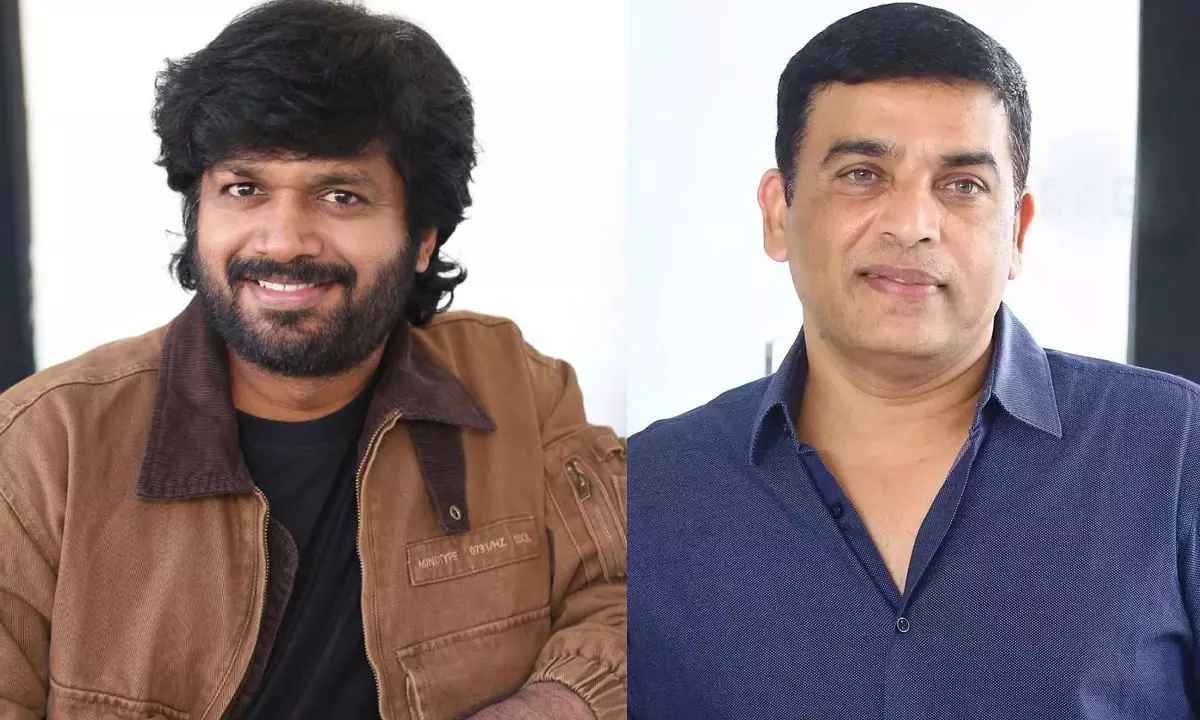
Director Anil Ravipudi shares a strong and successful association with producer Dil Raju, having delivered several blockbuster films under his banner. However, their once fruitful collaboration is now said to have experienced some unexpected changes in recent times, though neither has officially commented on the matter.
Although Anil Ravipudi had earlier confirmed a new project featuring Venkatesh and Kalyan Ram without revealing the producer’s name, it was widely believed that Dil Raju would back the film. Given their successful track record with films like F2, F3, Sarileru Neekevvaru, Raja The Great, and Sankranthiki Vasthunnam, many expected the partnership to continue.
However, recent developments indicate that Dil Raju is no longer associated with this project. Instead, Venkatesh’s Suresh Productions and Shine Screens (Sahu Garapati) have come on board as producers for the Venky–Kalyan Ram–Anil Ravipudi film.
This unexpected shift has sparked discussions in the industry about why Dil Raju stepped away. Some reports suggest that he is currently focusing on limiting high-budget projects. Others speculate that Venkatesh’s production house preferred handling the film independently, especially since Suresh Productions already has strong production and distribution capabilities.
While the exact reason remains unclear, the change has certainly raised curiosity in the industry regarding the evolving dynamics between Anil Ravipudi and Dil Raju.
Allu Arjun Birthday: Atlee Film Title Reveal Expected on April 8
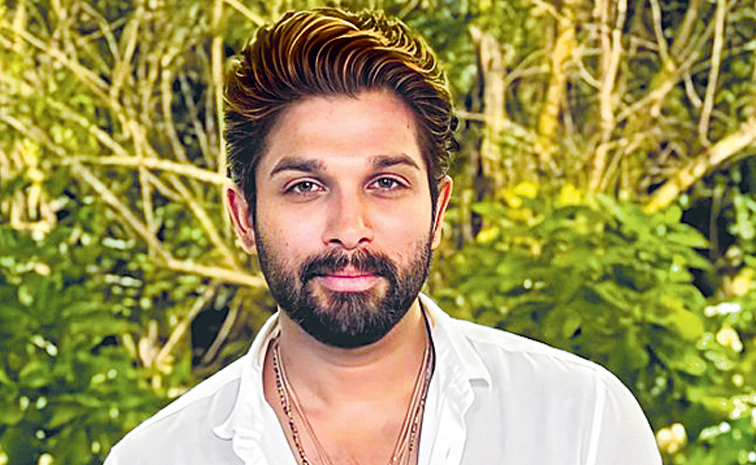
Allu Arjun is set to celebrate his birthday on April 8, and fans are eagerly waiting to see if director Atlee will unveil any special content on the occasion.
There is strong speculation that the title of their much-awaited film could be announced on this day. However, it is still unclear whether it will be revealed through a teaser video or a simple title announcement.
Sources suggest that Atlee is currently unsure whether the final promotional content will be ready in time for the birthday release. Fans are now hoping for an official update that could make the celebration even more special.
Lenin Release Date Postponed to June 26, 2026 to Avoid Peddi Clash
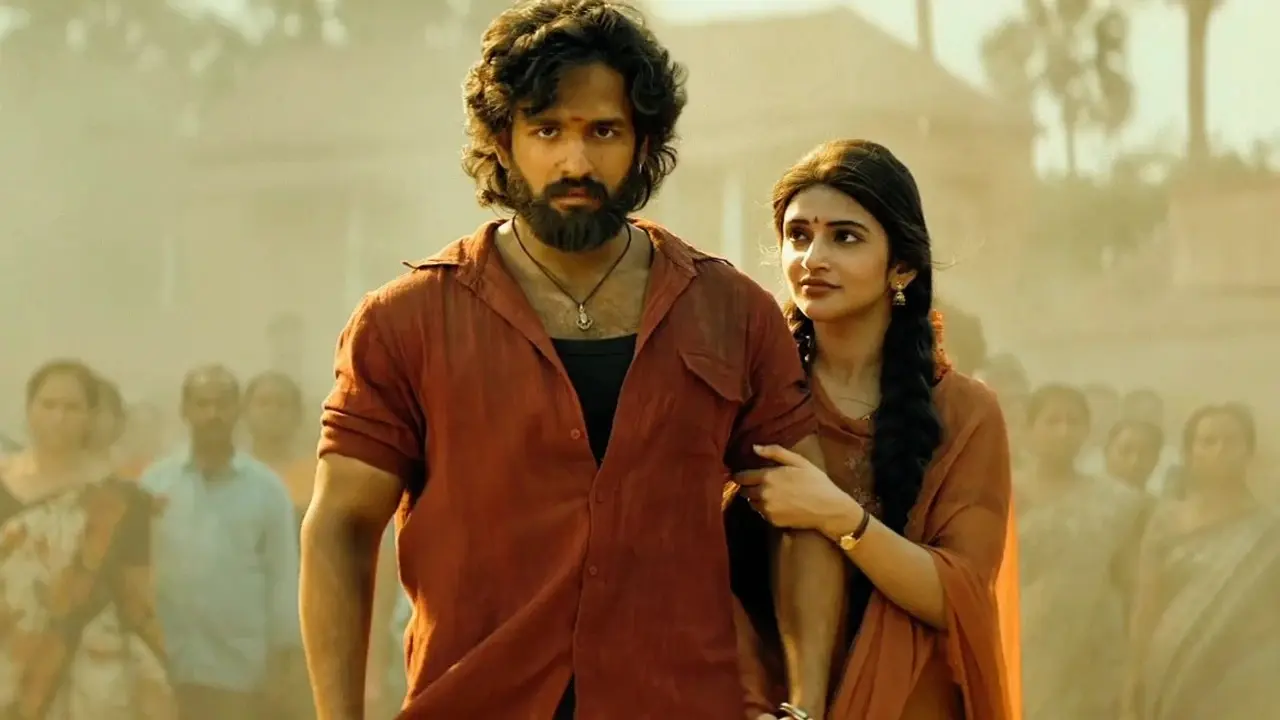
The makers of Lenin have officially revised the film’s release date, moving it from May 1 to June 26, 2026.
According to reports, the decision was taken to avoid a potential box office clash with Ram Charan’s Peddi, which is scheduled for release on April 30.
Directed by Murali Kishor Abburu, Lenin is said to offer an emotionally engaging cinematic experience, with music composed by Thaman S. The film’s first single, “Vaareva Vaareva,” has already become a chartbuster, further boosting expectations.
The makers are planning to intensify promotional activities from May onwards to build strong buzz ahead of release.
Bhagyashree Borse plays the female lead in the film. Lenin is jointly produced by Akkineni Nagarjuna and Suryadevara Naga Vamsi under Manam Enterprises LLP and Sithara Entertainments, and is presented by Annapurna Studios.
The technical crew includes editor Navin Nooli and cinematographer Leon Britto.
Vijay’s Jana Nayagan Faces Delays Amid Censor and OTT Issues
Vijay’s upcoming film Jana Nayagan is reportedly facing continuous delays, and fans may have to wait longer than expected for its release. The film, said to be one of Vijay’s final projects, has generated huge curiosity and expectations among audiences.
Initially planned for a January release, the film was delayed due to censor-related issues and is still awaiting its certification. However, latest updates suggest that these hurdles may be cleared soon, paving the way for approval from the censor board.
Earlier reports indicated that Jana Nayagan might release in May, possibly in the first or second week, ahead of the Tamil Nadu Assembly Elections. Since big releases are usually avoided during election periods due to concerns over theatre occupancy and promotions, the team was exploring a suitable release window.
However, the situation appears to have changed again. Production house KVN Productions is now considering further postponement due to their packed schedule. The banner has heavily invested in multiple big projects, including Toxic and KD: The Devil, and is reportedly prioritizing those releases before Jana Nayagan.
Adding to the delay concerns, reports suggest that a leading OTT platform, Amazon, has stepped back from acquiring the digital rights due to repeated postponements. The makers are now in talks with other platforms to finalize a new OTT deal before locking the release date.
Only after completing these arrangements will the team decide on a new theatrical release window. Directed by H. Vinoth, the film stars Vijay, Pooja Hegde, and Mamitha Baiju in key roles.
Adivi Sesh Dacoit Second Single Chicchubuddi Out, Sets Party Vibes High
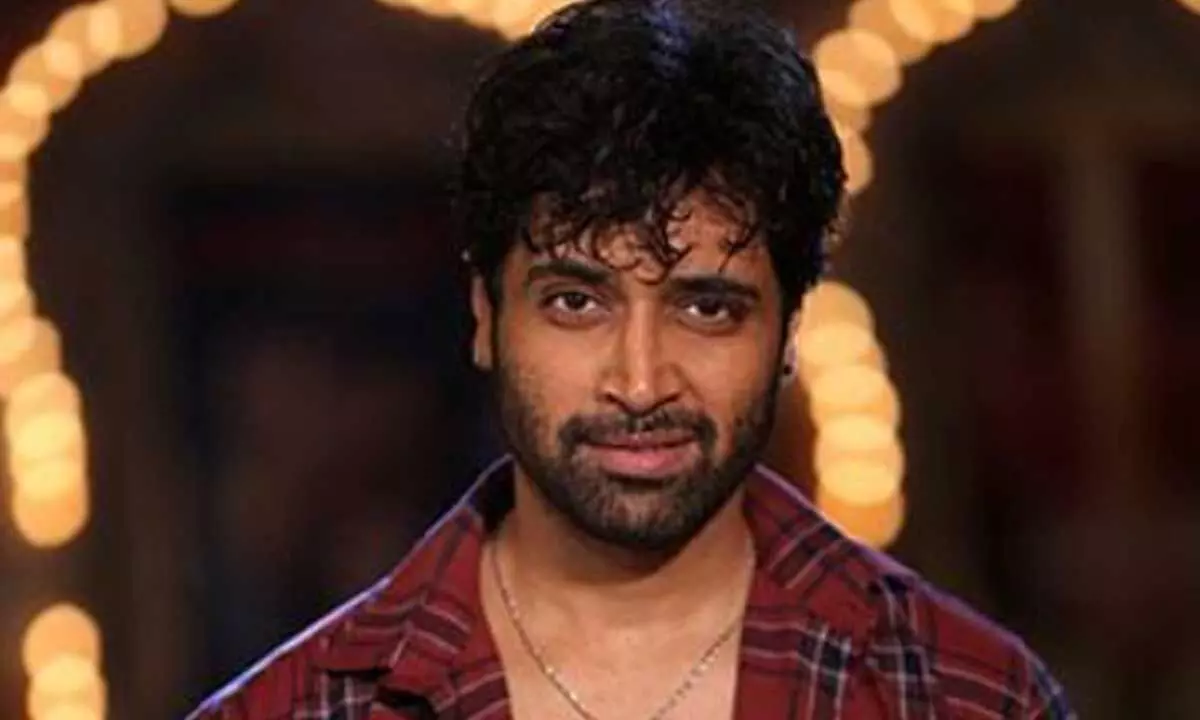
Adivi Sesh is gearing up for the release of his pan-India action-romantic thriller Dacoit, which is set to hit theatres on April 10.
The film stars Mrunal Thakur opposite Sesh and marks the directorial debut of Shaniel Deo. After the first single introduced a soulful romantic vibe, the team has now released the second single titled “Chicchubuddi”, which is special as it showcases Adivi Sesh dancing on screen for the very first time.
Composed by Bheems Ceciroleo, the song takes a high-energy turn with a mass, foot-tapping number. Jonita Gandhi impresses with her glamorous screen presence and lively dance moves, adding extra charm and energy to the track.
The song also features a surprise appearance by Bhojpuri star Pawan Singh, who joins the celebratory number, adding a unique flavor to the track. Mounted on a grand set, the song is designed with vibrant, festive-style choreography.
Bhaskarabhatla Ravikumar’s lyrics are playful, youthful, and slightly seductive, perfectly matching the visual appeal of the song. The powerful vocals of Ram Miriyala and Jonita Gandhi further elevate the track, making “Chicchubuddi” a strong contender for a party anthem.
With its energetic beat, colorful visuals, and Adivi Sesh’s surprising dance debut, Chicchubuddi is expected to quickly climb music charts and playlists.
Pawan Kalyan Opposes Regional Divide Remarks in Andhra Pradesh Assembly Debate
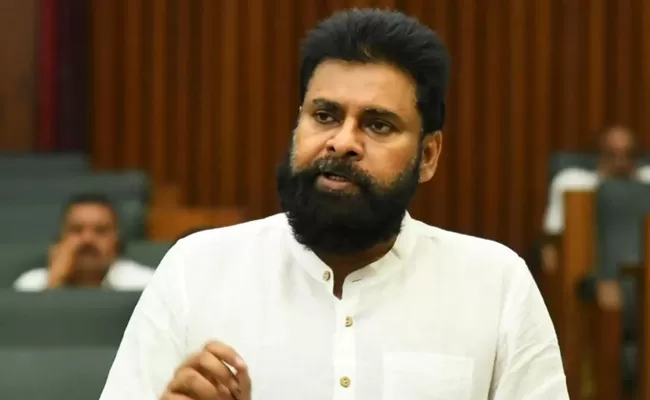
Andhra Pradesh Deputy Chief Minister and Jana Sena Party president Pawan Kalyan on Saturday expressed his disagreement with remarks made by TDP general secretary and IT Minister Nara Lokesh regarding references to regional divisions within the state.
During the Assembly debate on the resolution seeking statutory backing for Amaravati as the state capital, Pawan Kalyan voiced his objection while responding to Lokesh’s speech.
Lokesh, while participating in the discussion, had referred to the developmental needs of different regions such as Uttarandhra and Rayalaseema. Reacting to this, Pawan Kalyan stated that such references to regional divisions should be avoided and stressed the importance of focusing on the overall development of Andhra Pradesh.
He cautioned against framing issues in a way that could deepen internal divisions within the state. “Such an approach will weaken Andhra Pradesh at a time when it needs a unified voice to secure its rightful share from the Centre. Nobody can save the state if we start dividing ourselves on regional lines,” he said.
The Deputy Chief Minister further remarked that a “sub-division mindset” should not be encouraged and questioned the logic of viewing different parts of the state separately. He emphasized that if leaders project Andhra Pradesh as “one land, one state, one language, and one people,” the state’s collective strength would increase.
Pawan Kalyan also said he has always believed in a larger Telugu identity and does not view Andhra Pradesh and Telangana in an emotional divide. He recalled extending support to N. Chandrababu Naidu in 2014 out of respect for Andhra Pradesh and reiterated that the Jana Sena Party has consistently supported Amaravati as the capital.
Nani’s Strategy Works, But Copycat Attempts Fail in Film Industry
Sometimes, it is important to think carefully before speaking. Just because a certain idea works once does not mean it will work every time or for everyone. In the film industry, success depends on trust, timing, and the emotional connection with the audience. If a successful strategy is copied without understanding the reason behind its success, it can easily fail.
This is exactly what is being observed now, where one person’s confidence brought positive results, but the same approach did not work for others.
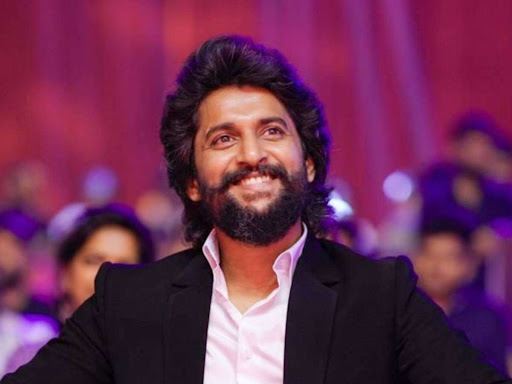
Actor Nani surprised everyone with a bold statement when he asked audiences not to watch his upcoming film HIT 3 if they did not like his production venture Court. This statement gained massive attention and created strong curiosity among viewers.
As a result, Court opened to a very good response at the box office and went on to become a successful small-budget film. Many believed that Nani’s confidence and credibility played a key role in pulling audiences to theatres.
Following this, a few others in the industry tried to adopt a similar approach. Actor Priyadarshi made a comparable statement for his film Mithra Mandali, but the film failed to perform well and received a poor box office response. He later even apologized to the audience at another event. Similarly, writer Kona Venkat also attempted this strategy during the pre-release event of Band Melam, urging audiences not to watch his future films if they didn’t like this one. However, the film turned out to be a disaster, and the statement did not help attract viewers.
This clearly shows that such strategies do not work universally. In Nani’s case, the approach succeeded because he has built strong trust with the audience over the years through consistent performances and careful script selection. People believed his confidence and supported his film.
On the other hand, when others tried the same method, the audience did not respond in the same way. Viewers perceived it as desperation rather than genuine confidence. This proves that success in the film industry cannot be copied. Every actor must build their own identity and earn audience trust in an authentic way.
JD Vance–Netanyahu Call Report Sparks Debate Over Iran War Strategy
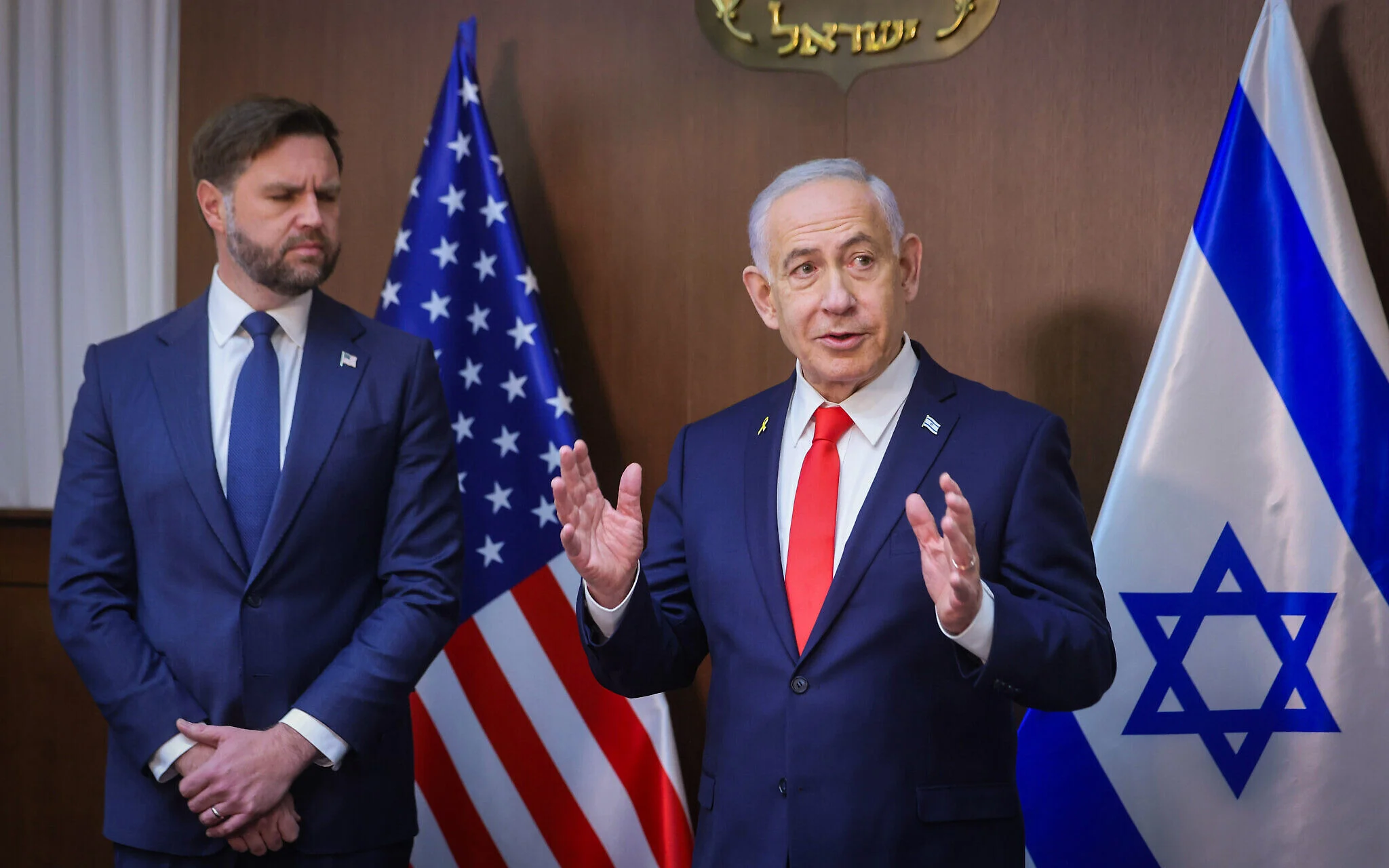
It is already known that the ongoing conflict between Iran and the United States has begun to impact global affairs. Now, a shocking new development has emerged regarding a reported phone conversation involving JD Vance and Benjamin Netanyahu.
According to reports, the call is said to have revealed growing unease between the United States and Israel over the ongoing situation with Iran.
In the discussion, Vance reportedly questioned Netanyahu’s earlier assessments about how the war might unfold, particularly the claims that internal unrest in Iran could quickly weaken the regime. He is believed to have expressed concern that some of those projections may have been overly optimistic and could have influenced Washington’s early evaluation of the conflict.
The report further suggests that this exchange has sparked quiet discussions within American policy circles about whether the realities on the ground align with initial expectations. It also mentions that sections of Israeli media reacted strongly after details of the conversation surfaced, although officials from both sides have publicly downplayed the matter.
Despite these reports of tension, both governments continue to maintain that their strategic partnership remains strong and coordinated. Public statements from Washington and Tel Aviv emphasize unity in military objectives and long-term regional security goals. Observers note that such candid exchanges are not uncommon between close allies during times of conflict, especially when situations become more complex than initially anticipated.
Sharwa’s Biker Movie: Powerful Racing Drama Set for April 3 Release
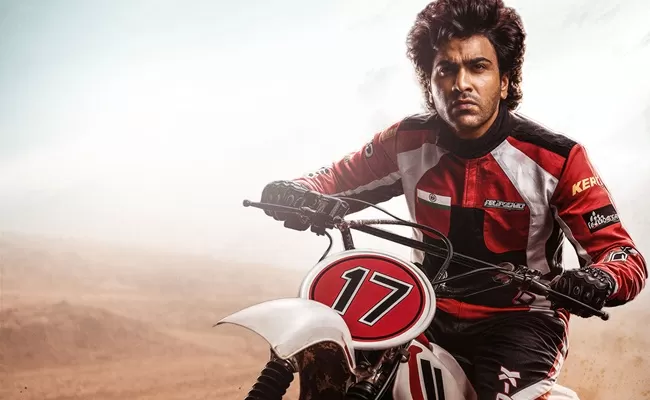
Charming star Sharwa is all set to appear as a professional motorcycle racer in his upcoming film Biker, directed by Abhilash Reddy under the UV Creations banner. The film is gearing up for a grand theatrical release on April 3rd.
Director Abhilash Reddy says Biker is designed to deliver a complete 100% theatrical experience. “We shot the film in Dolby Vision. Everyone who watched the trailer especially appreciated the sound design. The film will offer a powerful big-screen ride,” he said.
The story spans across two timelines. “In the 90s, two-stroke bikes were very popular, but they no longer exist today. Recreating them took a lot of effort. We shot the racing sequences in Indonesia, and bringing those bikes back to India was a huge process. We also roped in racers from New Zealand and Australia,” he added.
He further revealed the real inspiration behind the story. “India had a veteran racer named Shyam Kothari, but he never received the kind of fame that Kapil Dev earned in cricket. My intention was to highlight that a talent like Shyam Kothari deserves similar recognition. Though the story is fictional, some racing elements are inspired by real events,” he explained.
Abhilash also praised Sharwa’s remarkable transformation. “Sharwa lost nearly 23 kg for this role. From the moment I narrated the story, we were clear about the biker’s look. He took a six-month break to prepare physically and mentally. His performance is outstanding. Even he feels this is the best film of his career, and we are confident it will be a blockbuster.”
Trump’s Sharp Remarks Escalate US–Iran Tensions Amid Ongoing Conflict
U.S. President Donald Trump, known for his aggressive and hardline political stance, has once again made strong remarks amid the ongoing hostilities. His latest comments have further intensified the already heated situation between the United States and Iran.
In his recent statement, Trump sharply criticized Iran’s leadership, stating that their actions have led to serious consequences and that the United States will not step back from its objectives. His remarks were widely interpreted as both a warning and a provocation, reflecting Washington’s tough position as the conflict continues.
These comments come at a time when military and political tensions between the two sides are escalating simultaneously. Observers believe such strong rhetoric is aimed not only at Iran but also at reinforcing the U.S. position on the global stage.
In response, Iranian officials and military representatives rejected the remarks, maintaining a defiant stance and asserting that they will continue to resist external pressure. This ongoing exchange of statements has further escalated the already volatile situation, where diplomatic communication is increasingly overshadowed by confrontational rhetoric.
Even as tensions rise, this war of words highlights how leadership statements are becoming a crucial element of the broader U.S.–Iran confrontation.