











Canada has revamped its immigration strategy for 2026, focusing on sustainability while stepping up efforts to attract skilled global talent. As competition for qualified workers intensifies, Ottawa is recalibrating its Express Entry system to address critical labour shortages and enhance economic resilience.
Lena Metlege Diab, Minister of Immigration, Refugees and Citizenship, announced the 2026 categories under the Express Entry program, aimed at inviting candidates with skills and experience needed in key sectors across the country. New categories include foreign medical doctors with Canadian work experience, researchers and senior managers with Canadian work experience, candidates with experience in transport occupations such as pilots, aircraft mechanics, and inspectors, as well as highly skilled foreign military applicants recruited by the Canadian Armed Forces in roles like military doctors, nurses, and pilots.
The Immigration, Refugees and Citizenship Canada (IRCC) will continue draws for candidates with strong French language skills and those in categories maintained from 2025, including healthcare and social services positions such as nurse practitioners, dentists, pharmacists, psychologists, and chiropractors, as well as skilled trades like carpenters, plumbers, and machinists.
Express Entry remains Canada’s flagship system for applicants seeking permanent residence through the Federal Skilled Worker Program, Federal Skilled Trades Program, Canadian Experience Class, and certain streams of the Provincial Nominee Program. The first invitation round for foreign medical doctors with Canadian work experience is expected soon. The Canadian Experience Class will continue through early 2026, prioritizing candidates already contributing to the economy, alongside draws for the French-proficiency category.
The government emphasized that these updates are part of broader efforts to strengthen economic resilience, support critical sectors such as healthcare, research, and defence, and align with Canada’s Defence Industrial Strategy.



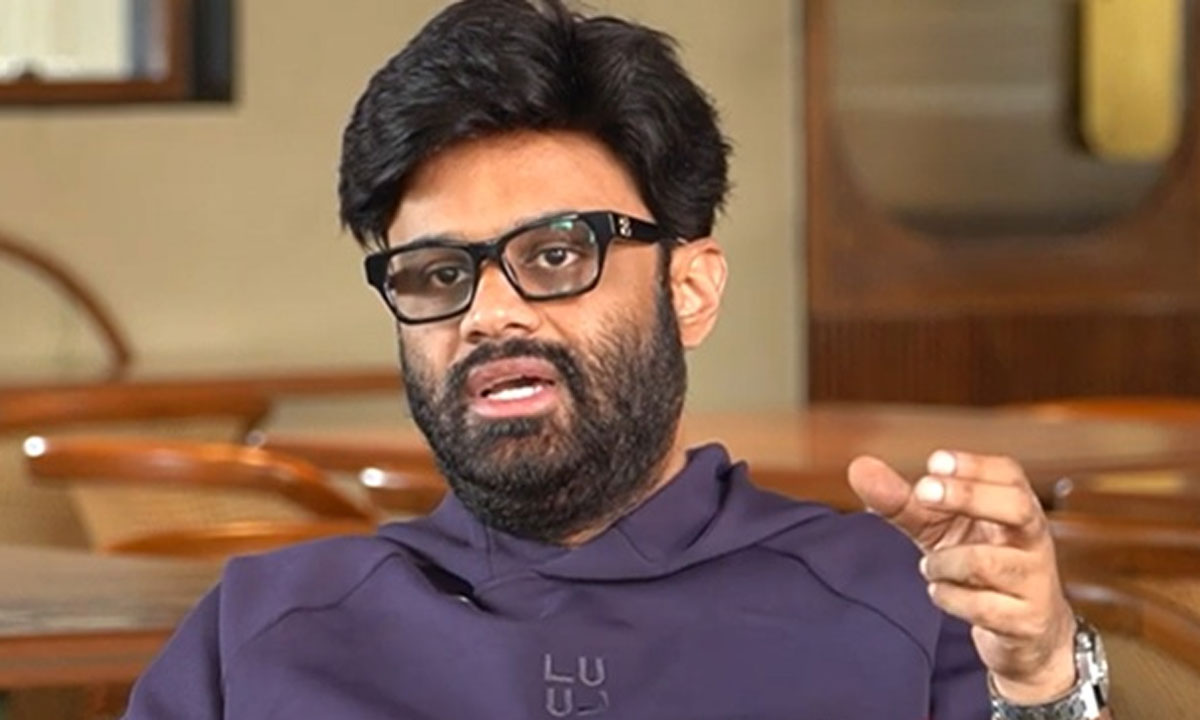














Dil Raju: “Producers No Longer Command Authority”
On the occasion of legendary producer Atluri Purnachandra Rao’s 90th birthday celebrations, Dil Raju made some striking observations about the changing dynamics of the film industry. Speaking openly from the dais, he remarked that the era when producers commanded authority and respect seems to have faded away.
He pointed out that traditionally, producers were the ones who invested money and created opportunities, while artistes received remuneration and recognition. In that system, those who “took” respected those who “gave.” But today, according to him, the trend appears reversed, with artistes increasingly commanding producers.
His comments have drawn attention because they reflect a widely discussed reality in today’s hero-driven industry. Producers often shoulder the financial burden and risks of filmmaking, yet star heroes tend to wield significant influence over creative and commercial decisions. From selecting heroines and directors to approving music composers and technicians, many key choices are often centered around the lead actor.
However, industry observers argue that this situation did not emerge overnight. There was a time when towering stars like N. T. Rama Rao and Akkineni Nageswara Rao enjoyed massive fan followings, yet they functioned within a system where producers maintained command and final authority. The shift, many believe, happened gradually as producers themselves began accommodating the growing demands and preferences of star heroes.
By consistently yielding to star power and prioritizing market-driven decisions, producers may have inadvertently strengthened the very imbalance they now question. That is why Dil Raju’s remarks are being interpreted by some not as a plea for sympathy, but as a reflection of “swayam krutaparadham” — a situation shaped by one’s own actions.
His candid words have once again reignited debate about power structures in the film industry and whether a healthier balance between creative control and financial responsibility can be restored.