







సినీరంగం అభివృద్ధికి ప్రయత్నిస్తున్న పవన్ సినిమాకే అడ్డంకులా? | Five @ 5
‘Devils Around KCR’: Kavitha’s Explosive Claims Stir Storm Within BRS
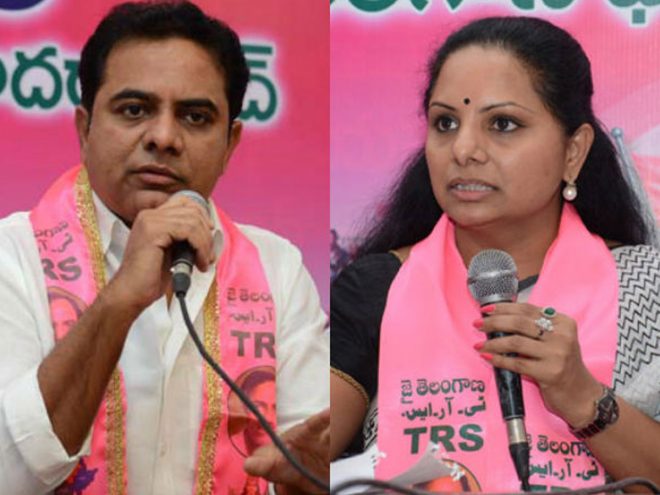
Bharat Rashtra Samithi (BRS) working president and former Telangana minister K. T. Rama Rao (KTR) has attempted to downplay the significance of a letter reportedly written by his sister and MLC Kalvakuntla Kavitha to their father, BRS party president K. Chandrashekar Rao (KCR). In the letter, Kavitha is said to have raised serious concerns about the internal functioning of the party.
On Friday night, Kavitha confirmed authoring the letter but clarified that it was not a criticism of the leadership. Instead, she said, it reflected the concerns of ordinary party workers.
KTR responded by calling the letter “not a big deal” and emphasized that all members in the BRS are equal. “Anyone can offer suggestions to KCR,” he said, reiterating that the party follows a democratic culture where such communications are not uncommon.
However, KTR also maintained that internal party matters should be discussed privately and not aired publicly. Responding to Kavitha’s claim about “covert actors” within the party, he said, “Every party has covert elements. When the time comes, they will be exposed.”
His cautious and general responses appeared to avoid directly addressing the concerns raised in Kavitha’s letter, possibly under instruction from KCR. KTR’s reluctance to engage deeply with the letter’s contents left several important questions unanswered.
Notably, neither KTR nor the party has explained why BRS leaders and members have been distancing themselves from Kavitha during her visits to party districts or even her own residence. Sources revealed, “Just a few months ago, senior BRS leaders and MLAs visited her frequently. Now, not a single one is seen.”
Even during her recent arrival at Hyderabad’s international airport, there were no party banners, supporters, or BRS leaders present to welcome her — a marked departure from previous receptions. Only members of her Telangana Jagruthi organization were in attendance.
The party has also remained silent on Kavitha’s claim that KCR is surrounded by conspirators and negative influences. KTR notably sidestepped questions about these alleged “devils” around KCR, offering no clarification.
These developments are being seen by many as part of a larger strategy by the BRS leadership to isolate Kavitha and pressure her into stepping away from the party voluntarily.
Bangladesh Interim Govt Cites Conspiracy Amid Election Roadmap Demands
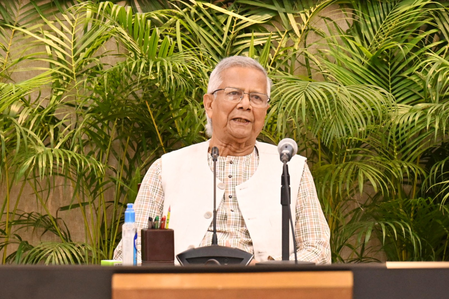
Confronting mounting political tensions and a deepening national crisis, Bangladesh’s interim government, led by Chief Advisor Muhammad Yunus, has alleged that “defeated forces” and a “foreign conspiracy” are actively working to undermine the administration’s efforts, creating widespread confusion and hampering its ability to function effectively.
Yunus, who chaired an unscheduled two-hour meeting of the Advisory Council on Saturday at the Planning Commission office in Dhaka, addressed the nation’s increasingly volatile political landscape. The meeting was convened as speculation intensified regarding the stability of the interim government and Yunus’s own position, amid reports that he had considered stepping down.
In a strongly worded statement following the meeting, the Advisory Council said, “Despite all obstacles, the Interim Government continues to fulfil its responsibilities by placing national interest above partisan concerns. However, if — under the instigation of defeated forces or as part of a foreign conspiracy — these responsibilities become impossible to execute, the government will present all reasons to the public and take appropriate steps with the people’s support.”
The council criticized what it termed as “unreasonable demands, jurisdictionally overreaching statements, and disruptive programmes” that have obstructed governance and sowed public distrust. The statement underscored the government’s commitment to its three primary responsibilities: ensuring free and fair elections, implementing reforms, and upholding justice.
The meeting of the Executive Committee of the National Economic Council also reviewed these mandates in detail. The Council emphasized that national stability and the prevention of authoritarian resurgence require broad political unity.
“The Advisory Council believes that a broader unity is essential to maintain national stability, organise free and fair elections, deliver justice, and enact reforms,” the statement added. “On these matters, the Interim Government is open to listening to the views of political parties and will clarify its own position.”
Amid escalating pressure from key political actors, including the Bangladesh Nationalist Party (BNP) and the newly formed National Citizen Party (NCP), there have been growing calls for a clear electoral roadmap. In response, Planning Advisor Wahiduddin Mahmud told local media, “We are not going anywhere until our job is done. The future of the country depends on our work. We cannot abandon this responsibility.”
Simultaneously, meetings between Yunus and leaders from BNP and Bangladesh Jamaat-e-Islami were confirmed by the Chief Advisor’s press wing. These discussions are aimed at defusing political tensions and navigating a path forward. BNP leaders stated they would press Yunus to announce an election roadmap within 2025 and accelerate the reform process.
Political unrest, rising crime, and public protests have marred the interim government’s tenure since its inception in August 2024. The BNP has warned of intensified street demonstrations if a timeline for elections is not announced soon.
In a related development, Bangladesh Army Chief General Waker-Uz-Zaman reiterated that the national election must be held by December 2025, with a democratically elected government in place by January 1, 2026.
The coming weeks are expected to be critical in shaping Bangladesh’s democratic future, as the interim administration navigates increasing domestic and international pressure to ensure a transparent and timely electoral process.
Germany: A Top Destination for Indian Students Seeking Global Careers

Germany has rapidly emerged as a top choice for Indian students aspiring to receive a world-class education and launch global careers. In the 2023–2024 winter semester alone, nearly 50,000 Indian students were enrolled in German universities, making them the largest international student group in the country.
This remarkable growth is driven by Germany’s reputation for academic excellence, innovative practical learning models, affordability, and generous post-study work opportunities.
Why Choose Germany?
Germany boasts a strong academic legacy, being home to over 80 Nobel laureates and consistently ranking among the world’s premier education hubs. Notably, eight German universities were featured in the Times Higher Education World University Rankings 2025 Top 100 list.
A distinct feature of German higher education is its emphasis on applied learning. Universities of Applied Sciences offer dual education models that combine theoretical knowledge with hands-on industry experience. This ensures that graduates not only earn a degree but also develop strong, employable skills aligned with global market needs.
Affordable and Student-Friendly Environment
Germany’s public universities offer low or no tuition fees—even for international students—making it one of the most cost-effective study destinations. The overall cost of living is significantly lower than in countries such as the United States or the United Kingdom. Students can also benefit from a variety of scholarships, including the DAAD (German Academic Exchange Service) and the Deutschlandstipendium, which provide valuable financial support.
“Germany offers not only high-quality education but also a supportive ecosystem for international students,” notes Saif Iqbal, Vice President at ApplyBoard.
Promising Post-Study Prospects
Germany’s robust economy and high demand for skilled professionals, especially in STEM (Science, Technology, Engineering, and Mathematics) fields, provide Indian graduates with ample employment opportunities. International graduates can apply for an 18-month post-study work visa to explore job prospects in their field of study. Additionally, students are allowed to work up to 20 hours per week during their academic program.
Visa Process for Indian Students
Indian nationals are required to obtain a student visa before entering Germany. Depending on the purpose and duration of stay, three types of visas are applicable:
Schengen Visa (C Visa): For short-term stays, such as language courses (non-extendable).
National Visa (D Visa): For long-term academic programs.
Prospective Student Visa: For individuals who have not yet secured admission but intend to attend entrance exams or interviews.
Visa Requirements Include:
Valid passport
Admission letter from a recognized German institution
Proof of funds through a blocked account (minimum €11,208)
Valid health insurance
Academic transcripts and a well-crafted Statement of Purpose
Biometric photographs and completed visa application forms
Platforms like Coracle and Expatrio—available through ApplyBoard—enable students to open blocked accounts swiftly through digital, fast-track processes.
Once an appointment is scheduled with the German Embassy or Consulate, applicants must attend a visa interview with two complete sets of documents. It is strongly recommended to apply at least three months in advance.
Important Update: Starting July 1, 2025, informal appeals against visa rejections will no longer be accepted. Accurate and complete documentation is therefore critical.
Arrival and Residence Formalities
Within two weeks of arriving in Germany, students must register their address at the Residents’ Registration Office and apply for a residence permit. In addition, they must:
Open a standard bank account
Ensure continuous health insurance coverage
AI Avatars Take the Lead in Tech Earnings Calls
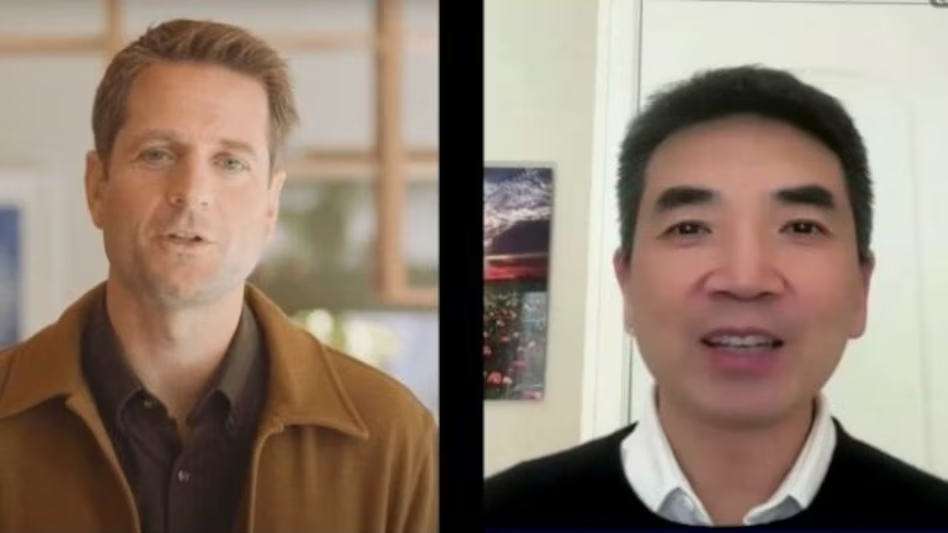
In a striking demonstration of how artificial intelligence is reshaping corporate communications, tech industry leaders are increasingly turning to AI-generated avatars to deliver quarterly earnings updates.
Buy-now-pay-later leader Klarna recently showcased this innovation by featuring an AI-generated version of CEO and co-founder Sebastian Siemiatkowski in a video presentation of its Q1 2025 results. In the 83-second clip—first spotlighted by TechCrunch—the avatar introduced itself with the line: “It’s me, or rather, my AI avatar.” Klarna has been vocal about its strategic use of AI, with Siemiatkowski telling CNBC that AI investments have led to greater efficiency and a leaner workforce. This isn’t the company’s first foray into digital representation; Klarna has previously deployed an AI version of its CEO for company announcements.
Similarly, Zoom CEO Eric Yuan utilized his own AI-generated likeness for the company’s Q1 2026 earnings presentation. Powered by Zoom’s AI Companion, Yuan’s digital twin delivered prepared remarks via Zoom Clips, marked clearly with a “created with Zoom AI Companion” label. While the avatar handled the formal presentation, the real Yuan joined the live Q&A session, expressing strong support for the technology: “I truly love my AI-generated avatar. I think we are going to continue using that. I can tell you, I like that experience a lot.”
These developments reflect a broader shift in executive communication strategy, where AI-powered digital twins are beginning to take over routine presentations, allowing human leaders to focus on high-value interactions. As AI tools become more sophisticated and widely accepted, such use cases are likely to become standard practice in the future of corporate leadership and investor relations.
Vijay Sethupathi’s Telugu Journey: Maharaja Triumphs, Ace Disappoints
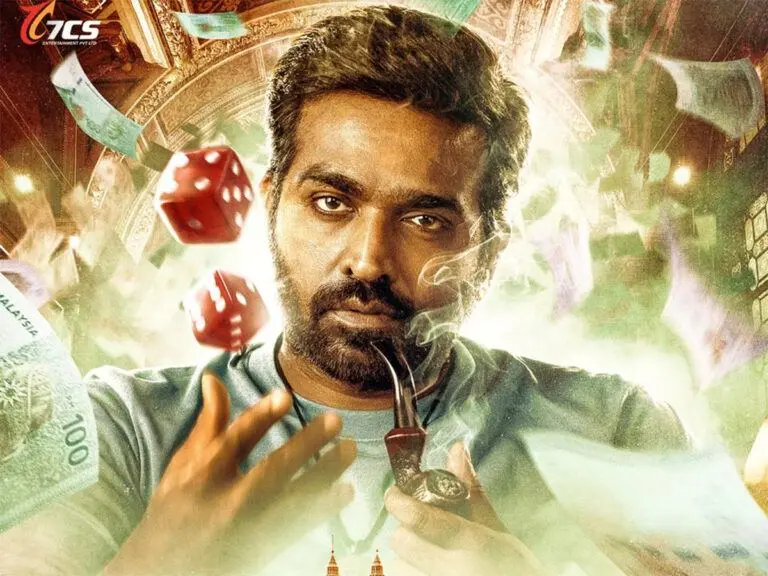
Vijay Sethupathi, though predominantly known for his work in Tamil cinema, commands a significant fan base across multiple languages, including Telugu. His 2024 release Maharaja quietly made its way to Telugu theaters with minimal pre-release hype but quickly gained traction thanks to strong word-of-mouth and critical acclaim. The film’s engaging narrative and Vijay’s compelling performance resonated well with audiences, further enhancing his pan-South appeal. Maharaja also found considerable appreciation on OTT platforms, cementing its success beyond the theatrical run.
Riding on this momentum, expectations were high for Vijay Sethupathi’s next project, Ace. However, unlike Maharaja, Ace was released with scant promotion and failed to generate any pre-release excitement. This lack of buzz suggested that even the makers may have anticipated a lukewarm reception. Unfortunately, the film did not meet expectations. Directed by Arumuga Kumar, Ace suffered from a weak storyline and a predictable narrative, which failed to engage the audience. Critics and viewers alike felt the film relied heavily on Vijay Sethupathi’s star power without delivering the meaningful content his fans have come to expect.
For Kannada actress Rukmini Vasanth, Ace marked her Tamil debut, but her character was notably underdeveloped, offering little scope for emotional depth or dramatic range. This limited character portrayal added to the overall sense of missed opportunity within the film.
Due to its lackluster script, poor execution, and negligible promotional efforts, Ace struggled to attract viewers. Many Telugu theaters reported low occupancy, leading to multiple show cancellations. The makers’ attempt to leverage the goodwill from Maharaja to boost Ace ultimately fell flat. This outcome underscores a vital lesson in cinema: audiences today are discerning and value substance over star-driven hype.
In summary, while Maharaja exemplified Vijay Sethupathi’s ability to cross linguistic barriers with quality content, Ace served as a reminder that even established stars need strong narratives and effective promotion to sustain audience interest.
Pawan Kalyan’s ‘Hari Hara Veera Mallu’ Off to a Strong Start in North America
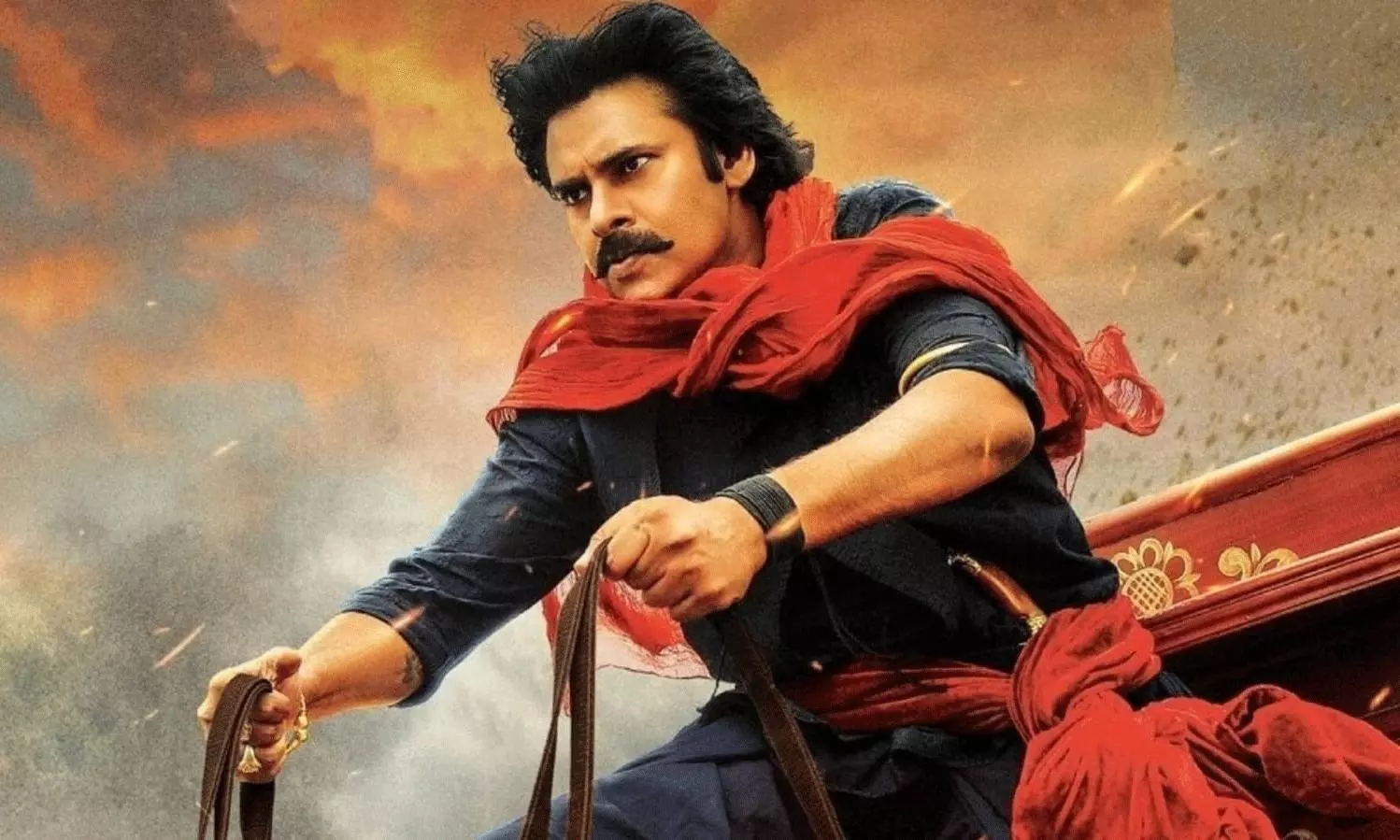
Powerstar and Andhra Pradesh’s Deputy Chief Minister Pawan Kalyan’s much-anticipated film Hari Hara Veera Mallu is creating waves ahead of its theatrical release, scheduled for June 12, 2025. Marking a rare cinematic outing for the actor-turned-politician since his active foray into public service, the film has garnered significant traction from fans, distributors, and OTT platforms alike.
Set against an ancient historical backdrop, Hari Hara Veera Mallu follows the journey of a valiant warrior and rebellion, blending elements of valor with socio-political undertones. The film is expected to resonate deeply with Kalyan’s massive fan base, thanks to its alignment with his revolutionary public persona and the grandeur of mass cinema aesthetics.
The buzz is already translating into strong box office trends overseas. Reports from North America indicate that the film has grossed approximately $40,500 in premiere pre-sales across 319 scheduled shows, with the Cinemark theatre chain contributing a dominant share of $35,000. An additional $3,000 from fan-organized shows at Cinelounge Fremont takes the unofficial pre-sale total to $43,500. Full-scale bookings across North America are expected to open by next Tuesday, while bookings in Canada are yet to commence.
Directed by acclaimed filmmaker Krish Jagarlamudi and AM Jyothi Krishna, the film features an ensemble cast including Bobby Deol, Nidhhi Agerwal, Nora Fatehi, and Sonakshi Sinha. Industry experts anticipate that Hari Hara Veera Mallu may transcend its cinematic identity to become a cultural moment, driven by Pawan Kalyan’s unmatched popularity in the Telugu states of Andhra Pradesh and Telangana.
Distributors consider Pawan Kalyan’s films a secure bet even with minimal promotional efforts, owing to his ever-growing influence as both a star and a statesman. With mounting anticipation and early sales indicators pointing towards a strong opening, Hari Hara Veera Mallu is poised to be more than just a box office event—it could very well become a landmark moment in contemporary Telugu cinema.

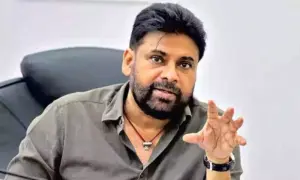
No Gratitude, No Unity: Pawan Kalyan Calls Out Tollywood’s Hypocrisy
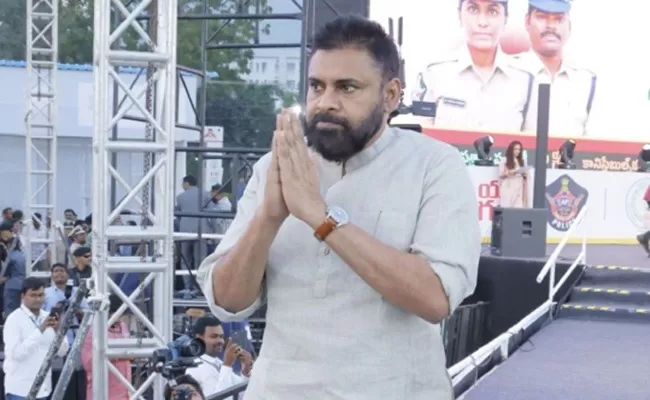
In a sharp rebuke of the Telugu film industry, Jana Sena Party president and Andhra Pradesh Deputy Chief Minister Pawan Kalyan on Saturday expressed disappointment over the industry’s indifference toward the state government. He stated that despite the administration’s efforts to support and uplift the film sector, there has been no acknowledgment or show of gratitude from the industry.
“We’ve been committed to advancing the film industry and upholding the dignity of those within it. Yet, there hasn’t been a single gesture of gratitude or even basic respect from the industry toward the government. Even after a year since the NDA government was formed, not once have they made the effort to formally meet Chief Minister N. Chandrababu Naidu,” he remarked during a press interaction.
Kalyan pointed out that the industry only engages with the government during film releases, and has otherwise made no effort to collaborate or contribute to the sector’s broader development. “Despite our calls for unity, we’ve received no positive response,” he added.
He also referenced past tensions under the previous YSR Congress government, accusing former Chief Minister Y. S. Jagan Mohan Reddy of disrespecting film personalities and obstructing film releases based on personal bias. “How can producers forget the challenges they faced under that administration?” he asked.
Highlighting a recent meeting with top producers such as Dil Raju, Allu Aravind, D. Suresh Babu, Y. Supriya, Chinna Babu, C. Ashwini Dutt, and Naveen Yerneni, Pawan Kalyan emphasized that unity within the industry could lead to meaningful progress. However, he criticized the continued practice of producers submitting individual petitions for ticket price hikes, instead of presenting a united front. “The government has been responding positively to these requests,” he acknowledged.
While assuring that the government would honor current commitments, he made it clear that moving forward, discussions would only be held with authorized representatives. “There will be no room for personal requests or backdoor discussions. All matters will be routed through the appropriate departments,” he stated firmly.
Pawan Kalyan also addressed public concerns regarding cinema hall conditions—particularly exorbitant food prices, lack of clean drinking water, and inadequate amenities. He assured that these issues would be reviewed with the relevant departments.
To ensure accountability, he announced that regular monitoring of theatres and multiplexes would be conducted, especially in major cities like Vijayawada, Visakhapatnam, Nellore, Rajamahendravaram, Guntur, Kakinada, and Tirupati. The focus will be on regulating ticket pricing and food costs, in response to growing consumer complaints.