









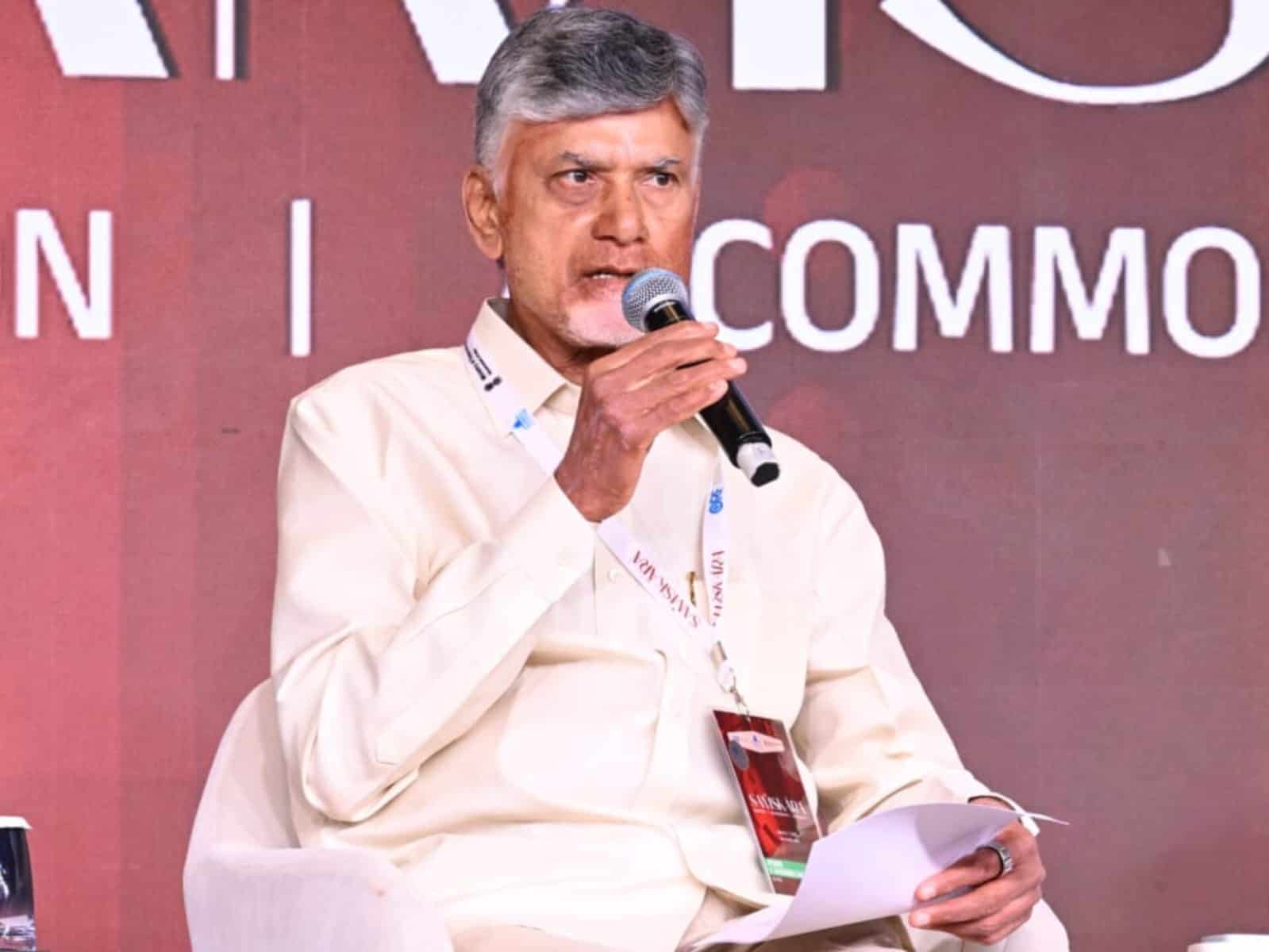
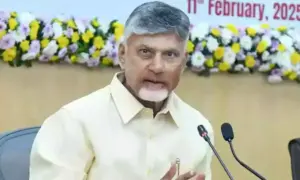
N. Chandrababu Naidu made a notable appearance at the prestigious Raisina Dialogue, where he participated in the “In Conversation” session moderated by Samir Saran. Naidu also became the first sitting Chief Minister from South India to speak at the conference, using the global platform to outline his vision for the future of Andhra Pradesh and its potential role in India’s technological and economic transformation.
Responding to questions about technology, Naidu emphasized that technological systems are central not only to the state’s development but also to India’s overall growth. He noted that the IT revolution significantly increased per capita income across the country and highlighted the major role played by the Telugu states in that transformation. He also referred to recent developments, including major investments such as a Google data center and new initiatives in emerging sectors like quantum computing.
Speaking about artificial intelligence, Naidu recalled the early skepticism surrounding the development of the then united Andhra Pradesh. According to him, the transformation of Hyderabad into a major knowledge and technology hub changed that perception. He stated that the future impact of AI will depend largely on how effectively governments and industries adopt and integrate the technology into governance, services, and economic activities.
Naidu also expressed strong confidence that Andhra Pradesh could emerge as the entrepreneurial capital of India’s eastern coast. Reflecting on his earlier tenure, he recalled how the development of Cyberabad played a key role in turning Hyderabad into a global center for pharmaceuticals, technology, and innovation.
He further noted that the new capital city, Amaravati, offers advantages such as better environmental conditions and the potential to host international institutions. Naidu even welcomed the idea of establishing a center of the Observer Research Foundation in Amaravati.
Education, he stressed, will remain a crucial pillar for the state’s long-term growth. Naidu also spoke about the possibility of “reverse brain drain” as India’s technology ecosystem continues to expand. He highlighted investments in green energy and data infrastructure, including a new project being developed in Kurnool in partnership with a German company.
Another key point he raised was the strong global presence of people from Andhra Pradesh. Naidu credited their success to opportunities created over the past three decades, particularly in the software industry. These early opportunities enabled professionals from the region to enter international technology sectors and build strong global networks.
Building on this foundation, Naidu said the state is now moving into new frontiers such as artificial intelligence, quantum computing, drone technology, and specialized innovation hubs like Space City and Drone City. Through these initiatives, he suggested that Andhra Pradesh is positioning itself not only as a regional growth engine but also as an active contributor to India’s broader technological and economic ambitions.





Kamal Haasan Slams US Remarks on India’s Oil Purchases
Actor-politician Kamal Haasan has strongly criticised remarks from the United States suggesting that India had been “given permission” to purchase Russian oil.
Responding to the controversy, the Rajya Sabha MP and leader of Makkal Needhi Maiam stated that India is a sovereign nation and does not take instructions from any foreign country.
In a post on X addressing Donald Trump, Haasan wrote that the people of India belong to a free and sovereign nation and no longer take orders from distant foreign shores. He also asked the former US President to mind his own business, stressing that mutual respect between sovereign nations is the only foundation for lasting global peace. Haasan further wished peace and prosperity for the United States and its citizens.
The controversy began after comments made by Scott Bessent, who stated that Washington had temporarily allowed India to buy Russian oil after the Middle East conflict disrupted global supply chains.
In an interview with Fox Business, Bessent reportedly said that India had earlier been asked to stop purchasing sanctioned Russian oil and had complied. According to him, the US later permitted India to resume purchases for a limited period to help ease pressure on global oil supplies.
When asked about the issue, Donald Trump reportedly suggested that easing restrictions could help stabilise the global oil market and reduce supply pressure.
Meanwhile, the Indian government maintained that the country’s energy supplies remain secure despite tensions in the Middle East. Officials highlighted that India has diversified its crude oil imports from 27 to nearly 40 countries and continues to purchase oil based on competitive prices in the national interest.
The remarks have also triggered political reactions within India. Rahul Gandhi, Leader of the Opposition in the Lok Sabha from the Indian National Congress, criticised the government, stating that India’s foreign policy should reflect the collective will of its people and remain rooted in the country’s history and values.