







LIVE : హోమ్ మంత్రి వంగలపూడి అనిత ప్రెస్ మీట్ | Home Minister Vangalapudi Anitha Press Meet
Australia Begins Early Voting as Federal Election Battle Intensifies

Early voting commenced across Australia on Tuesday, ahead of the federal general election scheduled for May 3. Approximately half of the country’s 18 million registered voters are expected to cast their ballots before election day, reflecting a growing trend toward early participation.
More than 500 early voting centres opened nationwide at 8:30 a.m. local time, as the election campaign entered its critical final phase. The Australian Electoral Commission (AEC) confirmed that voter enrolment for the upcoming election has reached a record 98.2 per cent of eligible citizens aged 18 and over, underlining robust civic engagement in a country where voting is compulsory.
The popularity of early voting has surged in recent decades, increasing from less than 20 per cent in 2004 to nearly 50 per cent by 2022. Analysts, including Jill Sheppard from the Australian National University, attribute this rise to the convenience of pre-polling and a growing sense of disengagement from traditional political campaigning.
Despite millions of Australians voting early, electoral staff are not permitted to begin counting any ballots until the official close of polls at 6 p.m. local time on election day.
As the campaign heats up, Prime Minister Anthony Albanese emphasized that the election remains “up for grabs,” cautioning against complacency despite a series of favorable opinion polls. Labour, which currently holds 77 seats in the 150-member House of Representatives, appears to be in a strong position to secure a second term.
A Newspoll released Sunday reported a 52–48 lead for Labour over the opposition Coalition on a two-party preferred basis. Similarly, a separate YouGov poll indicated a 53–47 advantage for Labour — the party’s strongest performance in the firm’s polling since late 2023.
However, both parties remain cautious. Albanese referenced the surprise 2019 election result, where the Coalition defied polling predictions to secure victory, as a reason to avoid overconfidence. Echoing that sentiment, Opposition Leader Peter Dutton highlighted voter unpredictability, pointing to the Coalition’s unexpected win in 2019 as a precedent for optimism.
Dutton also outlined a $750 million (AUD) policy pledge to crack down on crime, including the establishment of a national sex offender registry, as part of the Coalition’s campaign strategy.
Australians vote using a preferential system, ranking candidates in order of preference within their local electorates. If no candidate secures an outright majority of first preference votes, the lowest-ranked candidates are eliminated and votes are redistributed according to voter preferences — a system that has historically benefited Labour due to strong support from Greens voters.
In the 2022 general election, Labour secured 52.13 per cent of the two-party preferred vote, despite receiving fewer first preference votes than the Coalition. The current election is being contested in all 150 electorates, some featuring up to 13 candidates, underscoring the diversity and competitiveness of the electoral landscape.
As the nation edges closer to May 3, early voting is expected to play a pivotal role in shaping the outcome of one of Australia’s most closely watched elections in recent history.
Mythri Movie Makers Lock Another Film with Prabhas After Fauji
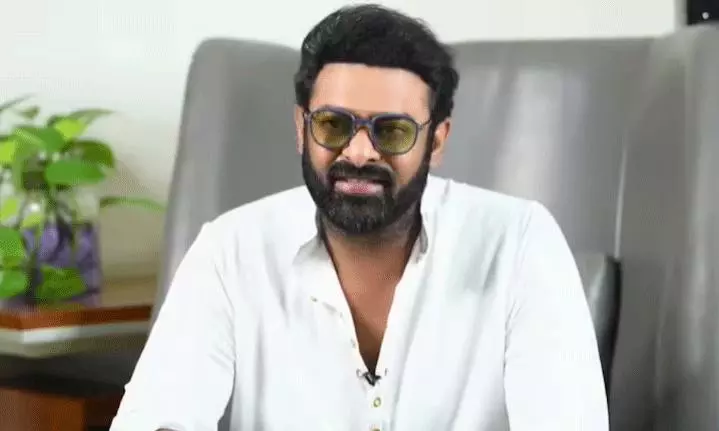
Mythri Movie Makers have long aspired to collaborate with Prabhas, and that dream is finally taking shape with Fauji, directed by Hanu Raghavapudi. The pan-India star is reportedly very impressed with the production house’s smooth execution and professional approach.
Sources close to the team reveal that Prabhas is extremely comfortable working with Mythri, which has led to a major development. The actor has reportedly signed another project with the banner, making this a back-to-back collaboration—something he usually avoids except with his home banner, UV Creations.
The new project is expected to be officially announced once a director is finalized and the script is locked. Given Mythri’s strong network and resources, the announcement might come sooner than expected.
With this move, Mythri Movie Makers have further cemented their place among the top production houses in Telugu cinema.
Nepal’s Education Minister Resigns Amid Teachers’ Protest Standoff
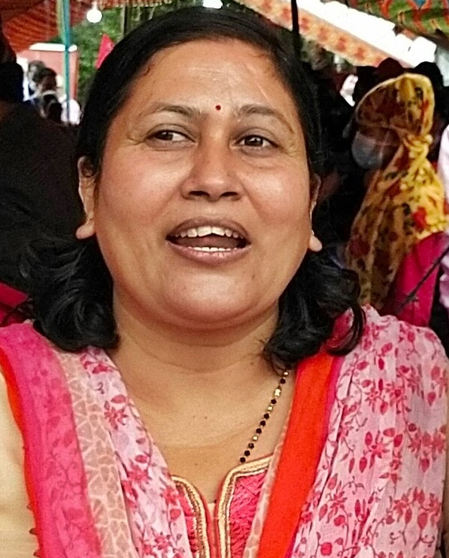
Nepal’s Education Minister Bidya Bhattarai has tendered her resignation following escalating disagreements with Prime Minister K.P. Sharma Oli and Finance Minister Bishnu Paudel regarding the government’s response to ongoing protests by government school teachers.
Bhattarai’s resignation, confirmed by the Ministry of Education, comes amidst mounting political tensions and widespread demonstrations in Kathmandu, where thousands of teachers have been staging protests demanding the swift passage of the School Education Bill and enhancements in salary, benefits, and job security.
According to reports from The Kathmandu Post, the minister cited health reasons in her formal resignation submitted during a meeting with the Prime Minister on Monday. However, sources close to Bhattarai indicate that the primary reason for her departure lies in her frustration over the lack of cooperation from both the Prime Minister and the Finance Minister in addressing the teachers’ demands.
“The Finance Minister did not support fulfilling certain key demands, and the Prime Minister was reluctant to take steps that could trigger similar demands from other civil servants,” an official familiar with the discussions said. “Though health issues were mentioned, her differences with the leadership over the teachers’ agitation were the decisive factor.”
Bhattarai’s absence from a crucial meeting on Friday between Prime Minister Oli and office-bearers of the Confederation of Nepalese Teachers (CNT) highlighted the widening rift. Meanwhile, CNT Chairman Laxmi Kishor Subedi announced via social media that the teachers’ agitation would continue on Tuesday, reiterating their commitment to the movement.
The protests, centered in the Maitighar-Naya Baneshwor area of Kathmandu since April 2, have significantly disrupted the national student enrollment drive and delayed academic activities, including the assessment of answer sheets from the recent Secondary Education Examination (SEE). Teachers have also defied government orders to begin enrollment for the new academic year, which commenced on April 15.
Efforts are reportedly underway to persuade Bhattarai to reconsider her resignation, with sources indicating that the Prime Minister may hold further talks with her.
The ongoing deadlock underscores broader governance challenges and growing unrest within Nepal’s public education sector, as stakeholders await decisive government action on the teachers’ demands and the fate of the School Education Bill.
Sundar C Reveals How Success Changed a Tamil Hero’s Attitude
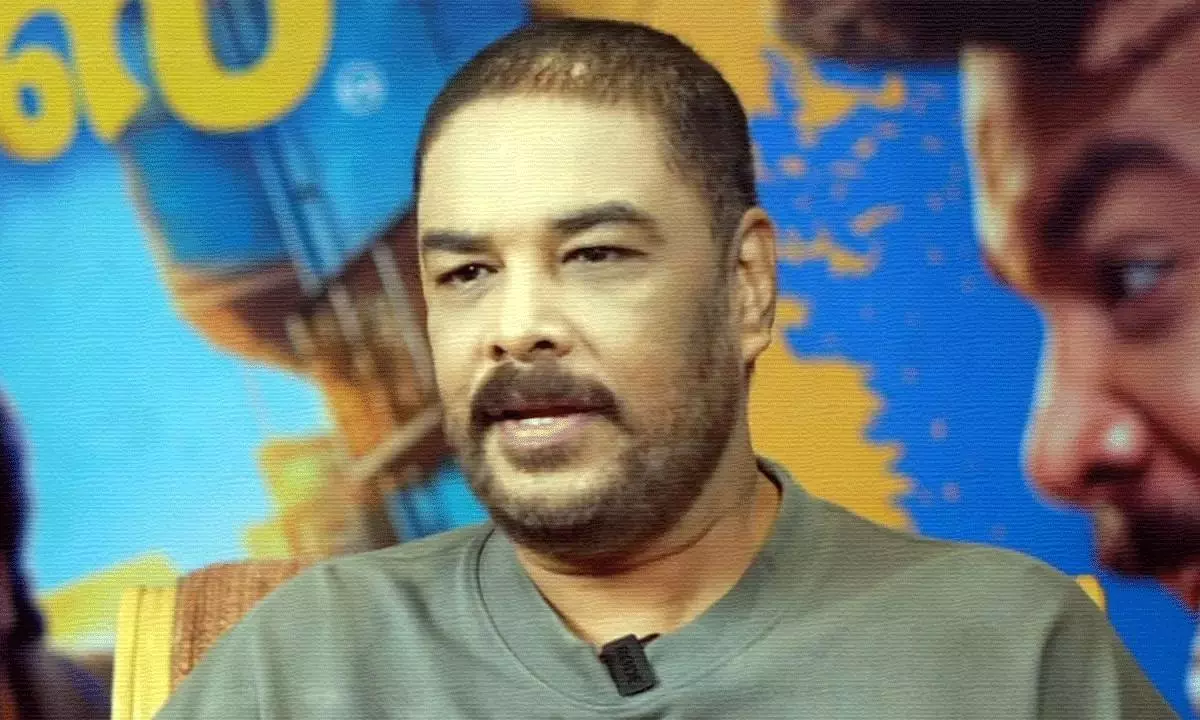
In the Indian film industry, it’s often said that success can sometimes get to an actor’s head, changing their demeanor and approach, especially after a hit at the box office. Senior Tamil director Sundar C recently touched upon this subject, revealing how the attitude of a Tamil hero changed drastically after a film’s success.
While promoting his upcoming film Gangers, Sundar C opened up about his experience working with an actor whose behavior shifted after the success of their previous project. Without naming the actor, he shared that they had worked together when the actor was still a newcomer, with little market value. Their collaboration turned out to be a hit, which led to Sundar C agreeing to work with the actor again on a second project. However, during the making of this new film, the actor began to interfere with the creative process, questioning every scene and trying to assert control over the project. This drastic change in behavior led Sundar C to lose interest in continuing the collaboration.
Though Sundar C chose not to name the actor, fans have speculated that it could be Arjun, Siddharth, or Prashanth, based on his past associations. The director’s comments have sparked discussions about how some Tamil heroes, who maintain a humble and grounded public image, may not always be as approachable behind the scenes.
While the actor’s identity remains unconfirmed, Sundar C’s observations provide an interesting insight into how success can sometimes lead to a shift in personality, especially in the world of Tamil cinema.
Vijaya Sai Reddy Turns Against AP Liquor Scam Accused
Once considered one of the closest aides to Y.S. Jagan Mohan Reddy and even entrusted with financial responsibilities, Rajya Sabha MP Vijaya Sai Reddy has now taken a sharp turn, distancing himself from the Andhra Pradesh liquor scam and declaring himself a whistleblower.
In a strongly worded tweet, Sai Reddy stated,
“My role in the AP liquor scam is that of a whistleblower. The thieves who were caught and those who weren’t are dragging my name. I haven’t touched a single rupee. Only half of the liquor thieves’ masks have been removed. I will cooperate fully in exposing the rest.”
This explosive tweet appears to be the result of mounting pressure and developments surrounding the case. Just days after Sai Reddy appeared before the CID for questioning, Rajampet MP Midhun Reddy was also summoned in connection with the same liquor scam. This sparked speculation that Sai Reddy might have provided names during his interrogation, including that of Midhun Reddy.
Adding fuel to the fire, Sai Reddy publicly named a certain Raj Kasireddy as a key figure operating behind the scenes of the scam. In response, Raj Kasireddy released a video, warning that he would soon reveal Sai Reddy’s own alleged misdeeds. This verbal threat seems to have further provoked Sai Reddy, who has since intensified his stance and declared that he will reveal the full extent of the scam.
However, political observers have pointed out a key contradiction in Sai Reddy’s claim of being a whistleblower. They argue that he only came forward with details after the CID had already begun its investigation. “To truly qualify as a whistleblower, one must proactively expose wrongdoing before an official probe begins. In this case, Sai Reddy’s disclosures appear reactive, not proactive,” an observer noted, adding that such timing might not grant him any legal immunity.
As the investigation unfolds and tensions escalate within political circles, Sai Reddy’s role—and his motives—are bound to remain under scrutiny.
Revanth Reddy Showcases Telangana at Japan Expo 2025
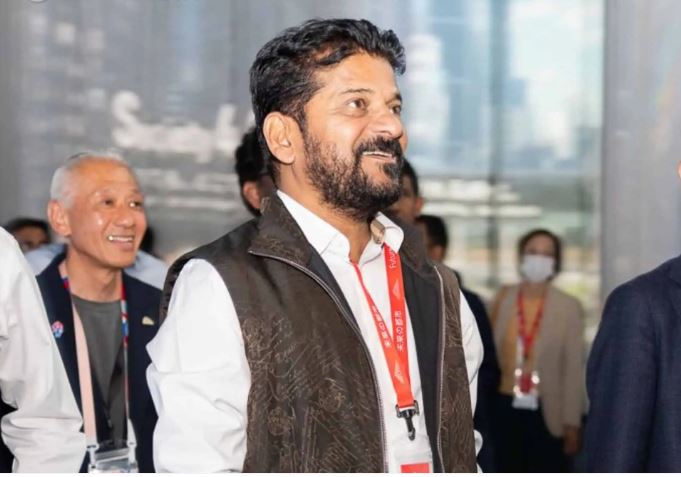
Telangana Chief Minister Revanth Reddy is currently on an official visit to Japan, where he is studying the country’s advanced social infrastructure with an aim to implement similar models in Hyderabad. His visit aligns with his vision to transform Telangana into a global hub for sustainable urban development and industrial growth.
Notably, Telangana has become the first Indian state to participate in the prestigious Japan Expo 2025, marking a significant milestone in the state’s international outreach. CM Revanth Reddy’s participation underscores his commitment to attracting global investments and presenting the Telangana development model on an international platform.
During the expo, the Chief Minister unveiled several key infrastructure initiatives, including the 370-kilometer-long Regional Ring Road (RRR) and the Radial Roads that will connect RRR with the existing Outer Ring Road (ORR). These projects are expected to lay the foundation for some of the largest dedicated manufacturing and industrial corridors in the country.
Osaka, Japan: The official #TelanganaRising delegation made a strong pitch for investments in Telangana across a wide range of sectors and initiatives – spanning the circular economy, urban infrastructure, environmental rejuvenation, the River Musi project, the Regional Ring Road… pic.twitter.com/x2oAuLsuI9
— Telangana CMO (@TelanganaCMO) April 21, 2025
The Telangana delegation made a compelling case for investments across a wide range of sectors. These include the circular economy, urban infrastructure, environmental restoration, the River Musi rejuvenation project, Metro Rail expansion, and futuristic development initiatives like the ‘Future City’ concept. Other highlighted sectors include AI and software technology, pharmaceuticals, bulk drugs, textiles, tourism, agriculture, and renewable energy.
Revanth Reddy emphasized the immense potential of the ORR-RRR corridor as a thriving base for manufacturing units and assured Japanese stakeholders of full cooperation and support from the Telangana government. His proactive approach reflects a broader vision to elevate Telangana as a global investment destination and innovation powerhouse.
Amaravati 2.0 Set for Grand Relaunch on May 2
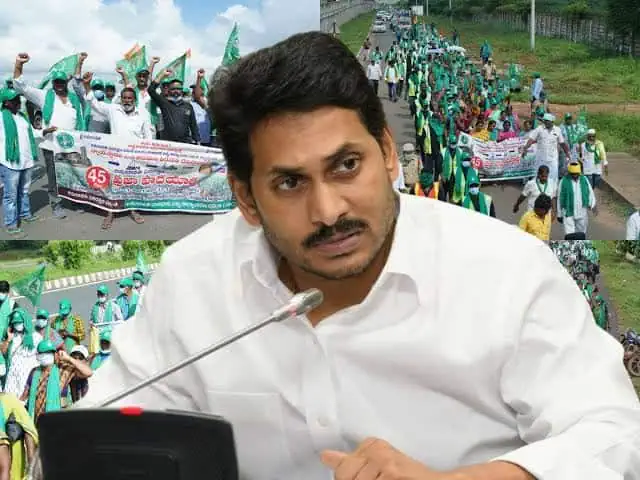
The stage is now set for the grand relaunch of the Amaravati capital project, with the Andhra Pradesh government scheduling the inauguration ceremony of “Amaravati 2.0” on May 2. In a significant development, Prime Minister Narendra Modi has been invited to grace the occasion and is expected to attend the event.
Urban Development Minister Narayana shared interesting details about the upcoming ceremony, describing it as an inclusive and well-rounded event. “This isn’t just about the Prime Minister or central ministers. Leaders who held opposition roles between 2014 and 2019 will also be invited. We plan to extend personal invitations,” Narayana revealed.
While the minister did not explicitly name Y.S. Jagan Mohan Reddy, it’s clear that he was referring to the former Chief Minister, who served as the opposition leader during that period. Though Jagan no longer holds that position following the recent electoral outcome, the minister’s comments strongly suggest that an invitation will be sent his way.
It’s worth recalling that Jagan had previously declined the invitation to the Amaravati inauguration ceremony back in 2015. Given the controversial developments and setbacks that unfolded in Amaravati during his tenure from 2019 to 2024, expectations of his presence at the upcoming event appear slim.
A senior political analyst observed, “Jagan hasn’t even shown interest in attending Assembly sessions of late. His participation in the Amaravati 2.0 ceremony seems highly unlikely.”
With political dynamics shifting rapidly and the spotlight firmly back on Amaravati, all eyes will be on how this symbolic relaunch unfolds — and who chooses to be a part of it.