









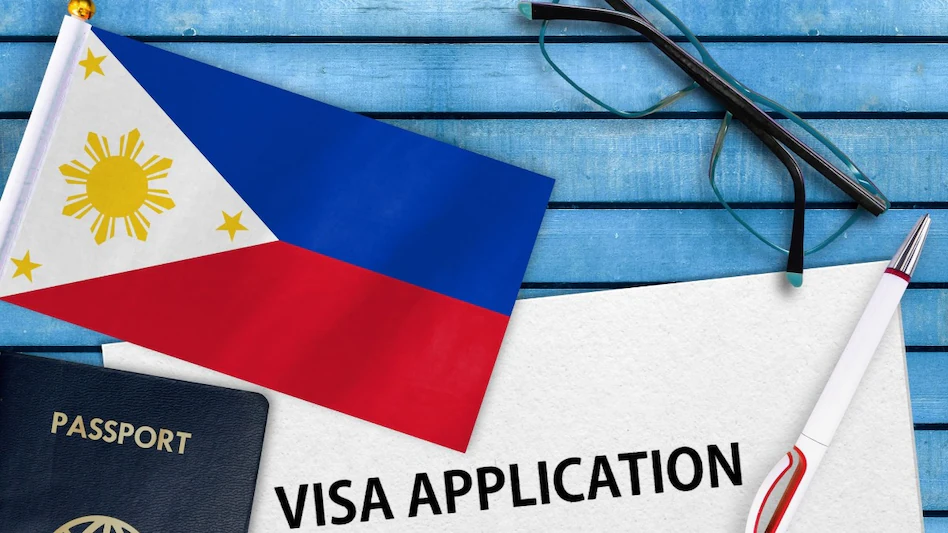
The Philippines is making a strategic move to capitalize on the evolving global work trends with the launch of its Digital Nomad Visa programme. Spearheaded by President Ferdinand Marcos Jr., the initiative is designed to attract foreign professionals seeking to work remotely while immersing themselves in the country’s rich cultural and natural landscapes. By providing a visa option valid for up to one year, the Philippines aims to position itself as a prime destination for digital nomads, individuals who are increasingly working from diverse locations around the world.
Understanding the Digital Nomad Phenomenon
Digital nomads are a growing demographic of professionals who utilize the flexibility of remote work to live and travel across different countries. Often relying on internet connectivity and mobile technology, they work from varied spaces such as co-working hubs, cafés, or libraries, enabling them to explore new environments without being tied to a traditional office. This lifestyle offers significant autonomy, allowing for a balanced integration of work and leisure.
Eligibility for the Digital Nomad Visa
To qualify for the Philippines’ Digital Nomad Visa, applicants must meet a set of specific criteria:
Applicants must be at least 18 years of age.
Proof of employment in a remote capacity and evidence of a stable income from overseas sources must be provided.
A valid criminal background check must be submitted.
Health insurance that covers the entire duration of the stay in the Philippines is mandatory.
Applicants must be citizens of a country that maintains reciprocal visa arrangements with the Philippines.
The applicant must not pose a security threat to the nation and must not be seeking employment within the Philippines.
The new visa initiative, part of the broader effort to enhance the country’s tourism sector, opens doors for long-term visitors to contribute to the local economy without competing in the domestic job market.
Strategic Growth for Tourism and Remote Work
In addition to the Digital Nomad Visa, the Philippines has recently introduced an electronic visa (e-Visa) system for Indian passport holders, streamlining the travel process by allowing online applications and eliminating the need for in-person visits to embassies or consulates. This move complements the broader goal of making the Philippines a more attractive destination for both tourism and remote work.
As the world shifts towards more flexible work arrangements, the Philippines’ proactive approach in supporting digital nomads positions the country as a forward-thinking hub for global professionals. The anticipated influx of digital nomads is expected to stimulate the local economy while fostering a global community of remote workers embracing the opportunities that the Philippines has to offer.
Recent Random Post: