








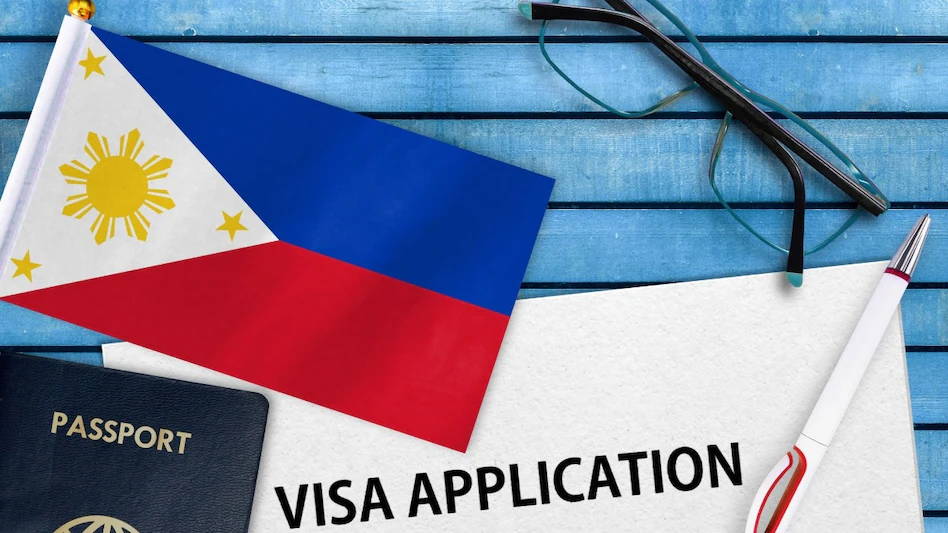
In a bold initiative aimed at revitalizing its tourism sector and embracing the global trend of remote work, the Philippines is introducing a Digital Nomad Visa programme. Endorsed by President Ferdinand Marcos Jr., this new venture seeks to attract foreign professionals who want to work remotely while experiencing the country’s rich culture and stunning landscapes. Under this directive, the Department of Foreign Affairs (DFA) will issue Digital Nomad Visas, which will be valid for up to one year. Applicants must demonstrate stable income and hold citizenship from countries that have reciprocal visa arrangements with the Philippines.
Digital nomads are professionals who work remotely and often travel from one city or country to another. They rely on co-working spaces, cafes, or libraries to get their work done, with internet access and mobile devices being essential to their lifestyle. This type of work setup offers incredible flexibility, allowing them to work from virtually anywhere in the world.
To qualify for the Digital Nomad Visa, applicants must meet several criteria: they need to be at least 18 years old, provide proof of remote work and stable income from sources outside the Philippines, have no criminal record, and possess valid health insurance for the entire duration of stay. They must be citizens of countries that offer reciprocal visa arrangements with the Philippines and not pose a threat to Philippine security. Additionally, applicants must not be employed within the Philippines.
With this new programme, the Philippines joins a growing list of countries welcoming long-term remote workers, even as some regions push for a return to office-based work. The government anticipates that the scheme will attract visitors who can contribute to the local economy without competing for domestic jobs. In another move to enhance its tourism offerings, the Philippines has also rolled out an electronic visa (e-Visa) system for Indian passport holders. This digital platform, introduced by the DFA, streamlines the visa process by removing the need for in-person embassy visits, making travel to the Philippines more accessible for Indian nationals.
Recent Random Post: