








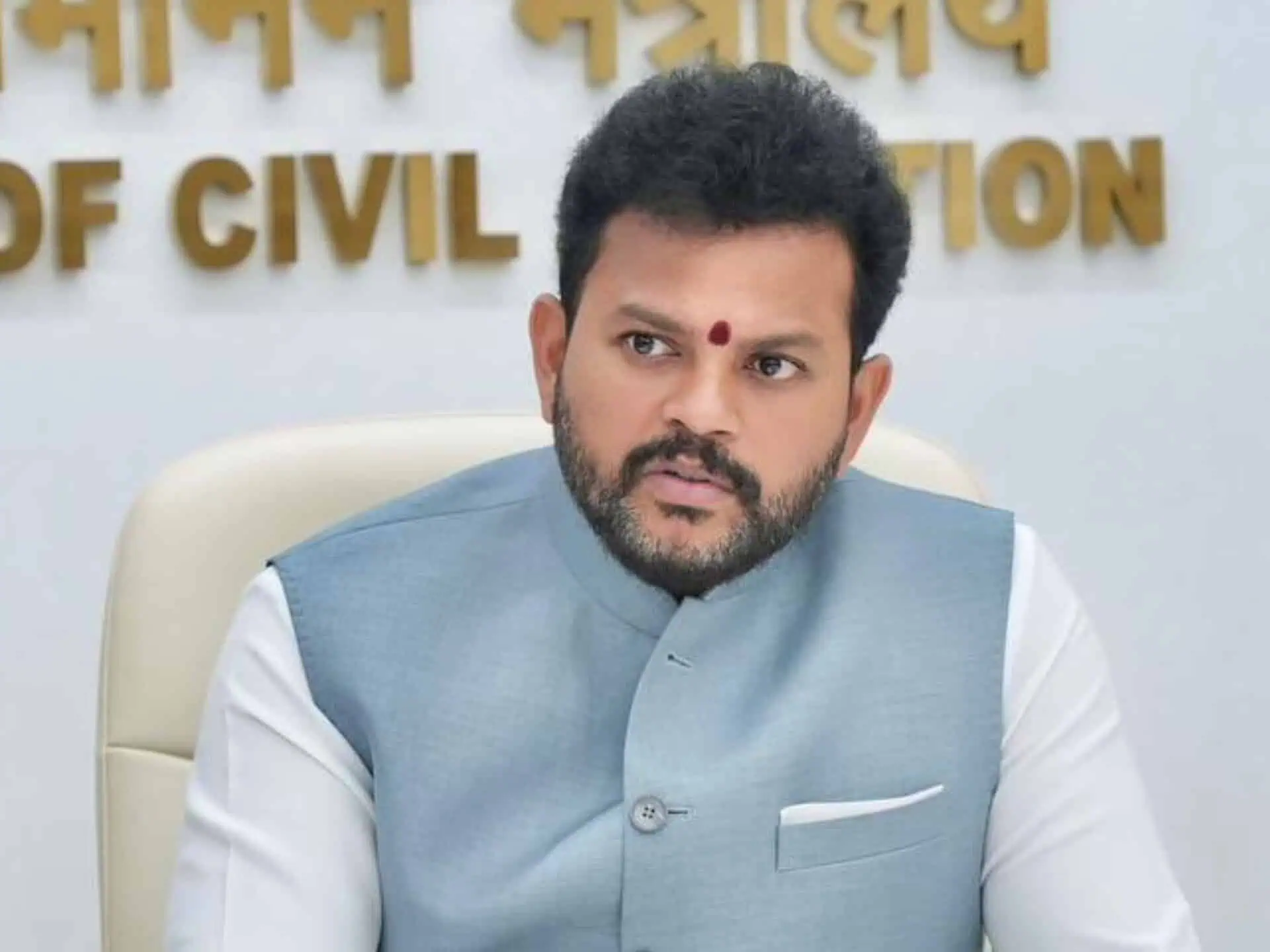
The ongoing Indigo crisis has generated significant noise in the aviation sector, placing Aviation Minister Ram Mohan Naidu at the centre of national media attention. Several North-based media outlets have criticised him, accusing him of mishandling the situation and portraying the crisis as a political failure. Many observers believe there is a deliberate attempt to target Naidu personally and, by extension, the TDP, especially since none of these outlets have questioned the BJP-led central government, which also shares responsibility.
However, the situation requires a more measured and fair assessment. Since taking charge, Ram Mohan Naidu has already faced one of the most challenging moments in recent aviation history—the tragic Air India crash in Ahmedabad. It was a moment of national grief and a true test for the aviation ministry.
Rather than suppressing information or delaying accountability, he ensured that the investigation report was completed quickly and made public despite pressure from the airline. His decision reinforced transparency and responsibility toward passengers and the families of the victims.
This approach is not sudden. The TDP, under Chandrababu Naidu’s leadership, has long emphasised ethical governance, strong administrative systems, and rule-based decision-making. Whether in infrastructure development, administrative reforms, or industrial growth, CBN’s focus has always been on discipline, accountability, and service delivery. Ram Mohan Naidu appears to be following that same philosophy.
In the current Indigo issue, he is insisting that the airline adhere to aviation rules, safety standards, and operational guidelines without shortcuts. His stand is not anti-corporate—it is pro-safety. For a country with a rapidly expanding aviation network, uniform enforcement of rules is essential to prevent future disasters.
Beyond crisis management, he has also initiated people-friendly reforms. Soon after assuming office, he promised to make air travel more affordable. True to his word, he launched the UDAN Yatri Café initiative to tackle the problem of overpriced food at airports, offering travellers affordable options such as tea or coffee at just ₹20.
In contrast, certain media groups in Noida appear intent on diverting blame away from Indigo and the NDA government for the structural issues that contributed to this crisis. Over time, the aviation sector has become a duopoly dominated by Air India and Indigo—an unhealthy concentration of power that affects competition and service quality.
Ram Mohan Naidu openly highlighted these structural gaps in the Lok Sabha and even invited new companies to invest in India’s aviation market. If these reforms take shape and the current duopoly is broken, India could witness a more competitive, safer, and transparent aviation ecosystem. In that scenario, Ram Mohan Naidu may well be remembered as one of the most effective aviation ministers the country has seen.
Recent Random Post:
Good News from Iran Amid India’s Fuel Crisis | Strategic Partnership Boosts Oil Supply
Good News from Iran Amid India’s Fuel Crisis | Strategic Partnership Boosts Oil Supply