









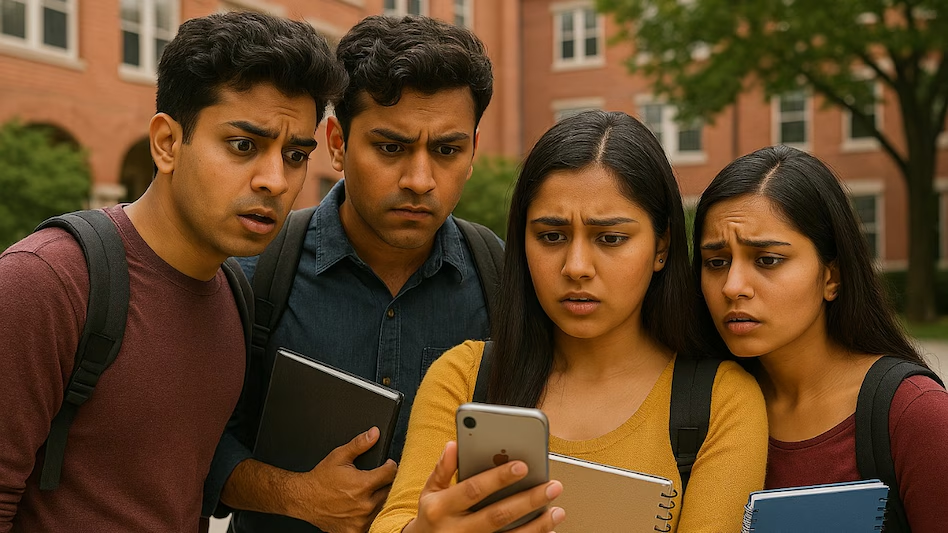
In a troubling trend, a growing number of Indian students in the United States are facing unexpected student visa revocations and SEVIS (Student and Exchange Visitor Information System) terminations—even in cases where legal proceedings have cleared them of any wrongdoing. The consequences are severe, often leaving students with little recourse other than to leave the country voluntarily or face potential deportation.
One such case involves an Indian student whose identity was stolen by a friend. Despite presenting video evidence and being acquitted in court, the student’s visa was revoked, and their SEVIS record terminated, jeopardizing their academic and immigration standing.
Immigration experts warn that this is not an isolated incident. Over the past several weeks, numerous Indian students have reported visa cancellations under similarly questionable circumstances. These include minor infractions such as traffic violations, administrative errors, or even dismissed charges—none of which typically merit such drastic immigration penalties.
Chand Paravathneni, a Texas-based immigration attorney, is currently representing over 30 students in similar predicaments. “These students have invested lakhs of rupees and taken on educational loans to study in the U.S. Now, they’re being forced to leave without completing their degrees. It’s deeply concerning,” he told India Today Digital.
According to Paravathneni, the common factor among these cases is that the students were flagged once—regardless of whether the issue was later resolved. “Even a single incident on their record, no matter how minor or unfair, has been sufficient grounds for visa termination,” he said.
This shift aligns with broader changes in U.S. immigration policy, particularly since the Trump administration, when federal scrutiny of international students intensified. More recently, artificial intelligence has been employed to monitor international students for potential ties to organizations like Hamas—designated a terrorist group by the U.S. government. However, the cases involving Indian students show no links to national security concerns.
Among the affected are students penalized for car accidents, invalid international driving permits, and even shoplifting or DUI cases where they were ultimately found not guilty. In one instance, a student’s visa was revoked due to a decade-old flag raised at a Port of Entry, despite a clean record since and a valid visa.
Once a SEVIS record is terminated, the student is considered out of status and must act swiftly—either leave the country within 15 days or pursue legal remedies to restore their visa status. Failure to do so could result in formal deportation and future bans on re-entry. Students may choose to depart using the CBP One app, which facilitates self-deportation appointments.
Paravathneni urges affected students to seek legal counsel and contest the revocation wherever possible. “Self-deportation should always be a last resort,” he emphasized. “There are legal avenues to challenge these decisions and potentially reverse the terminations.”
As these cases draw attention from advocacy groups and legal experts, the situation underscores the urgent need for consistent and fair immigration practices—especially for international students striving to pursue education in the United States.
Recent Random Post: