








When Dr. B.R. Ambedkar introduced reservations in the Constitution, the provision was intended solely for the depressed classes — and only for a period of ten years. Yet, being the visionary he was, Ambedkar likely understood that once implemented in a country as complex as India, rolling back reservations would be nearly impossible.
Decades later, Prime Minister V.P. Singh expanded reservations to the backward classes — a move widely seen as driven by political survival. The decision ignited nationwide protests and unrest, marking one of the most turbulent phases in India’s social history.
Today, India finds itself in a situation where almost every caste is demanding reservation. The system, originally designed to uplift the historically oppressed, has evolved into something far more complicated. When the benefits of reservation pass from one generation to the next within the same families, it raises serious questions about fairness and effectiveness. For example: should the children of IAS or IPS officers continue to qualify for reserved seats and jobs? Is that either morally or logically defensible?
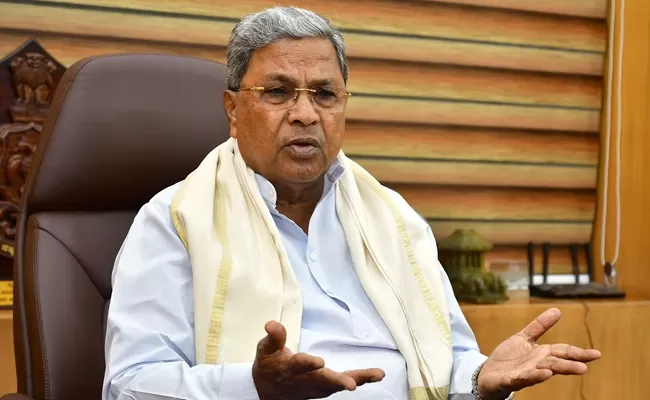
Former President K.R. Narayanan once proposed extending reservations into the private sector. Now, Karnataka Chief Minister Siddaramaiah has reignited that debate by insisting that private companies should be mandated to implement reservations as well.
The timing is contentious. Bengaluru’s infrastructure woes are already a point of criticism among global corporations. Introducing compulsory reservations in private firms would undoubtedly send shockwaves through the business ecosystem.
India’s non-reserved categories have largely managed to thrive because of the economic reforms of 1991 under P.V. Narasimha Rao, which opened the nation to global markets and gave the private sector room to grow. Siddaramaiah’s proposal raises a provocative question:
Recent Random Post:
రేపల్లె లో వైసీపీ తలరాతను కొత్త ఇంఛార్జ్ మారుస్తారా..? | YSRCP Changes Strategy in Repalle
రేపల్లె లో వైసీపీ తలరాతను కొత్త ఇంఛార్జ్ మారుస్తారా..? | YSRCP Changes Strategy in Repalle