







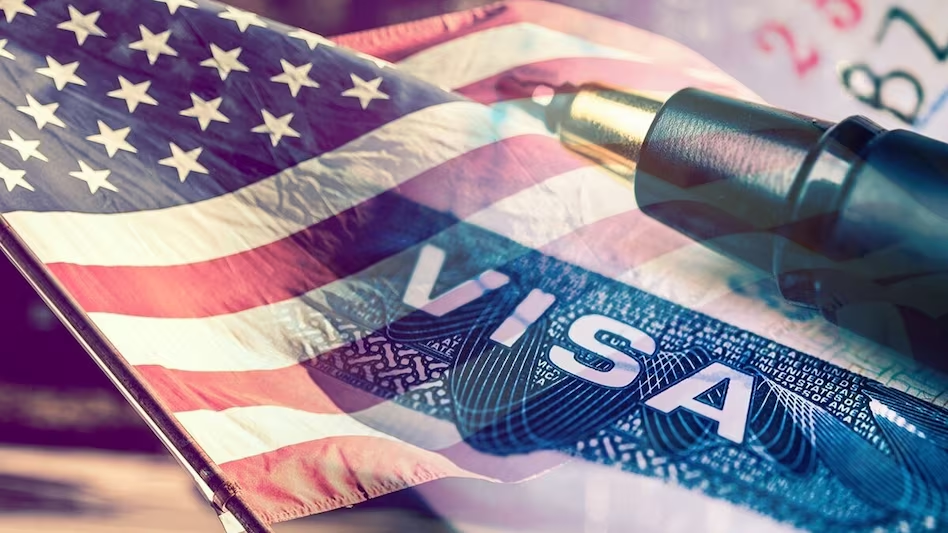
If you’re planning a visit to the United States this year, booking your flight might be the simplest part of the journey. The real challenge lies in securing a US visa appointment—a process often marked by long wait times, sudden cancellations, and shifting embassy protocols. Navigating this system successfully requires strategic planning, persistence, and timely action.
1. Book Your Appointment Early—Even If It’s Far Out
After completing the DS-160 form and paying the visa fee, schedule your visa appointment as soon as possible. Even if the earliest available slot is months away, locking in a date is critical—it opens up options to reschedule, request expedited appointments, or qualify for an interview waiver later. This initial step is key to maintaining flexibility and reducing uncertainty.
2. Consider “Consulate Shopping” to Cut Wait Times
Wait periods can vary drastically between consulates. As of June 2025, the wait time for a B1/B2 (visitor) visa interview is approximately six months in Kolkata, compared to 9.5 months in Mumbai. Applicants who are willing and eligible to travel to a different city may legally schedule their interview at a less congested consulate, potentially reducing wait times significantly.
3. Monitor Cancellations Strategically
Visa slots often reopen due to cancellations. Applicants who check the USTravelDocs portal multiple times a day—particularly around midnight and midday—have a higher chance of snagging an earlier slot. However, proceed with caution: excessive refreshing may trigger a 24-hour account lock.
4. Request an Expedited Appointment If Justified
If you’re facing urgent circumstances—such as a medical emergency, a student intake deadline, a funeral, or a denied ESTA—you may qualify for an expedited appointment. First, book the earliest available slot, then submit an expedited request with proper documentation. Approvals are granted at the discretion of the consulate, so ensure your case is well-supported.
5. Watch for Embassy-Wide Slot Releases
During peak seasons, the US Embassy often releases bulk appointments. For example, in May 2025, thousands of student visa slots were made available ahead of the fall semester. Stay alert for such announcements via the embassy’s official channels, especially if your travel is tied to academic or seasonal timelines.
6. Use Technology—But Wisely
Many applicants rely on browser extensions, Telegram bots, and forums like VisaJourney to track real-time slot openings. While these tools can be helpful, be cautious: unauthorized automation or use of third-party agents may result in account suspensions. Stick to credible, embassy-approved methods of monitoring and scheduling.
7. Be Document-Ready at All Times
In the rush to find an earlier appointment, don’t overlook the essentials. Always keep your DS-160 confirmation, valid passport, fee receipt, and relevant supporting documents (such as university admission letters, medical reports, or employment proofs) organized and up-to-date. Also, keep an eye on policy changes—such as the expected launch of a $1,000 premium processing option for tourist visas later in 2025.
8. Use the Interview Waiver Program (Dropbox) If Eligible
In February 2025, the US State Department expanded its Interview Waiver Program, allowing eligible applicants—including visa renewals within 12 to 48 months, certain H-2 workers, and diplomats—to skip the in-person interview. Instead, applicants can submit their documents via Dropbox, significantly reducing processing time compared to traditional interviews.
Final Tip: Demand for US visas remains consistently high. Early action, informed planning, and vigilance are your best allies in securing a smooth and timely appointment. Whether you’re a student, tourist, or professional, staying ahead of the curve will make all the difference.
Ask ChatGPT
Recent Random Post: