









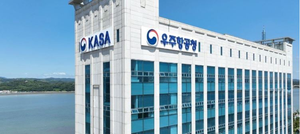
Seoul, March 19 (IANS) – The Korea AeroSpace Administration (KASA) has announced an ambitious initiative aimed at fostering 30,000 aerospace professionals by 2045 as part of its long-term strategy to position South Korea as a global space powerhouse. The announcement was made during a government policy meeting chaired by Acting President Choi Sang-mok, as reported by Yonhap news agency.
The initiative is designed to build a robust space industry ecosystem in response to the rapidly evolving New Space era, characterized by the increasing role of private enterprises in space exploration and development. Through this plan, KASA seeks to expand South Korea’s talent pool in space science, cultivate mission-oriented specialists, and develop a workforce equipped with hands-on industry expertise.
Key Objectives and Implementation Strategies
Expansion of Aerospace Training ProgramsKASA intends to significantly increase the number of young aerospace trainees from 300 to 1,500 annually. To achieve this, the agency will develop specialized space education programs targeting students across various educational levels and introduce public outreach initiatives similar to NASA’s Space Ambassador Programme. These initiatives will engage volunteers in promoting space exploration and technological advancements.
Integration of Space Education in SchoolsRecognizing the need to foster interest in space sciences from an early stage, KASA plans to incorporate space-related curricula into elementary and secondary education. This will be achieved through after-school programs and integration with South Korea’s new high school credit system, ensuring continuous and structured exposure to aerospace studies.
Internship and Talent Development InitiativesTo provide practical training opportunities, KASA will launch an internship program in collaboration with three major space industry clusters set to be established in Daejeon, South Jeolla Province, and South Gyeongsang Province. These clusters will serve as regional hubs for recruiting and nurturing talent, enhancing local expertise and industry involvement.
Strengthening Industry-Academia PartnershipsKASA plans to enhance cooperation between academic institutions and the aerospace industry by operating strategy centers for space technology. These centers will facilitate research collaborations and support industry-academia partnership programs, ensuring a seamless knowledge exchange that drives innovation in space technology.
National Commitment to Space Development
Acting President Choi Sang-mok underscored the strategic importance of human resource development in the space industry, emphasizing South Korea’s aspiration to rank among the top five space powers globally.
“To become one of the five major global powers in space, we need to focus on fostering a professional workforce in the space industry, with active participation from young adults,” Choi stated. “The global technology war is also taking place in space.”
In alignment with this vision, the government will intensify efforts to promote research collaboration between universities and research institutes, thereby accelerating advancements in space technology and innovation.
By implementing this multi-faceted strategy, South Korea aims to not only enhance its domestic space capabilities but also establish itself as a key player in the global space economy, driving innovation and fostering international collaborations in the aerospace sector.
Recent Random Post: