









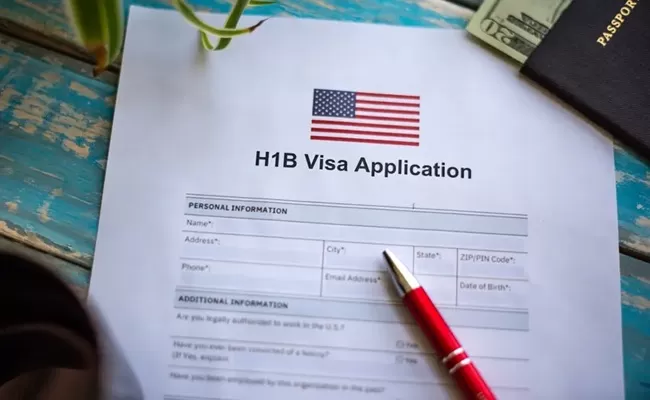
A new study suggests that even a steep $100,000 fee on H-1B visas may not deter US companies from hiring foreign workers. Published by the National Bureau of Economic Research and authored by economist George Borjas, the study examined the wage gap between American workers and H-1B employees, and whether higher visa costs would reduce H-1B hiring.
The research found that H-1B workers earn roughly 16% less than US-born employees with similar education, experience, age, location, and job roles. This wage difference means employers still save significant amounts by hiring H-1B workers. Borjas noted that even with a $100,000 visa fee, total savings over the six-year H-1B period nearly offset the cost, making hiring foreign talent financially attractive.
The study further claims that even fees as high as $150,000–$200,000 may not significantly reduce demand, as employers remain willing to pay for long-term savings. Borjas estimated that higher fees could generate $10–20 billion in annual revenue for the US government and attract a more highly skilled H-1B workforce.
He also highlighted that the H-1B system gives employers more control over workers, as visas are tied to specific jobs. Combined with the annual cap of 85,000 visas, this makes H-1B employees a limited and valuable resource, keeping wages lower despite higher fees.
Recent Random Post: