







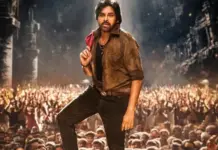


Traditionally, the summer season has been a golden window for the Telugu film industry—a time when children are on holiday, families seek entertainment, and theatres bustle with activity. However, the summer of 2025 paints a starkly different picture. As we near the end of May, not a single film has emerged as a clear winner at the box office. The excitement that once drew audiences to theatres is waning, and this trend reflects a deeper, structural concern for the industry.
Despite the existence of a strong cinema-going culture in the Telugu states, the evolving tastes of the audience and the emergence of a new generation of viewers have challenged the relevance of the traditional theatre experience. The once-reliable pattern of summer hits has been disrupted, and this season’s dry spell only underscores the changing dynamics.
One of the major reasons for this downturn is the conspicuous absence of big stars. Save for Pawan Kalyan, who is set to appear in Hari Hara Veera Mallu next month, and Nagarjuna’s Kubera at the end of June, the current box office lineup lacks the star power that historically drives theatre footfalls. When marquee actors appear regularly on the big screen, they not only draw massive crowds but also sustain the habit of theatre-going. In their absence, audiences are increasingly turning to digital platforms or opting out altogether, especially when the offering includes lesser-known faces or lower-budget films.
While some in the industry attribute the slump to the Indian Premier League (IPL), the actual impact appears minimal. The performance of the home team, Sun Risers Hyderabad, has been underwhelming, and even fan-favorite teams like CSK failed to generate consistent interest this season. In reality, the lack of audience engagement with theatres cannot be pinned solely on cricket.
Several more pressing factors are at play—skyrocketing ticket prices, expensive food and beverages at multiplexes, and the narrow four-week theatrical-to-OTT window are all contributing to the decline in footfalls. In many cases, audiences are simply choosing to wait for digital releases rather than invest time and money into a theatre visit.
The upcoming release Bhairavam may close out May, but it lacks unanimous positive buzz, making it unlikely to reverse the current trend. Unless the industry takes proactive steps—such as recalibrating ticket and concession pricing, creating more favorable OTT agreements, and encouraging consistent output from top stars—the decline could become irreversible.
The Telugu film industry must confront these challenges head-on. Only through strategic reform and an honest reassessment of current practices can it hope to rekindle the public’s enthusiasm for the big screen.
Recent Random Post:
రేపల్లె లో వైసీపీ తలరాతను కొత్త ఇంఛార్జ్ మారుస్తారా..? | YSRCP Changes Strategy in Repalle
రేపల్లె లో వైసీపీ తలరాతను కొత్త ఇంఛార్జ్ మారుస్తారా..? | YSRCP Changes Strategy in Repalle