





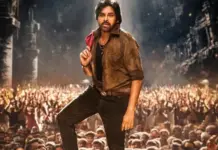




Veteran producer and Chairman of the Telangana State Film Development Corporation, Dil Raju, is preparing to host a key meeting on May 18 with Telugu film producers and exhibitors from both Telangana and Andhra Pradesh. The session is expected to be crucial in resolving a growing dispute that now threatens the future of over 1,500 single-screen theatres across the Telugu-speaking states. The timing is particularly sensitive, as several big-budget films including Hari Hara Veera Mallu, Kingdom, Vishwambhara, Kuberaa, Mass Jathara, and Kannappa are scheduled for release in June and July. If exhibitors follow through on their proposed shutdown starting June 1, it could severely impact the business prospects of these major films.
The core issue revolves around the ongoing demand from exhibitors to move away from the traditional rental model to a more equitable revenue-sharing system, similar to what is already in place in multiplexes. According to exhibitors, the current system is heavily skewed in favor of distributors and producers. They point out that even if a film earns ₹40 lakh in a week, theatre owners get only around ₹1 lakh as rent, while the rest goes to the distributor. On the other hand, when the film underperforms and earns ₹80,000 or less, producers demand a 50-50 revenue split, pushing theatres further into losses.
Financial pressure has been mounting on single-screen theatres, with rising operational costs and declining audience turnout. Many theatres have already scaled back operations, reducing their weekly shows from 24 to just 12 or 14, while some have completely shut down. In districts like East Godavari, exhibitors have issued a clear ultimatum that unless a revenue-sharing model is introduced, they will close down theatres starting June 1. Reports suggest that exhibitors in Krishna and Guntur districts may follow suit.
Several exhibitors argue that the current model is no longer viable. They claim that while producers and distributors earn profits, theatre owners are left to bear the losses. Veteran exhibitor Madala Ramakrishna emphasized that the demand is not unreasonable, as multiplexes already follow a 50-50 revenue-sharing model. With over 1,300 single screens still operational in the Telugu states, their survival is essential for the overall health of the industry.
This issue isn’t new. In May last year, nearly 400 theatres in Telangana shut down for 10 days due to mounting losses. Exhibitors pointed out that it costs between ₹12,000 and ₹18,000 per day to run four shows, but they often make only ₹3,000 to ₹4,000—still having to pay distributors from that. The losses are constant whether theatres stay open or closed.
With tensions at an all-time high, the spotlight is now on Dil Raju and the decisions that emerge from the May 18 meeting. The outcome may not only determine the survival of many theatres but could also shape the future of Telugu cinema in the coming years.
Recent Random Post:
Gajuwaka Crime : ప్రియురాలిని చం*పి, ముక్కలుగా న*రికి ఫ్రిజ్లో దాచిన నేవీ ఉద్యోగి
Gajuwaka Crime : ప్రియురాలిని చం*పి, ముక్కలుగా న*రికి ఫ్రిజ్లో దాచిన నేవీ ఉద్యోగి