







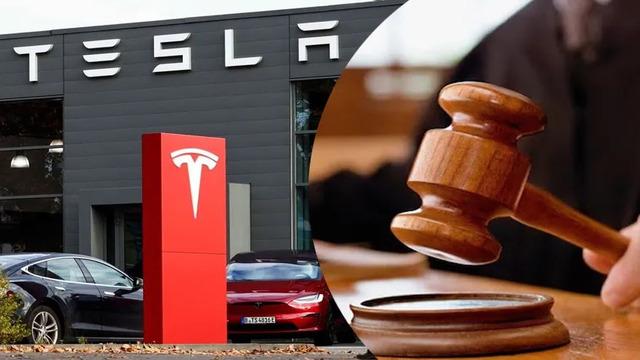
In a landmark verdict, a federal jury in Miami has ordered Tesla to pay $243 million (approximately ₹1,996 crore) in damages over a 2019 crash involving its Autopilot system that resulted in one fatality and left another victim critically injured.
The incident occurred on April 25, 2019, in Key Largo, Florida, when a Tesla Model S, operating on Autopilot and driven by George McGee, collided with a parked Chevrolet Tahoe. The vehicle failed to stop at a flashing red light and a stop sign, striking 22-year-old Naibel Benavides Leon and her boyfriend, Dillon Angulo, who were stargazing nearby. Benavides was killed instantly, while Angulo suffered multiple fractures and a traumatic brain injury.
Despite McGee admitting he was distracted and searching for a dropped phone at the time of the crash, the jury found Tesla 33% liable, citing that its Autopilot system was not designed for rural intersections and was being misused outside of its intended highway setting. The total award amounted to $329 million, including $43 million in compensatory damages and $200 million in punitive damages aimed at deterring similar future incidents.
Tesla has announced plans to appeal the decision, arguing that driver negligence was solely to blame. The company also defended its technology, warning that the verdict could hinder innovation in vehicle safety systems.
The case drew attention to broader issues surrounding Tesla’s marketing practices and data transparency. Plaintiffs alleged that Tesla misrepresented the capabilities of Autopilot and Full Self-Driving features, and initially withheld key crash data that later proved critical to the case.
The ruling comes at a pivotal time for Tesla, as regulatory scrutiny intensifies around its driver-assistance systems. The National Highway Traffic Safety Administration has linked Tesla’s Autopilot to hundreds of crashes, and regulators in California have already denied permits for Tesla’s autonomous taxi services.
With Elon Musk’s robotaxi ambitions facing growing challenges, this verdict could mark a turning point for legal accountability in the autonomous driving industry.
Recent Random Post: