





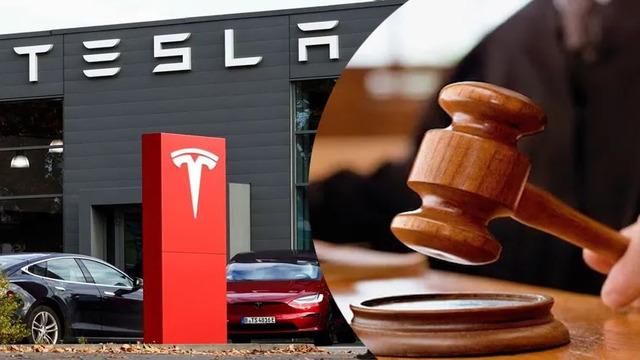
In a major setback for electric vehicle giant Tesla, a federal jury in Miami has ordered the company to pay $243 million (around ₹1,996 crore) in damages following a 2019 crash in Florida that killed 22-year-old Naibel Benavides Leon and left her boyfriend, Dillon Angulo, with life-altering injuries.
The accident took place on April 25, 2019, in Key Largo. A Tesla Model S, driven by George McGee on Autopilot, plowed into a parked Chevrolet Tahoe at a rural intersection. The Tesla, traveling at 62 mph, failed to stop at a flashing red light and a stop sign. Benavides and Angulo, who were stargazing beside their SUV, were hit by the vehicle. Naibel was thrown 75 feet into nearby woods and died on the spot, while Dillon sustained multiple fractures and a traumatic brain injury.
Dashcam footage revealed that the Tesla’s Autopilot system failed to detect the stationary vehicle or apply the brakes. McGee admitted in court that he had been distracted at the time, looking for a dropped phone.
Despite the driver’s admitted negligence, the jury ruled that Tesla was 33% liable, determining that Autopilot was being used outside of its intended environment and was not designed to handle rural intersections. The jury awarded a total of $329 million in damages, with Tesla responsible for $43 million in compensatory damages and $200 million in punitive damages.
Tesla has announced plans to appeal, claiming the trial involved “a substantial error of law.” The company argued that the verdict discourages innovation in driver-assistance technologies and maintained that driver distraction alone caused the crash.
The trial also brought Tesla’s data practices and marketing under the microscope. The plaintiffs accused Tesla of concealing or misplacing critical crash data, including vehicle logs and video footage from before the impact. Although a forensic expert eventually recovered the data, Tesla admitted that it had been unaware of its location. This raised concerns about the company’s transparency, with critics alleging a pattern of withholding crash data—an allegation Tesla denies.
Plaintiffs further argued that Tesla’s branding of “Autopilot” and “Full Self-Driving” misleads consumers and encourages overreliance. They cited a 2016 Elon Musk statement that Autopilot could detect “anything, including an alien spaceship,” as well as a promotional video that overstated the system’s autonomous capabilities.
The verdict comes at a crucial moment for Tesla, as Elon Musk’s long-promised robotaxi initiative began operating in Austin in July 2025. Regulatory bodies, including the National Highway Traffic Safety Administration (NHTSA), are already investigating the safety of Autopilot and Full Self-Driving systems. NHTSA has linked Autopilot to 467 crashes, including 13 fatalities.
This ruling could mark a turning point for legal accountability in autonomous driving, forcing Tesla to confront growing scrutiny over both its technology and its marketing practices.
Recent Random Post: