





Traffic inspector misbehave with couple in Hyderabad
Recent Random Post:
Kerala Model vs Tollywood: Time for a Work Culture Shift?
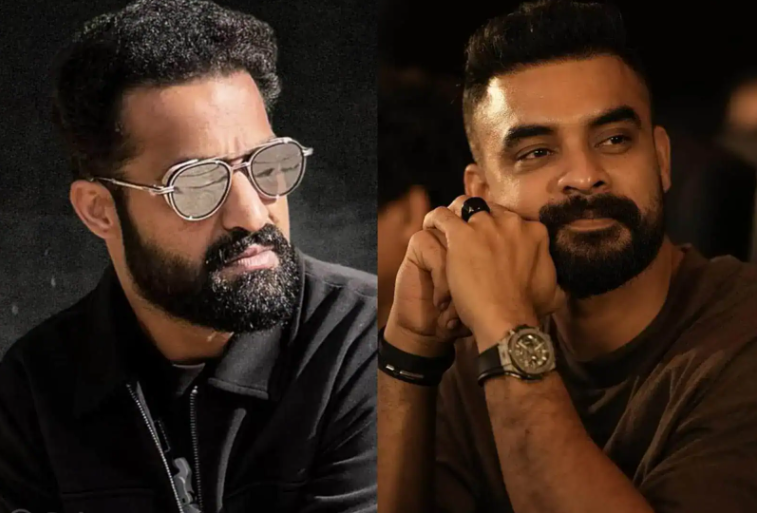
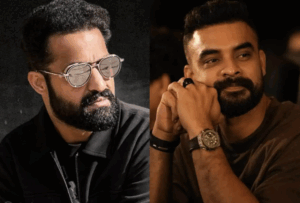
Malayalam actor Tovino Thomas recently revealed that he opted out of Dragon, starring N. T. Rama Rao Jr., due to date constraints — and his reasoning has sparked a broader discussion about filmmaking work cultures.
Tovino explained that the Malayalam film industry follows a very different model. Films are usually shot in a single stretch, allowing actors to complete multiple projects in a year. “We finish a film at a stretch. Doing Dragon would have affected 4–5 other films,” he said, highlighting how tightly packed schedules are managed in Kerala.
This brings up an important debate: which work culture is more sustainable? The Malayalam industry operates on relatively smaller budgets, making it essential to complete shoots quickly and release films without long delays. This helps producers avoid mounting interest costs and scheduling conflicts.
In contrast, Telugu cinema functions on a more complex scheduling system. Apart from the lead actor and director, most technicians and artists juggle multiple projects simultaneously. This makes single-schedule shoots difficult to execute, especially for big films.
However, given the current challenges faced by medium-budget films — including weak theatrical performance and declining non-theatrical revenues — there is a growing argument for adopting a more efficient approach. Completing films in fewer working days and ensuring quicker releases could significantly reduce financial pressure on producers.
There are already signs of change. Actor Ram Pothineni planning multiple projects simultaneously is seen as a positive step toward better time management and productivity.
At the same time, concerns are rising about the slow pace of big stars. Apart from Prabhas, very few are delivering even one film per year. The increasing focus on pan-India projects has led to bigger budgets, but success in other markets—especially Hindi—is far from guaranteed.
Recent examples underline this concern. Chiranjeevi’s Vishwambhara and Prabhas’ Fauji are reportedly facing challenges in securing strong non-theatrical deals. Similarly, The Raja Saab did not generate expected returns or perform significantly in the Hindi market, proving that scale alone doesn’t ensure success.
Industry observers now suggest that stars should aim for at least two films in three years to maintain audience engagement and theatre-going habits. Moreover, pan-India content doesn’t always need to be mounted on massive budgets — strong storytelling can travel just as far.
If reducing remuneration isn’t feasible, actors could consider profit-sharing models by partnering in production. With the next couple of years expected to be challenging, a more cautious and efficient approach is essential.
In this context, taking inspiration from the Kerala filmmaking model may not just be practical — it could be necessary for the industry’s sustainability.