









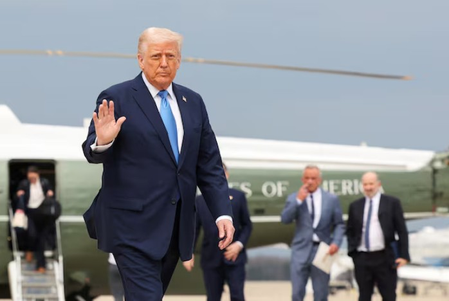
Washington, March 29 (IANS) – US President Donald Trump has expressed a willingness to negotiate tariff deals with other nations, but only after implementing new import taxes set to take effect on April 2.
“It’s possible if we get something in return for the deal. But for over 40 years, we’ve been taken advantage of, and that won’t continue. That said, I’m certainly open to discussions,” Trump told reporters aboard Air Force One on Friday while traveling to Florida. When asked whether negotiations with countries like the UK—which has signaled interest in lowering tariffs on US goods—could take place before the tariffs are announced, Trump responded, “No. Probably later.”
Trump also reiterated plans to introduce tariffs on pharmaceutical imports, though he did not specify the rates. However, he emphasized that the measures would be significant enough to encourage pharmaceutical companies to manufacture more products within the US. “We never want to rely on other countries the way we did during COVID,” he added.
Following a phone conversation with Canadian Prime Minister Mark Carney, Trump downplayed any tensions, stating, “I’ve always loved Canada, and we had a very good conversation.”
Several nations, including Britain, have reportedly reached out to Washington to negotiate exemptions and avoid reciprocal tariffs. Meanwhile, the European Union (EU) has begun outlining possible concessions to mitigate the impact of escalating US tariffs, which are set to rise after April 2.
According to Bloomberg, during recent meetings in Washington, EU officials were informed that the new tariffs—particularly on automobiles—would proceed as planned. However, preliminary discussions have begun on structuring a potential deal to reduce these tariffs.
In response, the European Commission, which oversees the EU’s trade policies, is drafting a “term sheet” detailing potential negotiation points. This framework is expected to include provisions for lowering EU tariffs, increasing mutual investments with the US, and easing certain trade regulations and standards, according to sources familiar with the matter.
Trump’s administration argues that the reciprocal tariffs aim to counter unfair trade practices, including non-tariff barriers such as domestic regulations, tax policies, and digital taxes—particularly the EU’s value-added tax (VAT) system. However, EU officials contend that VAT is a fair, non-discriminatory tax applied equally to both domestic and imported goods.
As tensions rise, all eyes remain on whether diplomatic efforts will lead to any tariff reductions or trade adjustments in the coming weeks.
Recent Random Post: