









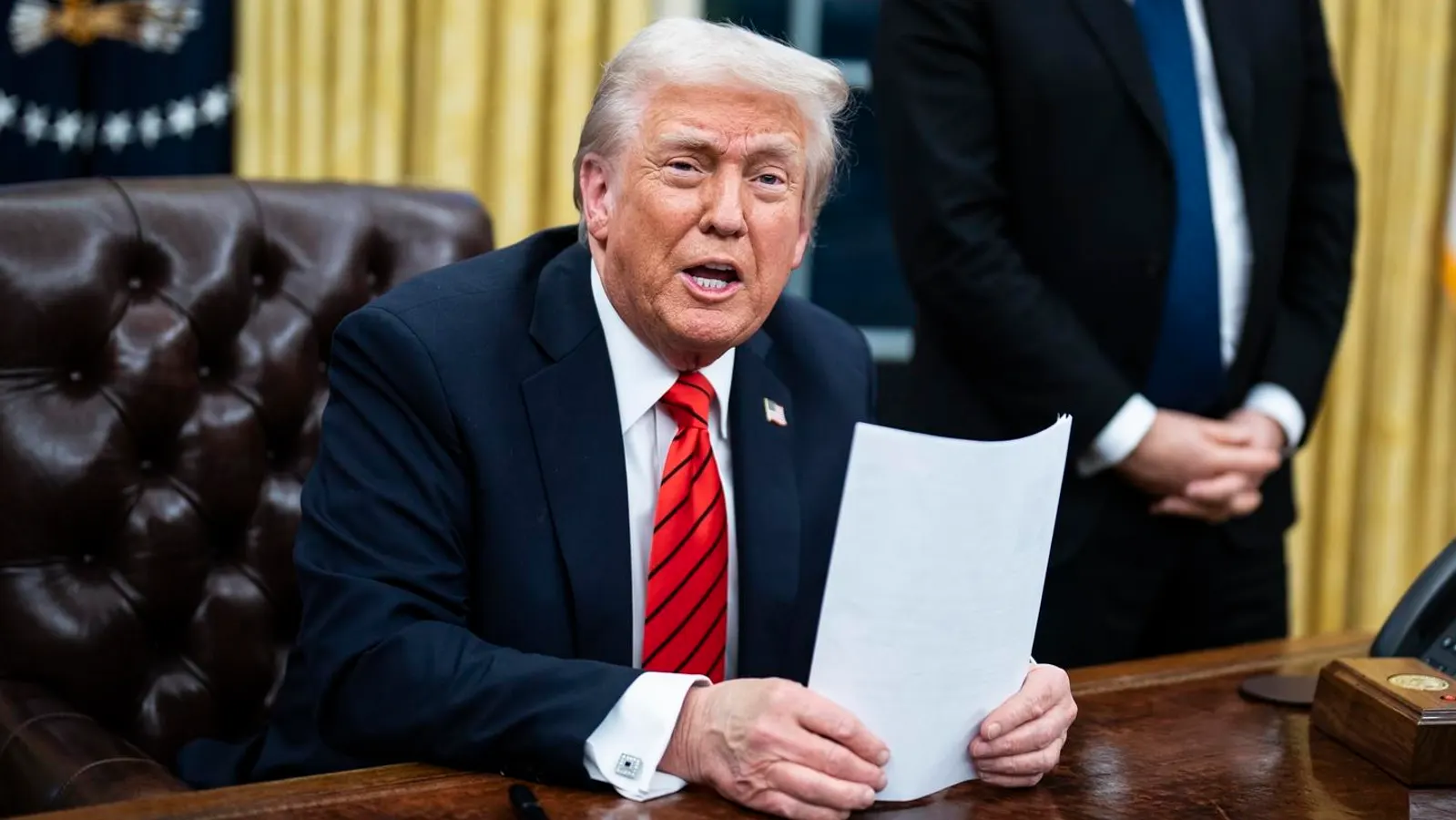
US President Donald Trump is set to announce tariffs on imported cars on April 2, which could significantly impact the South Korean automotive industry. Trump, who has utilized tariffs as a central strategy to reduce the US trade deficit and bolster domestic manufacturing, plans to unveil these auto tariffs amid concerns that South Korea’s trade surplus with the US, which reached $55.7 billion last year, could bring the country into the administration’s focus.
The US is South Korea’s primary auto export market, with nearly half of its car exports, worth $34.7 billion, heading to the US. Despite this, no tariffs have been imposed on South Korean cars since 2016, following a bilateral free trade agreement.
The announcement of these tariffs aligns with Trump’s broader push for “reciprocal” tariffs, seeking to match the tariffs other countries impose on US goods. This comes on the heels of Trump’s earlier decision to implement 25 percent tariffs on steel and aluminum imports, set to take effect on March 12.
South Korean officials are closely monitoring these developments, particularly as the political landscape in Seoul has been marked by uncertainty, following the impeachment of President Yoon Suk Yeol. South Korean Foreign Minister Cho Tae-yul is scheduled to discuss the tariffs with US Secretary of State Marco Rubio at an international security forum in Munich this weekend.
Trump’s administration has already implemented a 10 percent tariff on Chinese goods and has temporarily paused the 25 percent tariff on goods from Canada and Mexico, contingent on efforts to combat drug trafficking at their borders with the US.
Recent Random Post: