









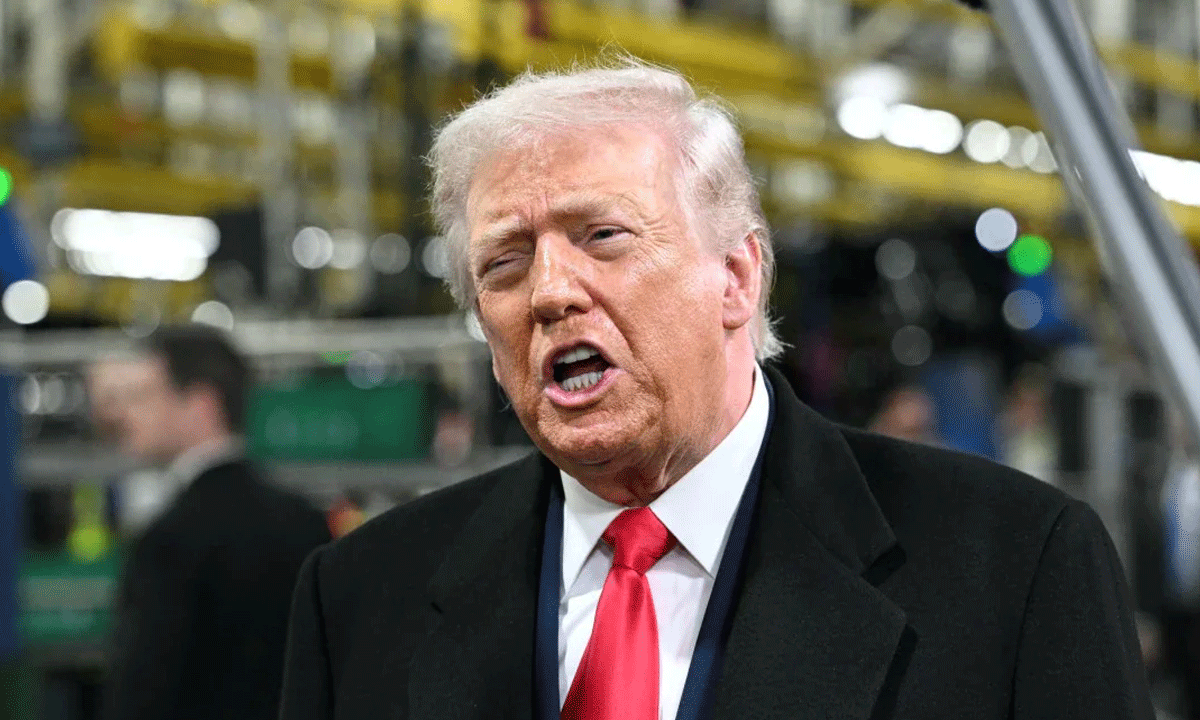
President Donald Trump has proposed a plan to cap credit card interest rates at 10 percent for one year. While the idea appears simple on the surface, it has triggered significant tension between consumers, banks, and Wall Street.
To understand the impact, it’s important to look at how the credit card business works. Banks issue credit cards that allow consumers to spend money even when they don’t have sufficient funds. If customers fail to pay their full balance on time, banks charge high interest rates—often between 20 and 30 percent. This interest income forms one of the biggest profit engines for banks and financial institutions.
Investors favor credit card companies because this model generates steady revenue, even during economic slowdowns. Popular rewards such as cashback offers, airline miles, and discounts are largely funded by these high interest earnings.
Trump’s proposal is being welcomed by consumer advocates, as it could significantly ease the burden on people struggling with mounting debt. Lower interest rates would mean smaller monthly payments and could save families thousands of dollars annually.
However, banks and Wall Street are deeply concerned. A sharp reduction in interest income could force banks to tighten lending standards, reduce credit limits, or scale back reward programs. Riskier customers may find it harder to access credit, which could ultimately slow consumer spending and impact economic growth. Even at reduced rates, the loss in profitability could lead to financial strain for banks and investors.
The core conflict lies between consumers seeking relief from high-interest debt and financial institutions trying to protect one of their most reliable sources of profit. If Wall Street reacts negatively, the ripple effects could extend to stock markets as well.
Recent Random Post: