








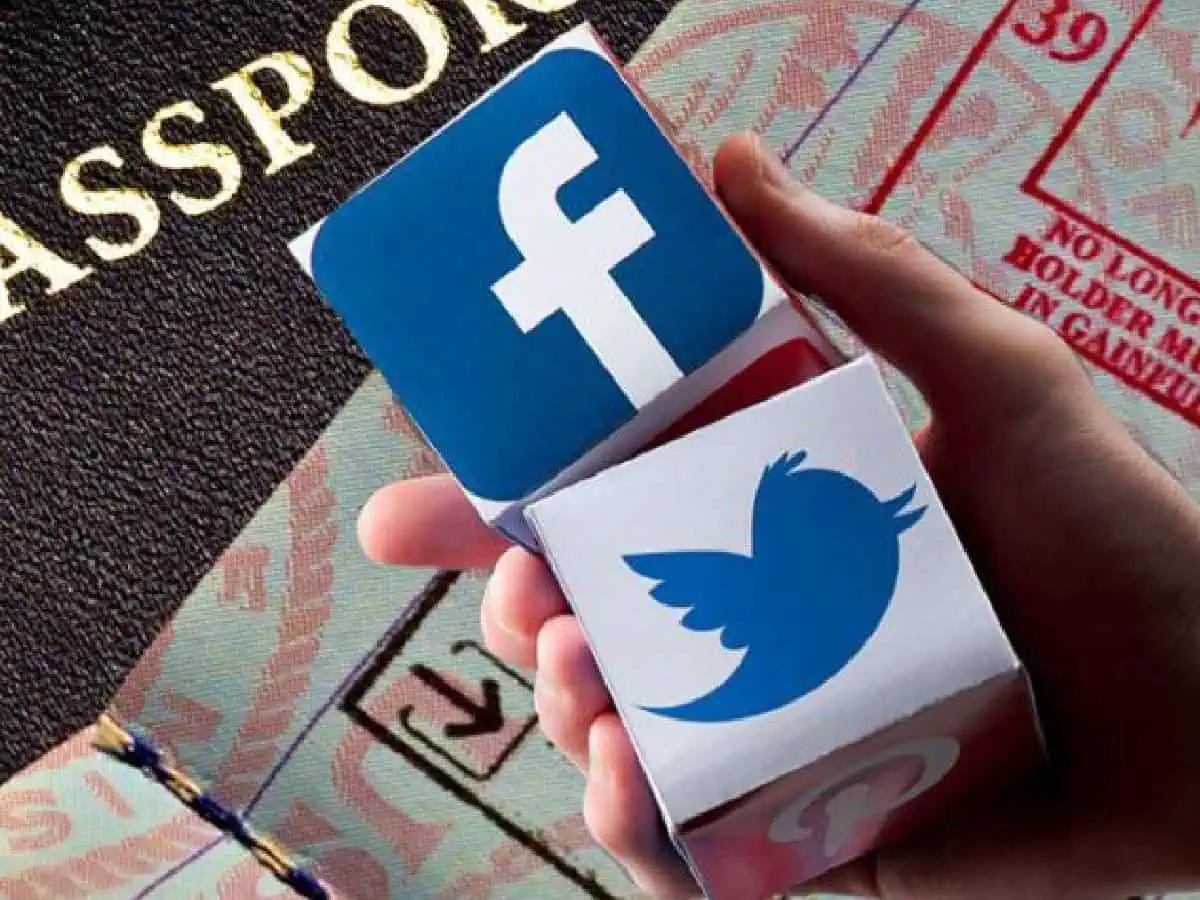
The United States has introduced a more rigorous vetting process for foreign nationals seeking to visit prestigious academic institutions, with Harvard University receiving specific attention. In a directive issued by Secretary of State Marco Rubio, U.S. consular officers worldwide have been instructed to intensify scrutiny of social media profiles for all foreign nationals applying for visas to visit Harvard. This includes prospective and current students, faculty, staff, contractors, guest speakers, and tourists.
According to the directive—circulated via a diplomatic cable—applicants without a discernible online presence are to be denied visas. Additionally, applicants may be required to make their social media accounts public to facilitate content review. The guidance also temporarily halts interviews for student visa applicants deemed potential security risks.
This move is seen as part of the broader immigration stance of the Trump administration, which had previously attempted to bar Harvard from accepting international students—a measure currently on hold following a court decision.
These developments are expected to impact elite universities across the country, where international engagement is significant. In the 2023–2024 academic year, more than 1.1 million foreign students studied in the U.S., with India and China accounting for the largest share. International students represent approximately 5.9% of the total U.S. higher education enrollment of 19 million.
The new vetting policy underscores a shift toward heightened national security measures, potentially reshaping the landscape of international academic exchange in the United States.
Recent Random Post: