









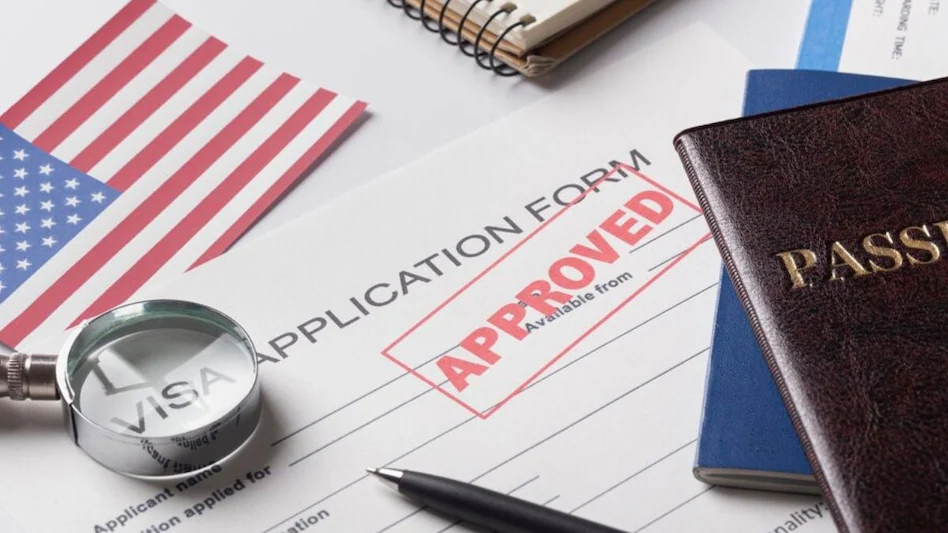
For many international travelers, entering the United States without a visa may seem unlikely. Yet, millions do so each year under the Visa Waiver Program (VWP) — a system that facilitates short-term visits while maintaining stringent security protocols.
What is the Visa Waiver Program?
The VWP is a bilateral arrangement between the United States and selected partner nations, allowing citizens to visit the U.S. for up to 90 days without obtaining a traditional visa. Eligible purposes include tourism, business, and transit.
To qualify, travelers must:
Hold a valid electronic passport from a participating country.
Obtain Electronic System for Travel Authorization (ESTA) approval prior to travel.
Comply with strict eligibility criteria, including refraining from work or study during their stay, avoiding recent travel to restricted countries, and not holding dual nationality with such nations.
While ESTA is not a visa, it is mandatory — airlines will deny boarding to passengers without prior authorization.
Key Changes to the VWP in 2025
The U.S. government conducts an annual review of VWP member nations to ensure compliance with security and immigration standards. For 2025, the following updates were announced:
Qatar added – Citizens can now travel visa-free to the United States.
Romania removed – Excluded after review despite earlier consideration for inclusion.
Bulgaria dropped – No longer part of the program.
With these adjustments, the VWP now includes 43 participating countries, predominantly located in Europe, the Asia-Pacific region, and South America. Notable members include the United Kingdom, Japan, Germany, South Korea, Australia, Chile, and now Qatar.
How the Program Works
Travelers entering under the VWP must:
Hold an electronic passport issued by a member country.
Apply for and receive ESTA approval before departure.
Limit their stay to tourism, business, or transit purposes only.
Why the VWP Matters
The Visa Waiver Program remains a cornerstone of U.S. travel policy, offering streamlined entry for millions of international visitors while upholding rigorous security and immigration controls. Its dynamic review process ensures the program continues to reflect evolving global conditions.
Recent Random Post: