


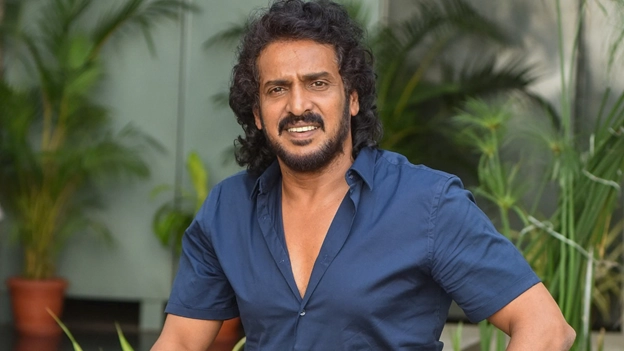
Upendra speaks with rare honesty about fame, films, politics, and the kind of life he truly wants to live. He recalls the phase after the release of Om, when he suddenly shot to massive fame. At first, all the attention felt uncomfortable—he was someone who preferred walking freely among people, quietly observing life without being noticed. Over time, he slowly began to appreciate the affection and respect he received. For him, fame mattered only because he believed it could become a tool to bring social change.
As years passed, his worldview evolved. In his youth, he felt he was right and society was wrong. Later, he thought he himself had problems while others were right. Now, he believes everything and everyone is “right” in their own way — a perspective shaped by maturity and experience.
When it comes to cinema, Upendra observes that audiences love heroes who fix every problem because deep down, people want someone to come and solve their own life issues. But he wants to challenge that mindset. He wants his films to send a message: every individual has the same power as the on-screen hero. Changing such deeply rooted expectations takes time, especially when commercial formulas are so familiar and comforting to audiences.
Upendra’s political ideas are equally bold. He believes the current system trains people to wait for a leader who will solve everything. Instead, he argues that the system itself must change. People need to participate directly. If a village needs something, the villagers should decide collectively and hold the worker accountable — not wait for a leader to appear. He also connects this passiveness to an education system that encourages memorization over critical thinking.
He says UI reflects many of these ideas. Upendra consistently tells his fans not to follow him blindly but to think independently. He believes every person must decide how much is “enough” for themselves and focus on what they can contribute back to society.
Recent Random Post:
What Really Happened to Anushka on Baahubali Sets? 😱 | Revealed by Adivi Sesh | Chat Show with Suma
What Really Happened to Anushka on Baahubali Sets? 😱 | Revealed by Adivi Sesh | Chat Show with Suma