







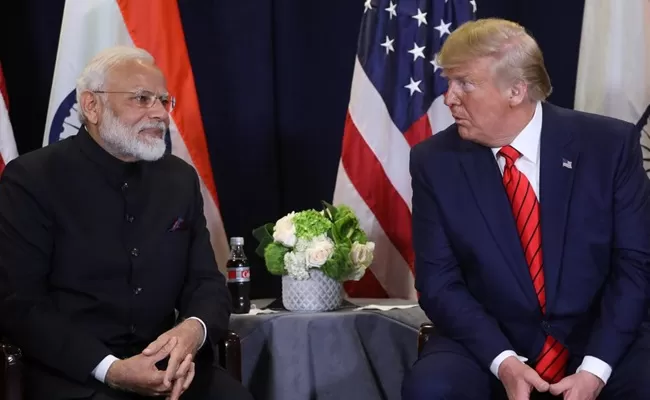
More than six months have passed since tariffs imposed by the United States began impacting Indian exports, and the damage is now impossible to ignore. Indian exporters are struggling to retain their footing in the US market as higher duties eat into margins and steadily erode competitiveness.
For many small and medium exporters, these tariffs are not a minor hurdle but a direct threat to survival. Reduced orders, shrinking profits, and uncertainty about the future have become the new normal.
The burden is not limited to businesses in India. Indians living in the United States are also feeling the impact. Everyday Indian products—food items, household essentials, and cultural goods—have become significantly more expensive. What was once affordable and easily accessible now feels like a luxury, distancing the diaspora from products tied to their culture and daily lives.
Concerns are deepening further with reports that the US is considering a double tax on rice. Rice is one of India’s most critical exports and a vital source of income for millions of farmers. Any additional levy would severely worsen distress across agriculture and allied export sectors. Aquaculture, already under strain due to existing tariffs, offers a glimpse of how damaging further trade barriers could be.
Against this backdrop, serious questions arise about the Indian government’s response. What concrete steps is Prime Minister Narendra Modi taking to address these trade challenges with the United States? When will focused and urgent negotiations take place to protect Indian exporters, farmers, and consumers?
A strong foreign policy must first safeguard economic interests and citizen welfare. At a time when unresolved issues with a major power like the US are directly hurting India’s economy, the Prime Minister’s recent visits to countries such as Jordan, Ethiopia, and Oman have attracted criticism. While diplomatic outreach is important, foreign relations must be driven by clear priorities. Engagement should focus on nations where active disputes are causing tangible economic harm to India and its people.
The government frequently highlights strong India–Russia relations as a major diplomatic success. Public displays of friendship between Prime Minister Modi and President Vladimir Putin—widely reported and showcased—are presented as symbols of strategic strength. Yet ordinary citizens are asking what real benefits this closeness delivers.
The government claims India is purchasing Russian oil at discounted rates. If that is true, why have fuel prices in India not declined? The common man sees no relief at petrol stations and struggles to understand how these international partnerships improve daily life.
Foreign policy must deliver practical outcomes. Trade stability, affordable fuel, and economic relief matter far more than symbolic gestures. When exporters suffer, consumers pay more, and promised benefits fail to reach the public, confidence in governance weakens.
If these issues remain unaddressed, the image of the BJP government risks lasting damage. Economic distress leaves a far deeper impression than political messaging. Addressing tariffs, trade negotiations, and the real outcomes of international partnerships is no longer optional—it is essential for protecting India’s economy and maintaining the trust of its people.
Recent Random Post: